The latest wave of West Bank Violence has once again drawn international attention as reports emerge of two young Palestinians being killed near the settlement of Karmei Tzur in the southern West Bank. The incident has added to growing concerns about the deteriorating security situation in the occupied territory, where military operations, clashes, and confrontations have become increasingly frequent in recent months.
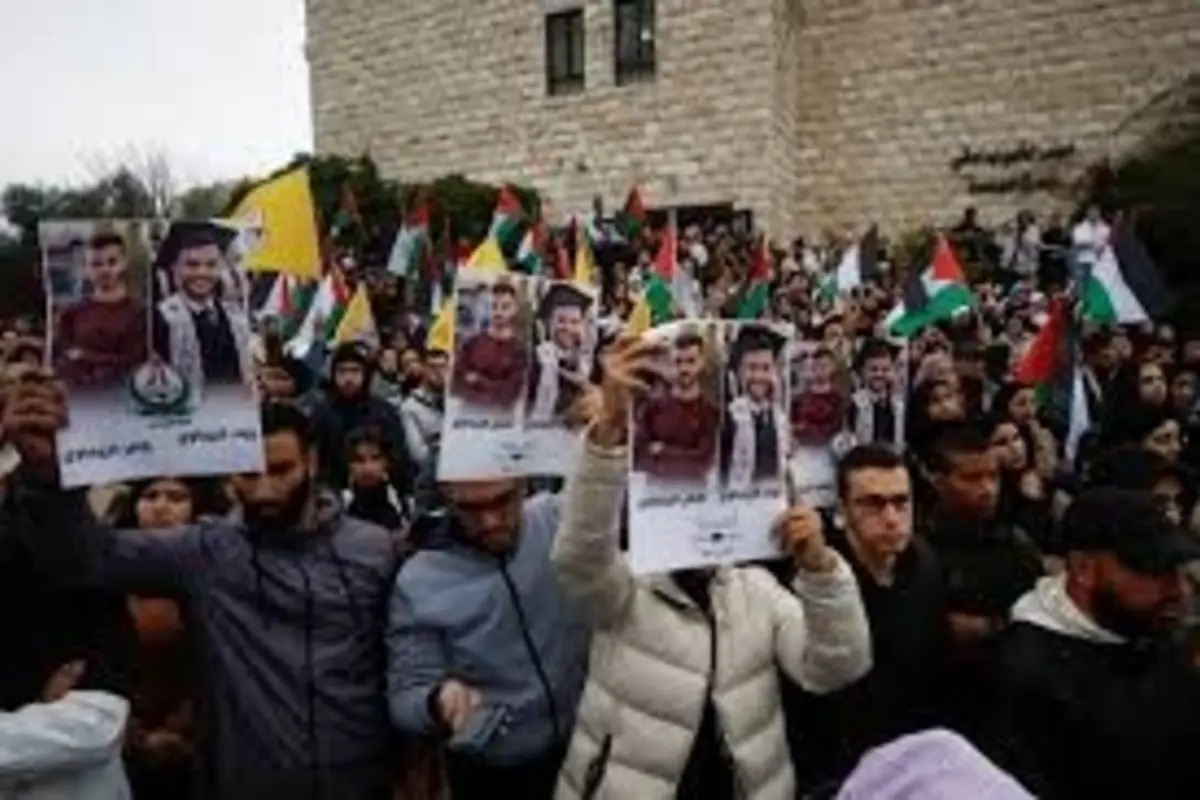
According to Palestinian sources, the victims were identified as 15-year-old Reda Sami Hassan Awad and 19-year-old Issa Arafat Ismail Awad, both residents of Beit Ummar near Hebron. The reported deaths have sparked grief and anger among local communities while also highlighting the broader challenges facing the region.
Details of the Incident
Reports indicate that the shooting occurred during heightened military activity in the area surrounding Karmei Tzur. Palestinian accounts claim that the two young men were shot by Israeli forces and remained wounded at the scene for some time before medical assistance could reach them.
Local sources also alleged that emergency medical teams faced difficulties accessing the area immediately after the incident. These claims have intensified discussions surrounding humanitarian access during periods of conflict and military operations.
Israeli authorities have not publicly released detailed information regarding the specific circumstances of the incident. As a result, differing narratives continue to circulate, reflecting the complexity that often surrounds events linked to West Bank Violence.
Growing Security Concerns
The recent incident is not an isolated event. It comes amid a broader escalation across various parts of the West Bank, where security tensions have remained high for months.
Military raids, arrests, and confrontations between Israeli forces and Palestinians have become increasingly common. In many communities, residents report living under constant uncertainty as security operations continue.
Observers note that West Bank Violence has intensified alongside wider regional instability, contributing to fears that local incidents could trigger larger confrontations if tensions remain unresolved.
The situation has placed significant pressure on both local communities and regional leaders seeking ways to prevent further escalation.
Impact on Local Communities
The human cost of ongoing conflict is deeply felt by families and communities throughout the West Bank. Incidents involving young people often have a particularly strong emotional impact, as they raise concerns about the future generation growing up amid instability.
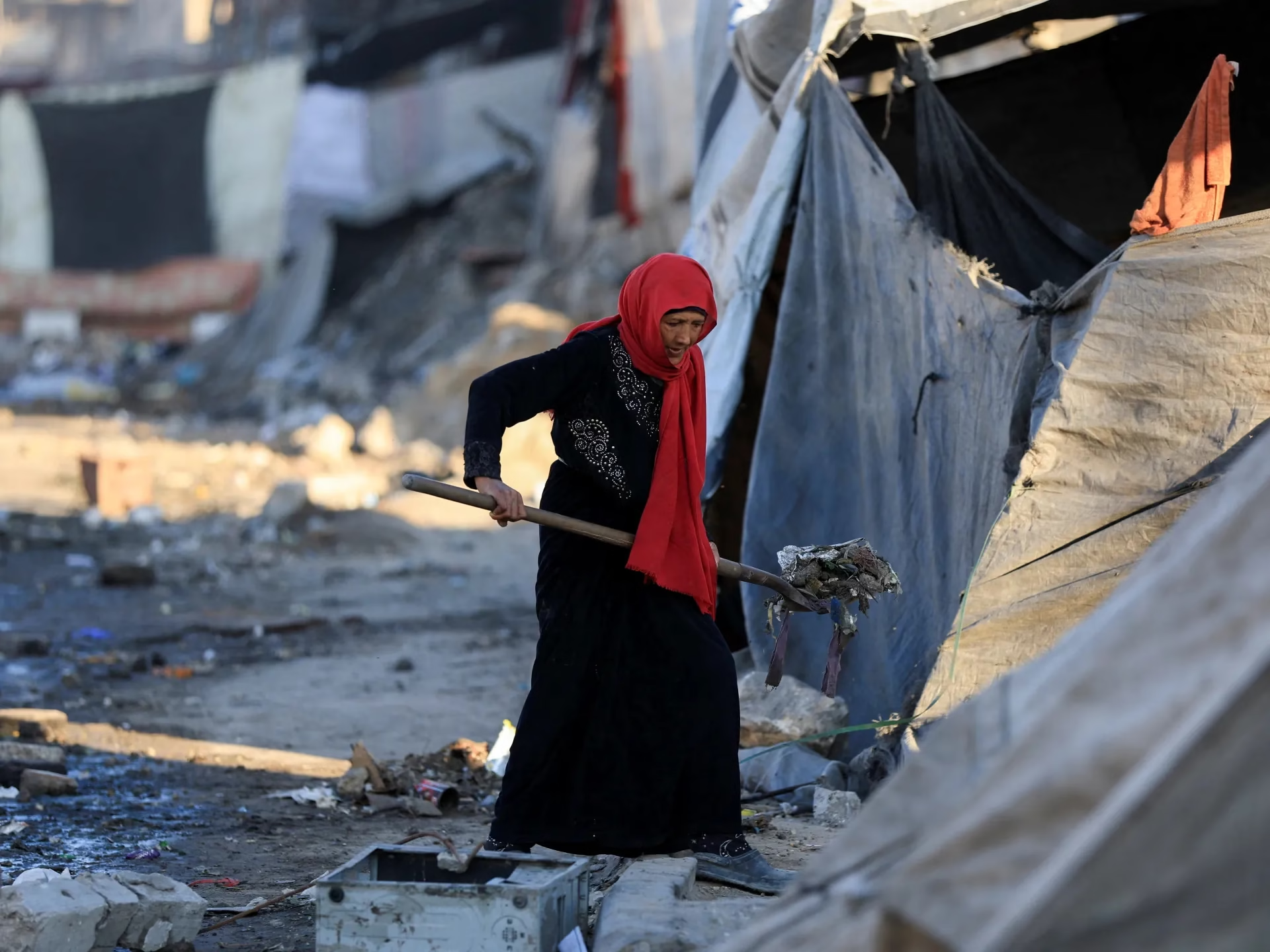
In towns such as Beit Ummar, residents frequently face disruptions caused by military activity, road closures, and security operations. These conditions can affect daily life, education, employment, and access to healthcare.
The latest West Bank Violence incident has renewed discussions about the need to protect civilians and reduce the risks faced by ordinary residents living in conflict-affected areas.
Community leaders have repeatedly called for measures that can help restore stability while preventing additional loss of life.
Separate Incident in Nablus
At the same time, reports from other areas of the West Bank suggest that tensions remain widespread. In the village of Kafr Qallil near Nablus, a Palestinian woman was reportedly injured during an Israeli military raid.
While the circumstances differed from the incident near Karmei Tzur, the event underscores the broader pattern of unrest affecting multiple locations.
The occurrence of several security-related incidents within a short period reinforces concerns about the current trajectory of West Bank Violence and its potential consequences for regional stability.
As military operations continue, local residents remain concerned about the possibility of additional confrontations in the days ahead.
International Attention and Reactions
Events in the West Bank often attract attention from international organizations, human rights groups, and foreign governments. Many observers closely monitor developments due to their potential impact on regional peace efforts.
Calls for restraint are common following incidents involving civilian casualties. International stakeholders frequently emphasize the importance of protecting civilians, respecting humanitarian principles, and pursuing dialogue to reduce tensions.
The latest reports related to West Bank Violence are likely to generate further discussion among diplomatic and humanitarian organizations seeking to encourage de-escalation.
While political solutions remain challenging, many experts argue that sustained diplomatic engagement is essential to prevent conditions from worsening.
The Broader Context
The West Bank has experienced recurring periods of unrest for decades, driven by a combination of political, security, and territorial disputes. These longstanding issues continue to shape daily realities for millions of people living in the region.
Each new incident contributes to an already fragile environment where mistrust and uncertainty remain significant obstacles to peace.
Analysts note that reducing West Bank Violence requires addressing both immediate security concerns and the deeper political issues that have fueled conflict for generations.
Without meaningful progress toward long-term solutions, cycles of confrontation may continue to affect communities on all sides.
The recent deaths near Karmei Tzur serve as another reminder of the fragile situation in the West Bank. Families, community leaders, and international observers are all watching closely to see how events unfold in the coming weeks.
Efforts to reduce tensions, improve communication, and protect civilians will remain critical as regional stakeholders seek ways to prevent further escalation.
The latest reports of West Bank Violence highlight the ongoing challenges facing the region. The deaths of two young Palestinians and the reported injury of a woman in Nablus underscore the human impact of continued unrest.
As tensions remain high, calls for restraint, accountability, and peaceful dialogue are becoming increasingly urgent. While immediate solutions may be difficult to achieve, reducing violence and protecting civilian lives remain essential priorities for ensuring greater stability in the West Bank and the wider region.