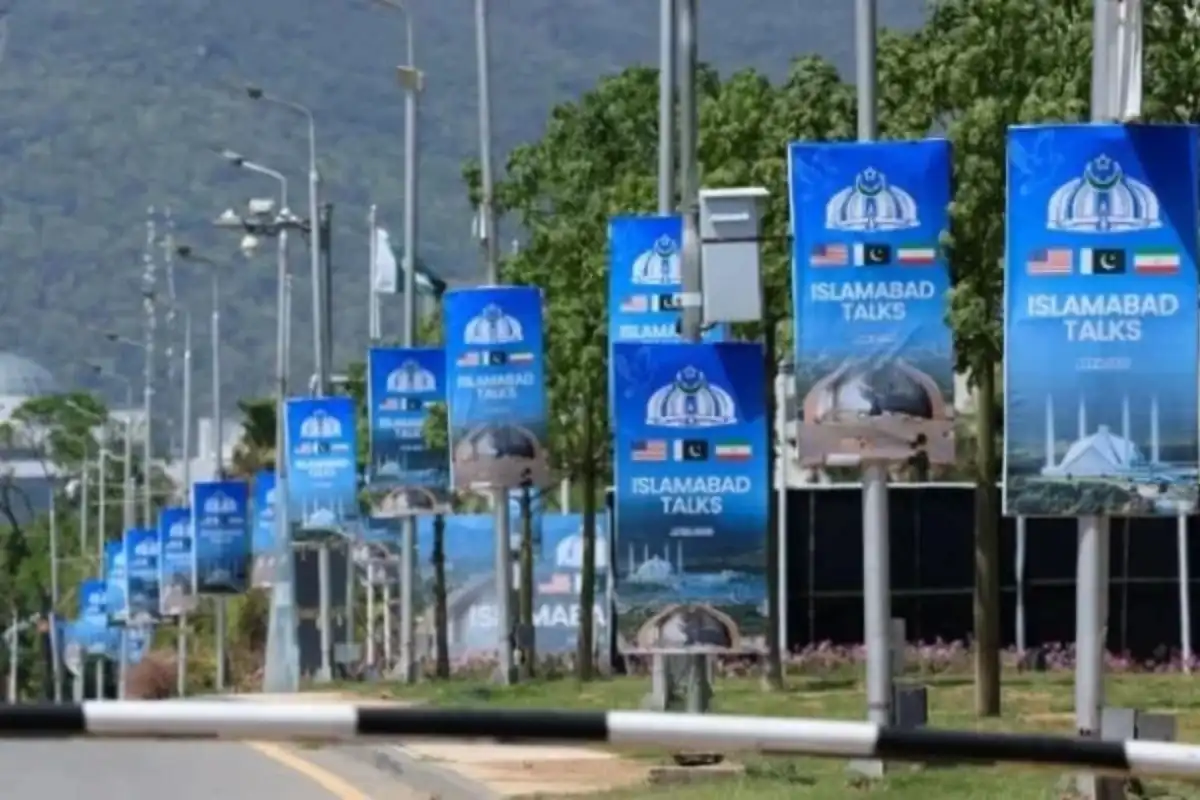
The US-Iran Peace Talks are set to resume in Switzerland as diplomatic efforts continue to strengthen a fragile agreement aimed at reducing tensions in the Middle East. Pakistan has confirmed that technical-level discussions between representatives of the United States and Iran will take place in Bürgenstock, Switzerland, with Pakistan and Qatar serving as mediators. The upcoming meeting is being viewed as an important step toward implementing the understandings reached under the recently signed Islamabad Memorandum of Understanding (MoU).
The renewed dialogue comes at a critical moment when both countries are attempting to move from a temporary understanding toward a more stable framework for peace. While optimism remains, several challenges continue to threaten the progress achieved so far.
Pakistan’s Role in Mediation
Pakistan has emerged as a key diplomatic facilitator in recent months. The country has actively worked to bridge differences between Washington and Tehran, helping both sides reach a preliminary agreement after months of regional tensions.
According to Pakistan’s Foreign Office, representatives from the United States, Iran, Pakistan, and Qatar will participate in the technical discussions. These talks are expected to focus on practical steps for implementing commitments already outlined in the agreement.
The success of the US-Iran Peace Talks has significantly elevated Pakistan’s diplomatic profile on the international stage. Islamabad’s involvement demonstrates its commitment to promoting regional stability and peaceful conflict resolution through dialogue rather than confrontation.
Background of the Islamabad Agreement
The current negotiations are rooted in the Islamabad Memorandum of Understanding signed earlier this month. The agreement was electronically signed by US President Donald Trump and Iranian President Masoud Pezeshkian, marking a significant diplomatic breakthrough after a prolonged period of hostility.
The memorandum reportedly includes provisions related to maritime security, regional stability, and measures designed to prevent further escalation in the Middle East. Pakistan later formalized the arrangement by signing the agreement as a mediator, helping to solidify the diplomatic framework.
While the signing was welcomed by many observers, both sides acknowledged that implementation would require extensive discussions and continuous cooperation.
Iran’s Concerns About Implementation
Despite participating in the upcoming discussions, Iranian officials have expressed concerns about the pace of implementation. Tehran has repeatedly emphasized that commitments made under the agreement must be honored promptly.
Iranian Foreign Ministry representatives have warned that delays could place the entire process at risk. Such statements highlight the fragile nature of the current understanding and underline the importance of the upcoming negotiations.
For Iran, the talks are not simply about diplomatic symbolism. They are focused on ensuring that practical outcomes emerge from the agreement and that commitments translate into measurable actions.
These concerns make the next phase of the US-Iran Peace Talks particularly important.
The United States Signals Continued Engagement
On the American side, officials have expressed confidence that diplomatic engagement remains the best path forward. US Vice President JD Vance is expected to travel to Switzerland to participate in discussions and reinforce Washington’s commitment to the process.
American officials believe the agreement has the potential to reduce tensions across the region and create conditions for broader stability. However, they also recognize that implementation will require careful management and ongoing communication between all parties involved.
The United States has emphasized that maintaining open channels of dialogue is essential for preventing misunderstandings and ensuring that disputes are resolved peacefully.
Strait of Hormuz Remains a Key Issue
One of the most sensitive topics surrounding the negotiations is the future of the Strait of Hormuz. The strategic waterway is vital for global energy supplies, with a significant portion of the world’s oil shipments passing through it every day.
Recent reports suggesting possible restrictions on maritime traffic raised concerns in international markets. Any disruption in the Strait of Hormuz could affect global energy prices and increase economic uncertainty worldwide.
As a result, ensuring freedom of navigation and preventing further tensions in the region is expected to remain a major focus of the talks.
The outcome of the US-Iran Peace Talks could have direct implications not only for regional security but also for the global economy.
Challenges Ahead
Although both sides have agreed to continue discussions, significant obstacles remain. Trust between Washington and Tehran has been limited for decades, and past agreements have often struggled during implementation phases.
Political pressures within both countries could also influence negotiations. Domestic stakeholders may push for tougher positions, making compromise more difficult.
In addition, regional developments and security incidents could quickly alter the diplomatic landscape. Maintaining momentum will require patience, flexibility, and continued support from mediating countries.
A Critical Moment for Regional Stability
The upcoming Switzerland meeting represents more than another diplomatic gathering. It is an opportunity to transform a preliminary agreement into a sustainable framework for peace.
If successful, the US-Iran Peace Talks could help reduce regional tensions, strengthen economic confidence, and create a pathway toward broader cooperation. While challenges remain, continued dialogue offers the best chance of preventing future conflict and promoting long-term stability.
The world will be watching closely as negotiators meet in Switzerland, hoping that diplomacy can succeed where confrontation has repeatedly failed.