The Gilgit-Baltistan Elections continue to influence the region’s political dynamics as several independent candidates have decided to join the Istehkam-e-Pakistan Party (IPP). The move comes shortly after the conclusion of the assembly elections and is expected to impact the balance of power in the newly elected legislature.
Political developments following the polls have attracted significant attention across Pakistan, as parties work to strengthen their positions and build alliances in the Gilgit-Baltistan Assembly. The decision by four independent lawmakers to join IPP reflects the ongoing negotiations and realignments that often occur after elections.
Independent Candidates Join IPP
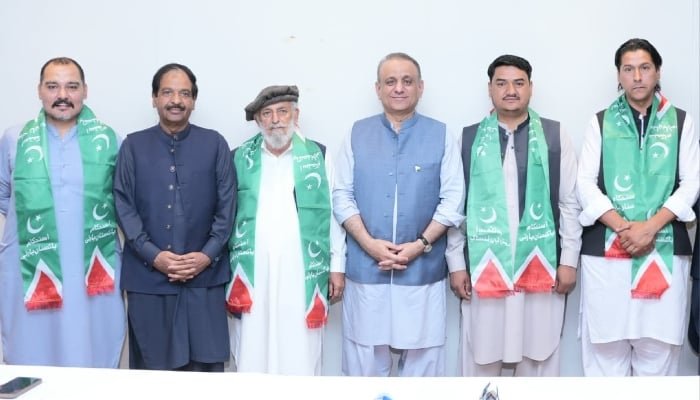
A major development in the aftermath of the Gilgit-Baltistan Elections was the announcement that four independent winners had formally joined the Istehkam-e-Pakistan Party.
The lawmakers include Anwar Ali from Ghanche-2, Asad Shafiq from Ghanche-3, Muhammad Dilpazeer from Diamer-1, and Aman Ali from Ghizer-3.
The announcement was made following a meeting with Federal Minister for Communications and IPP President Abdul Aleem Khan. The joining of these independent members has strengthened the party’s presence in the assembly and given it greater visibility in regional politics.
According to statements made after the meeting, the newly joined members intend to continue discussions with other independent candidates and political groups in an effort to expand their influence within the assembly.
Political Significance of the Move
The recent development has added a new dimension to the Gilgit-Baltistan Elections outcome.
Independent candidates often play an important role in regional assemblies because their support can influence government formation, coalition building, and legislative decision-making.
By joining a political party after winning their seats independently, lawmakers can gain access to broader organizational support, policy platforms, and political resources.
For the IPP, the inclusion of these elected representatives provides an opportunity to establish a stronger political presence in Gilgit-Baltistan and participate more actively in regional governance.
Political analysts note that such alliances are common in parliamentary systems where parties seek to maximize their representation and influence after election results are announced.
PPP Emerges as the Largest Party
While the focus has shifted to post-election developments, the Gilgit-Baltistan Elections were primarily marked by the strong performance of the Pakistan Peoples Party (PPP).
According to unofficial and preliminary results, the PPP secured 10 seats in the 24-member assembly, making it the largest political party in the region.
The party achieved victories in several constituencies across Gilgit-Baltistan, strengthening its position as the leading force in the assembly.
Winning the largest number of seats does not automatically guarantee smooth government formation, but it does provide a significant advantage in coalition negotiations and legislative planning.
The PPP’s performance was viewed as an important achievement and reinforced its political influence in the region.
Support for Government Formation
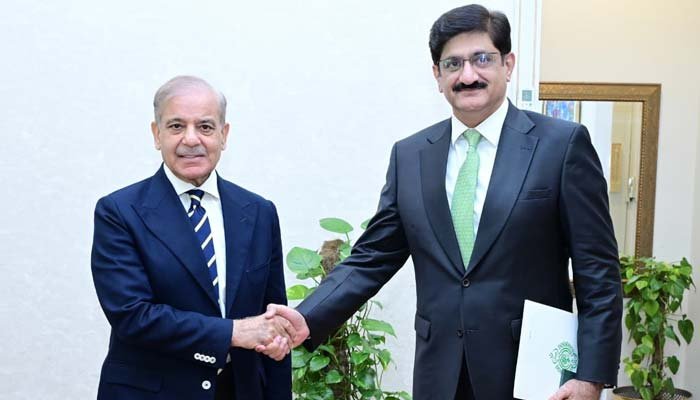
Following the results of the Gilgit-Baltistan Elections, Prime Minister Shehbaz Sharif publicly expressed support for the PPP in forming the next government.
The announcement reflected a broader political understanding between major parties regarding governance in Gilgit-Baltistan.
According to the prime minister, the Pakistan Muslim League-Nawaz (PML-N) would sit on the opposition benches while supporting the PPP during the government formation process.
This decision was presented as a commitment to democratic traditions and political stability.
Observers believe that such cooperation may help ensure a smoother transition of power and reduce political uncertainty in the region.
The Role of Smaller Parties and Independents
One of the most interesting aspects of the Gilgit-Baltistan Elections has been the role played by smaller parties and independent candidates.
Although larger political parties dominate headlines, independent lawmakers often become influential figures when assemblies are closely divided.
Their support can determine the success of coalition agreements, legislative initiatives, and confidence-building measures within the government.
The decision by independent members to join IPP demonstrates how political alignments continue to evolve even after the official election process concludes.
As additional discussions take place among elected representatives, further political developments may emerge in the coming weeks.
Challenges Ahead for the New Assembly
The newly elected assembly faces several important responsibilities following the Gilgit-Baltistan Elections.
Regional development, infrastructure improvements, tourism promotion, education, healthcare, and economic growth remain key priorities for the people of Gilgit-Baltistan.
Citizens expect their elected representatives to focus on addressing local challenges while ensuring that public resources are used effectively.
Political stability will be essential for achieving these goals. Cooperation among different parties and lawmakers can help create an environment where policies and development projects move forward efficiently.
The ability of the assembly to work collectively despite political differences will play a major role in determining its overall success.
Future Political Outlook
The outcome of the Gilgit-Baltistan Elections and the subsequent political alliances suggest that the region is entering a new phase of political activity.
With the PPP leading in seat count, IPP expanding its presence, and independent lawmakers continuing discussions with various parties, the assembly is likely to witness active political engagement in the months ahead.
These developments demonstrate the dynamic nature of democratic politics, where election results are often only the beginning of broader negotiations and strategic decisions.
As government formation progresses and legislative priorities become clearer, citizens will be watching closely to see how elected representatives fulfill their commitments.
The Gilgit-Baltistan Elections have produced a rapidly evolving political landscape marked by party realignments, coalition discussions, and government formation efforts. The decision of four independent lawmakers to join the Istehkam-e-Pakistan Party has added a new element to the assembly’s power structure while highlighting the importance of post-election political strategy.
As Gilgit-Baltistan moves forward, cooperation among political parties and elected representatives will be crucial for addressing regional challenges and delivering meaningful progress for the people. The coming months are expected to shape the future direction of governance and development across the region.