The mysterious Dr. Ali Ehsanian Death has drawn significant attention in Iran and beyond, sparking questions about the circumstances surrounding the passing of a respected artificial intelligence researcher. Nearly six weeks after his death in Nice, France, Dr. Ehsanian’s body was returned to Iran, where thousands of people paid tribute to his life and achievements during funeral ceremonies held in multiple cities.
While investigations into the incident continue, the case has become a major topic of discussion among academics, policymakers, and international observers due to Dr. Ehsanian’s professional background and contributions to science and technology.
Who Was Dr. Ali Ehsanian?
Understanding the significance of the Dr. Ali Ehsanian Death requires an appreciation of his accomplishments and career.
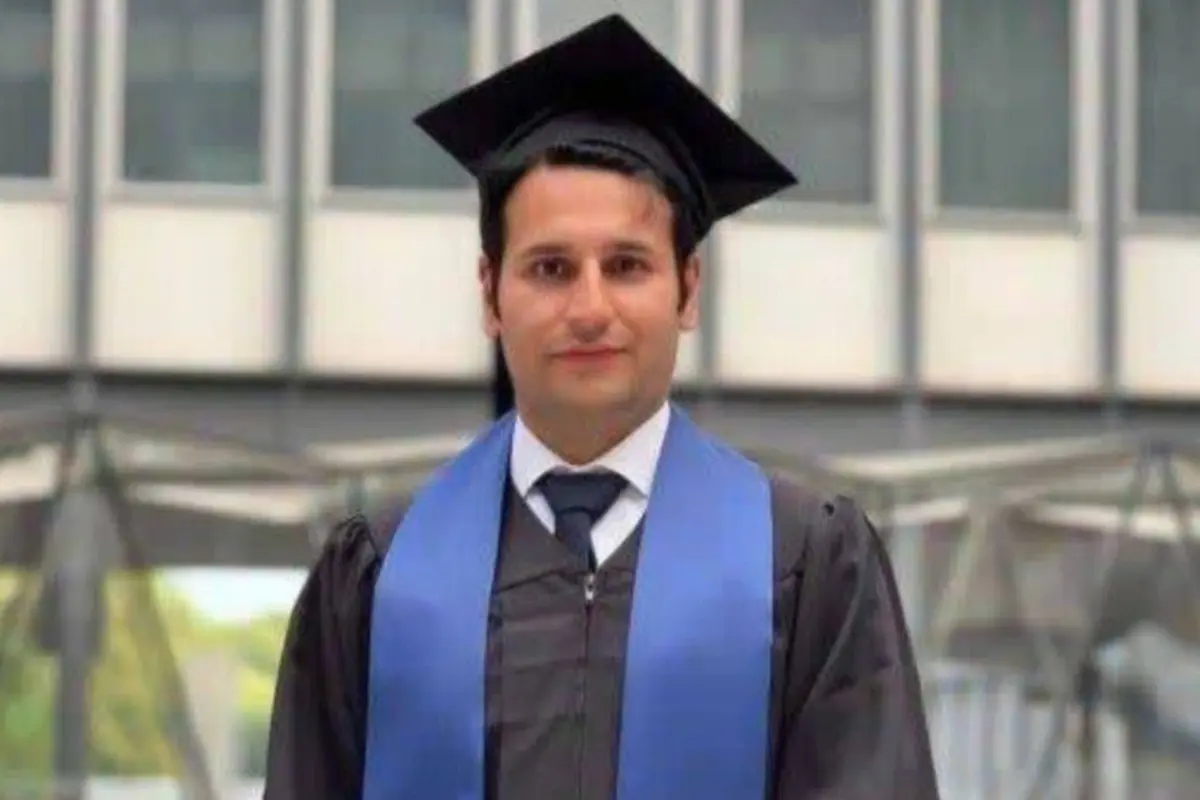
Dr. Ehsanian was recognized as one of Iran’s promising researchers in the field of artificial intelligence and electrical engineering. He earned his PhD from the prestigious Sorbonne University in Paris and gained international recognition for his academic work.
His achievements included receiving a Marie Skłodowska-Curie Actions grant from the European Union, one of the most respected research funding programs in the world. The award highlighted the quality of his scientific contributions and his potential to make meaningful advancements in technology.
In addition to his academic work, Dr. Ehsanian collaborated with Iran’s Ministry of Defense during his military service between 2018 and 2020. His expertise in advanced technologies made him a respected figure within both scientific and strategic circles.
The Incident in France
The Dr. Ali Ehsanian Death occurred on March 28, 2026, in the French city of Nice. Reports indicate that he died under circumstances that Iranian authorities and local media have described as suspicious.
Despite weeks of investigation, official details regarding the exact cause of death remain limited. Authorities in France have continued examining the case, while Iranian officials have called for greater transparency and accountability regarding the incident.
The lack of publicly available information has contributed to growing speculation and debate about what may have happened.
Because Dr. Ehsanian was involved in advanced technological research, many observers believe the case carries broader significance beyond an ordinary criminal investigation.
Return of the Body to Iran
The Dr. Ali Ehsanian Death became an emotional national story when his remains were finally returned to Iran on June 11, 2026.
Following the arrival of his body, large funeral gatherings were held to honor his memory and achievements. Citizens, academics, students, and community members attended ceremonies organized in different locations.
The funeral procession first took place in Omidiyeh, where people gathered to pay their final respects. Later, Dr. Ehsanian was buried in his hometown of Jahrom in Fars Province.
Images from the ceremonies reflected the deep respect many people held for the researcher and the impact he had on those who followed his work.
The public response demonstrated how scientific figures can become symbols of national pride and inspiration.
The Importance of Scientific Talent
The Dr. Ali Ehsanian Death has also sparked broader discussions about the role of scientists and researchers in modern societies.
Countries around the world increasingly rely on experts in fields such as artificial intelligence, cybersecurity, engineering, and advanced computing to drive innovation and economic growth.
Researchers like Dr. Ehsanian contribute not only to scientific advancement but also to technological competitiveness and national development.
Their work often influences industries ranging from healthcare and transportation to defense and communications.
As a result, the loss of talented scientists can have effects that extend far beyond academic communities.
Artificial Intelligence and Strategic Competition
The circumstances surrounding the Dr. Ali Ehsanian Death have drawn additional attention because of his expertise in artificial intelligence.
AI has become one of the most important technologies of the twenty-first century. Governments, universities, and private companies worldwide are investing heavily in AI research to develop new capabilities and maintain competitive advantages.
Experts believe that advances in machine learning, automation, robotics, and data analysis will continue to shape global economies and security environments in the years ahead.
Researchers working in these areas are often viewed as valuable contributors to national innovation ecosystems.
This reality has increased international interest in scientists who specialize in advanced technologies.
Calls for Transparency
As discussions continue, many observers have emphasized the importance of a thorough and transparent investigation into the Dr. Ali Ehsanian Death.
Clear findings can help address public concerns, reduce speculation, and provide answers for family members, colleagues, and the broader scientific community.
Transparency is particularly important in high-profile cases involving internationally recognized researchers, as such incidents often attract global attention.
Many believe that a complete understanding of the circumstances surrounding the case is necessary to ensure accountability and public confidence.
The Dr. Ali Ehsanian Death remains a subject of considerable interest due to both the unresolved questions surrounding the incident and the remarkable achievements of the researcher himself. His contributions to artificial intelligence and electrical engineering earned him respect within academic and professional circles, while his funeral demonstrated the admiration he inspired among many people in Iran.
As investigations continue, the case serves as a reminder of the critical role that scientists play in advancing knowledge, innovation, and national development. Regardless of the final findings, Dr. Ehsanian’s academic accomplishments and dedication to research will remain an important part of his legacy.