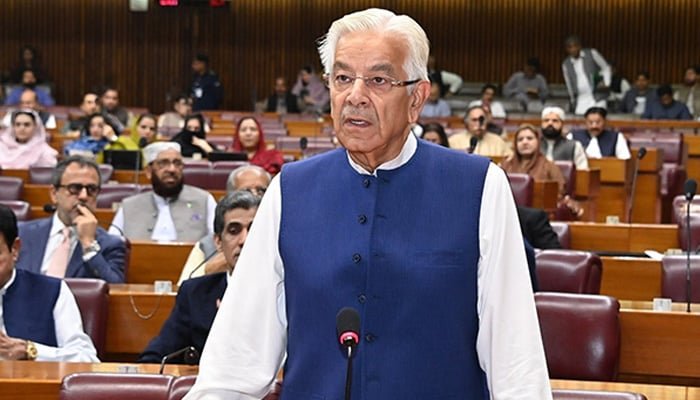
Pakistan Economic Recovery has become a major topic of discussion after Defence Minister Khawaja Asif stated that the country’s economy has successfully moved out of the ICU phase and is now heading toward a period of stability and growth. His remarks came during the National Assembly debate on the Federal Budget 2026-27, where he expressed optimism that Pakistan could achieve a GDP growth rate of 6% to 7% within the next couple of years. The statement reflects growing confidence in the country’s economic direction after several years of financial challenges and uncertainty.
A Shift from Crisis to Stability
Over the past few years, Pakistan faced significant economic difficulties, including rising inflation, foreign exchange shortages, debt pressures, and concerns about a possible default. These challenges affected businesses, investors, and ordinary citizens alike.
However, recent economic indicators suggest that the situation is gradually improving. According to government officials, disciplined fiscal management, international financial support, and structural reforms have helped stabilize key sectors of the economy. This progress has strengthened confidence among investors and policymakers.
The latest remarks by Khawaja Asif highlight the government’s belief that Pakistan Economic Recovery is now entering a more sustainable phase, with opportunities for growth across multiple sectors.
Federal Budget 2026-27 and Economic Vision
The announcement came shortly after the government unveiled the Federal Budget 2026-27, valued at approximately Rs18.8 trillion. The budget aims to balance economic growth with fiscal responsibility while addressing challenges related to energy, taxation, and public spending.
The government has emphasized measures designed to increase revenue collection, improve economic productivity, and support development projects. Policymakers believe that these initiatives will create a stronger foundation for long-term growth.
A key objective of the budget is to maintain economic stability while encouraging investment and job creation. Officials argue that consistent policy implementation will be crucial for ensuring the success of the Pakistan Economic Recovery strategy.
Expectations of Higher GDP Growth
One of the most notable aspects of Khawaja Asif’s statement was his prediction that Pakistan could achieve GDP growth of 6% to 7% within the next one to two years.
Such growth would represent a significant improvement compared to recent years and could have positive effects on employment, industrial production, exports, and household incomes.
Economic experts generally agree that achieving higher growth will depend on several factors, including:
- Continued political stability
- Increased foreign investment
- Export expansion
- Improved energy availability
- Effective implementation of economic reforms
If these conditions are met, the Pakistan Economic Recovery process could accelerate and create broader opportunities for businesses and consumers.
Importance of Tax Reforms
During his speech, Khawaja Asif also stressed the need for a fair and rational taxation system. He argued that a transparent tax structure can encourage voluntary compliance while reducing the burden on honest taxpayers.
Pakistan has long struggled with a narrow tax base, making tax reform a critical component of economic development. Expanding the number of taxpayers and improving revenue collection could provide the government with additional resources for infrastructure, healthcare, and education.
Experts believe that strengthening tax administration is essential for maintaining fiscal stability and supporting the broader goals of Pakistan Economic Recovery.
Relief Through Energy Price Adjustments
The defence minister also assured lawmakers that reductions in petroleum prices would be passed on to the public whenever possible.
Energy costs play a major role in determining inflation levels and overall economic activity. Lower fuel prices can reduce transportation expenses, lower production costs for industries, and provide financial relief to households.
As Pakistan continues to manage global energy market fluctuations, maintaining affordable energy prices could support consumer spending and contribute to economic growth.
Pakistan’s Growing Diplomatic Role
Beyond economic matters, Khawaja Asif highlighted Pakistan’s recent diplomatic efforts on the international stage. He credited the country’s leadership for strengthening Pakistan’s global image through active diplomacy and strategic engagement.
The minister pointed to Pakistan’s role in facilitating dialogue between international stakeholders during recent regional tensions. Such diplomatic initiatives can have economic benefits by improving investor confidence and enhancing the country’s international standing.
A stable foreign policy environment often complements domestic economic reforms, creating favorable conditions for investment and trade.
Challenges Still Remain
While optimism surrounding Pakistan Economic Recovery is growing, several challenges remain. Inflation management, energy sector reforms, debt obligations, and employment generation continue to require careful attention.
Additionally, global economic uncertainty and regional developments could influence Pakistan’s growth trajectory. Sustained progress will depend on consistent policymaking and effective governance.
Many economists emphasize that recovery is not only about improving macroeconomic indicators but also about ensuring that the benefits of growth reach ordinary citizens through better job opportunities and improved living standards.
The government’s latest economic outlook reflects increasing confidence in Pakistan’s future. With signs of stabilization emerging and ambitious growth targets being discussed, the country appears to be entering a new phase of development.
The success of Pakistan Economic Recovery will ultimately depend on maintaining fiscal discipline, encouraging investment, expanding exports, and implementing meaningful reforms. If these objectives are achieved, Pakistan could move beyond stabilization and enter a period of stronger and more inclusive economic growth.
As policymakers continue to focus on reform and development, the coming years will be crucial in determining whether the country’s economic momentum can be sustained and transformed into lasting prosperity.