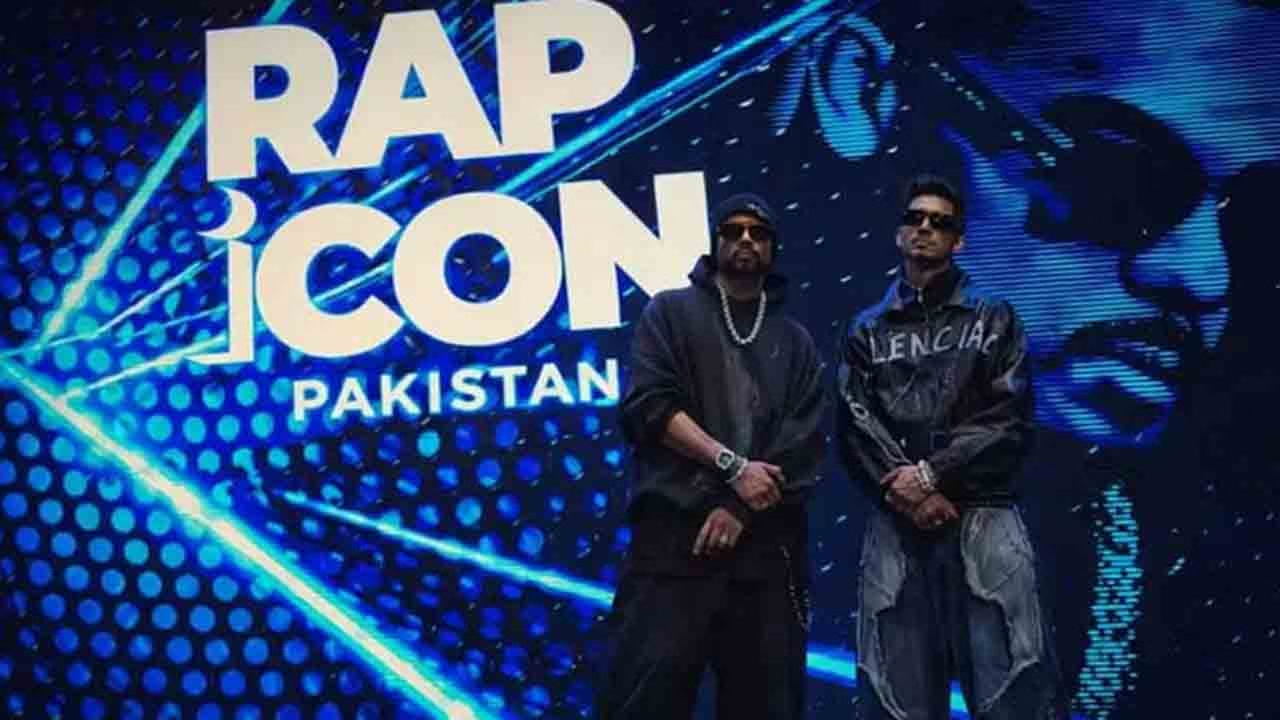
Pakistan’s entertainment industry is preparing for a fresh wave of excitement as Rap Icon gets ready to premiere on YouTube from May 24. The upcoming reality show, produced by Pixel Entertainment, aims to discover emerging rap talent and introduce a new generation of artists to the country’s growing hip-hop audience.
The Rap Icon Pakistan show has already created buzz on social media after the release of its first promotional glimpse. The teaser featured luxury cars, stylish street fashion, energetic rap battles, and young performers showcasing their lyrical skills. The visuals immediately attracted attention from music fans, especially younger audiences who have been waiting for a dedicated rap competition in Pakistan.
According to executive producer Rizwan Siddiqui, the first season of the show will include 12 emerging rappers competing across 10 episodes. Contestants will face various rap challenges and thematic performances designed to test their creativity, lyrical ability, stage presence, and originality.
The Rap Icon Pakistan competition aims to do more than just entertain viewers. Its larger goal is to identify and promote fresh rap talent capable of representing Pakistan’s hip-hop culture on a bigger stage. Producers hope the platform can help create future stars similar to Talha Anjum and Bohemia, both of whom played major roles in popularizing rap music among South Asian audiences.
Over the last few years, rap and hip-hop culture have experienced significant growth in Pakistan. Independent artists have gained massive online followings through YouTube, streaming platforms, and social media. Young listeners increasingly connect with rap music because it often addresses real-life struggles, ambition, identity, and social issues in a direct and relatable way.
The launch of Rap Icon Pakistan reflects this changing musical landscape. Unlike traditional singing competitions that focus mainly on vocals, this show highlights lyrical storytelling, rhythm, freestyle battles, and performance energy. It also provides underground rappers with a rare opportunity to reach mainstream audiences.
Pakistan’s reality television industry has also been evolving rapidly. International-inspired formats such as MasterChef and Shark Tank have shown that Pakistani audiences enjoy competitive entertainment shows that combine talent, personality, and emotional storytelling.
Although Pakistan Idol remains temporarily delayed due to regional tensions and economic constraints, industry observers believe Rap Icon Pakistan could help revive excitement in the local entertainment sector. The show arrives at a time when audiences are increasingly turning toward digital platforms for entertainment rather than traditional television.
Another important factor behind the anticipation surrounding Rap Icon Pakistan is the popularity of YouTube as a primary entertainment platform in the country. Many young Pakistanis now consume music, podcasts, interviews, and live performances online rather than through conventional TV channels. Releasing the show digitally may help it connect more directly with its target audience.
The rise of Pakistani rap music has been especially noticeable in urban areas over the past decade. Artists from Karachi, Lahore, Islamabad, and other cities have used hip-hop as a way to discuss social realities, personal experiences, and youth culture. Rap music in Pakistan now blends local languages, cultural references, and modern production styles to create a unique identity within the global hip-hop scene.
Rap Icon Pakistan could become an important platform for discovering voices that might otherwise remain hidden. Many talented underground rappers struggle to gain exposure due to limited industry support and financial barriers. Reality competitions can provide visibility, mentorship, and networking opportunities that help artists build sustainable careers.
The show’s promotional visuals also suggest that producers are focusing heavily on style and modern aesthetics. Fashion, urban culture, luxury imagery, and performance intensity appear to be central parts of the show’s branding strategy. This aligns closely with global hip-hop culture, where music and visual identity often go hand in hand.
Media circles are already speculating that the success of Rap Icon Pakistan may encourage producers to invest in more large-scale talent competitions in the future. Rumors about possible projects like “Pakistan’s Got Talent” have further fueled excitement among entertainment fans.
Critics and music enthusiasts will likely pay close attention to how the show balances entertainment with artistic authenticity. Rap audiences often value originality and credibility, meaning contestants will need more than flashy performances to truly stand out.
At the same time, the competition could help broaden public understanding of rap as a serious musical art form rather than just a trend. Pakistani hip-hop artists have increasingly proven that rap can address meaningful topics while also entertaining large audiences.
The arrival of Rap Icon Pakistan highlights the growing influence of youth-driven digital entertainment in the country. As streaming platforms continue to reshape how audiences consume content, reality shows designed for online viewers may become increasingly common.
If successful, the show could open new doors for aspiring rappers and strengthen Pakistan’s position within South Asia’s rapidly expanding hip-hop culture. More importantly, it may inspire young artists to pursue their creative ambitions and bring fresh energy into Pakistan’s evolving music industry.