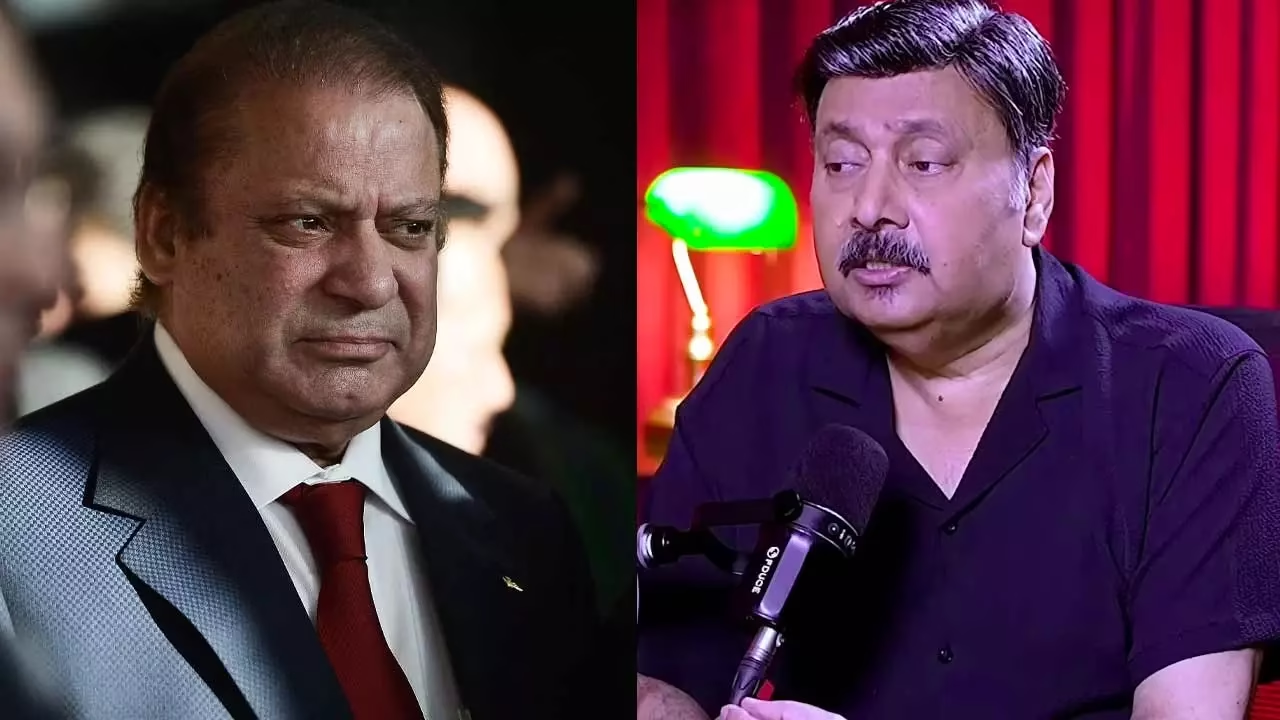
The recent discussion around Wasim Abbas Nawaz Sharif praise has gained attention after the senior actor shared his views during an interview with Ahmed Ali Butt. In the conversation, Wasim Abbas openly expressed his appreciation for former Prime Minister Nawaz Sharif, particularly highlighting his long-standing support for the artist community.
The topic of Wasim Abbas Nawaz Sharif praise became widely discussed after Abbas described how Nawaz Sharif has, according to him, consistently supported artists during difficult times. He emphasized that such level of care and attention toward the entertainment industry is rare among political leaders.
During the interview, Wasim Abbas stated that the Wasim Abbas Nawaz Sharif praise is based on personal experiences and observations. He claimed that Nawaz Sharif has often reached out to artists in need, even during his time in exile, which he believes reflects genuine concern for the welfare of the artistic community.
One of the key points mentioned in the Wasim Abbas Nawaz Sharif praise was the former prime minister’s alleged personal involvement in helping struggling artists. Abbas said that Nawaz Sharif would sometimes inquire about sick artists and even send financial assistance to their homes without public attention or recognition.
According to Abbas, this type of behavior shows a level of humility and compassion that is not commonly seen in public leadership. The Wasim Abbas Nawaz Sharif praise highlights these personal gestures as evidence of consistent support for the cultural sector in Pakistan.
The actor further added that Nawaz Sharif has also reportedly facilitated medical treatment for artists by arranging access to hospitals and healthcare services. These claims formed a central part of the Wasim Abbas Nawaz Sharif praise, reinforcing his argument that the former leader has played a positive role in supporting individuals from the entertainment industry.
Wasim Abbas questioned why such actions are sometimes criticized or overlooked, suggesting that good deeds should be acknowledged regardless of political differences. The Wasim Abbas Nawaz Sharif praise reflects his belief that support for artists should be appreciated rather than politicized.
This statement has sparked mixed reactions among the public. While some people agree with the Wasim Abbas Nawaz Sharif praise and appreciate the acknowledgment of political support for artists, others remain skeptical and believe that such claims should be viewed in a broader political context.
The discussion also sheds light on the long-standing relationship between politics and the entertainment industry in Pakistan. Over the years, various political figures have interacted with artists and cultural personalities, but the Wasim Abbas Nawaz Sharif praise specifically highlights personal acts of assistance rather than formal policy decisions.
In the broader entertainment landscape, artists often rely on both institutional and individual support systems. The Wasim Abbas Nawaz Sharif praise brings attention to the importance of such support in sustaining the careers and well-being of performers who may face financial or health-related challenges.
The interview with Ahmed Ali Butt also reflects how public figures use media platforms to share personal experiences and opinions. Through this conversation, the Wasim Abbas Nawaz Sharif praise became part of a larger discussion about the role of leadership in cultural development.
While opinions may vary, the statement underscores the influence of personal relationships in shaping perceptions of political leaders. The Wasim Abbas Nawaz Sharif praise illustrates how individual experiences can contribute to broader narratives about governance and public service.
It is also important to note that such statements often generate debate on social media, where users express both support and criticism. In this case, the Wasim Abbas Nawaz Sharif praise has led to discussions about how much weight personal anecdotes should carry in evaluating public figures.
The Wasim Abbas Nawaz Sharif praise shared during the interview has added a new dimension to conversations about political support for artists in Pakistan. Whether viewed as personal testimony or broader commentary, it highlights the ongoing connection between leadership and the cultural community.