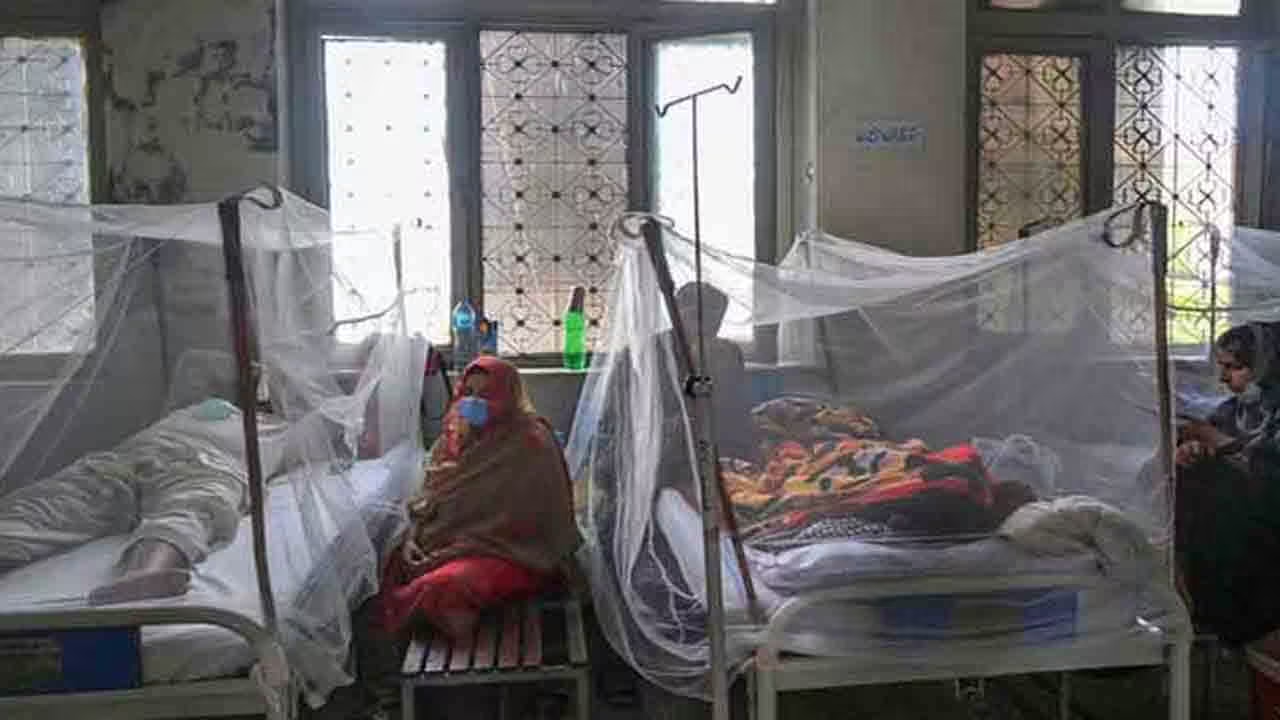
World Kidney Day is observed annually on the second Thursday of March, and this year, it falls on March 13. The global initiative aims to spread awareness about kidney diseases, their risk factors, and preventive measures.
Understanding Chronic Kidney Disease (CKD)
Chronic Kidney Disease (CKD) is a progressive condition where the kidneys gradually lose their ability to function. Since the kidneys are responsible for filtering waste, excess fluids, and toxins from the blood, their deterioration can lead to a buildup of harmful substances in the body.
🚨 Key Causes of CKD:
✔️ Diabetes
✔️ High blood pressure (Hypertension)
✔️ Glomerulonephritis (inflammation of kidney filters)
If untreated, CKD progresses through five stages, with the final stage, End-Stage Renal Disease (ESRD), requiring dialysis or a kidney transplant.
Early Warning Signs of CKD
CKD develops gradually, and symptoms often go unnoticed in the early stages. Some common signs include:
🔹 Fatigue and weakness
🔹 Swelling (edema) in legs and feet
🔹 Frequent urination, especially at night
🔹 Persistent itching and muscle cramps
🔹 Nausea and loss of appetite
🔹 High blood pressure and difficulty concentrating
Regular kidney function tests are essential for early diagnosis, as symptoms may only appear when significant kidney damage has already occurred.
Who Is at Risk?
Certain individuals are at a higher risk of developing CKD, including:
✔️ People with diabetes or hypertension
✔️ Those with a family history of kidney disease
✔️ Individuals with obesity or cardiovascular conditions
✔️ Older adults
✔️ Smokers and people with poor dietary habits
✔️ Long-term users of painkillers or certain antibiotics without medical supervision
Treatment and Management
While CKD has no cure, medical intervention and lifestyle changes can slow its progression:
🔹 Medications to control blood pressure, blood sugar, and cholesterol
🔹 Dietary modifications to reduce sodium, potassium, and protein intake
🔹 Dialysis for severe cases to filter waste from the blood
🔹 Kidney transplant as a long-term solution for ESRD
How to Prevent Kidney Disease
🟢 Maintain healthy blood pressure and blood sugar levels
🟢 Stay hydrated and reduce salt intake
🟢 Limit alcohol and tobacco use
🟢 Avoid excessive use of painkillers and self-medication
🟢 Eat a balanced diet with fruits, vegetables, and whole grains
🟢 Exercise regularly to maintain a healthy weight
🟢 Get regular health screenings, especially if you’re at risk
By adopting healthy habits and staying informed, individuals can significantly reduce the risk of kidney disease and lead a healthier life.