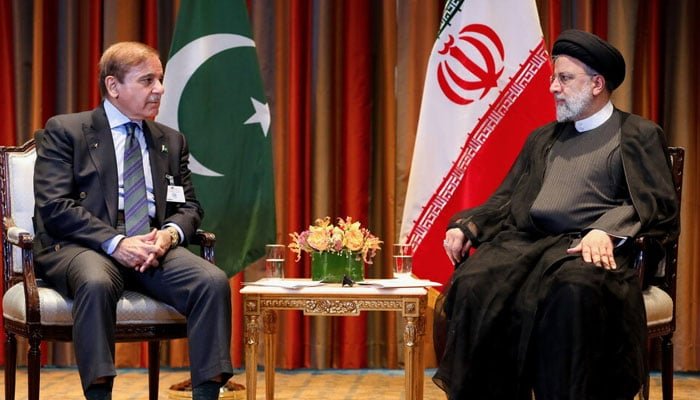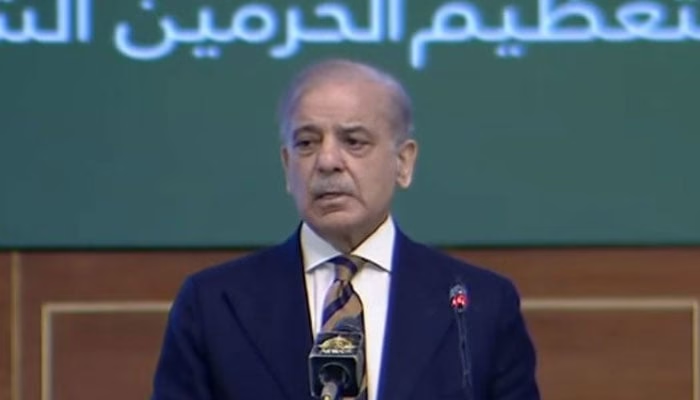
Pakistan’s growing role in global affairs has once again come into the spotlight, with Pakistan peace diplomacy emerging as a key factor in promoting stability in the region. Speaking at a major international conference in Islamabad, Prime Minister Shehbaz Sharif highlighted how the country successfully facilitated dialogue between long-standing rivals, the United States and Iran, marking a significant diplomatic achievement.
According to the prime minister, Pakistan played a central role in bringing both nations to the negotiating table for the first time in decades. The talks, held in Islamabad in April 2026, represent a rare moment of engagement between two countries with a history of strained relations. This development underscores the strength of Pakistan peace diplomacy and its ability to act as a bridge between conflicting parties.
The prime minister emphasized that such efforts reflect the trust the international community places in Pakistan. Acting as a mediator requires not only diplomatic skill but also credibility and neutrality—qualities that Pakistan has demonstrated in recent years. The success of these talks highlights how Pakistan peace diplomacy is contributing to broader regional stability.
In addition to facilitating dialogue, Pakistan also encouraged both sides to agree to a ceasefire, a step that could pave the way for long-term peace. While challenges remain, the willingness of both countries to engage in constructive discussions is a positive sign. It shows that diplomatic channels, when handled effectively, can open doors that once seemed closed.
The event where these remarks were made, the Paigham-e-Islam Conference, brought together religious scholars and leaders from across the Muslim world. The gathering emphasized unity, harmony, and collective responsibility. The connection between faith-based unity and Pakistan peace diplomacy is significant, as both aim to promote understanding and reduce conflict.
The prime minister also acknowledged the support of key international partners, including Mohammed bin Salman, as well as countries like China and Turkiye. Their cooperation has strengthened Pakistan’s diplomatic efforts and helped create an environment conducive to dialogue. Such partnerships play an important role in enhancing the effectiveness of Pakistan peace diplomacy on a global scale.
Within Pakistan, the government and military leadership have worked closely to achieve these diplomatic milestones. Contributions from key figures, including Ishaq Dar and Syed Asim Munir, were recognized for their efforts in facilitating communication and building trust between the involved parties. Their coordinated approach reflects the importance of unity in executing successful foreign policy initiatives.
Beyond international relations, the prime minister stressed the importance of internal unity. He urged religious scholars to promote harmony and discourage divisions within society. This message aligns closely with the principles of Pakistan peace diplomacy, which not only focuses on external peace but also emphasizes cohesion within the country.
The prime minister also reaffirmed Pakistan’s stance on key global issues, including support for the people of Palestine and Kashmir. These positions highlight the country’s commitment to justice and self-determination, which are central themes in its diplomatic approach. By maintaining a consistent stance, Pakistan peace diplomacy continues to resonate with many nations and communities around the world.
Another important aspect discussed was the protection of sacred sites, particularly in Saudi Arabia. The prime minister reiterated that safeguarding these places remains a matter of deep importance for Pakistan. This commitment further strengthens ties with regional allies and adds a moral dimension to Pakistan peace diplomacy.
The recognition of individuals who have contributed to the unity of the Muslim Ummah was also a key part of the event. By honoring such efforts, Pakistan reinforces the idea that peace and cooperation require collective action. These initiatives complement the broader goals of Pakistan peace diplomacy, which seeks to build bridges and foster mutual respect.
Pakistan’s recent diplomatic efforts demonstrate its growing influence as a mediator and peacebuilder. The success in facilitating dialogue between major global players is a testament to the country’s strategic vision and commitment to stability. As Pakistan peace diplomacy continues to evolve, it holds the potential to shape a more peaceful and cooperative regional landscape, benefiting not only Pakistan but the wider international community.