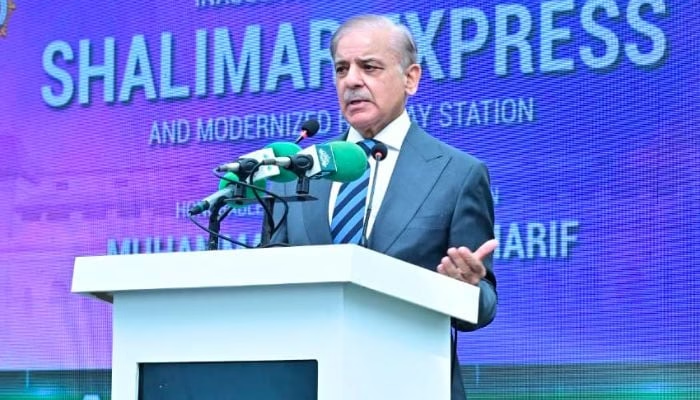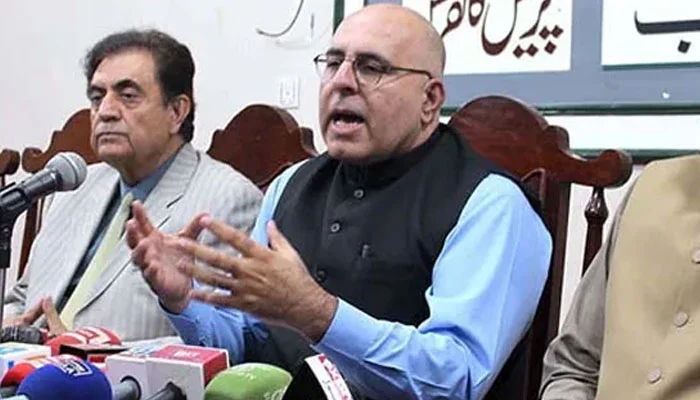
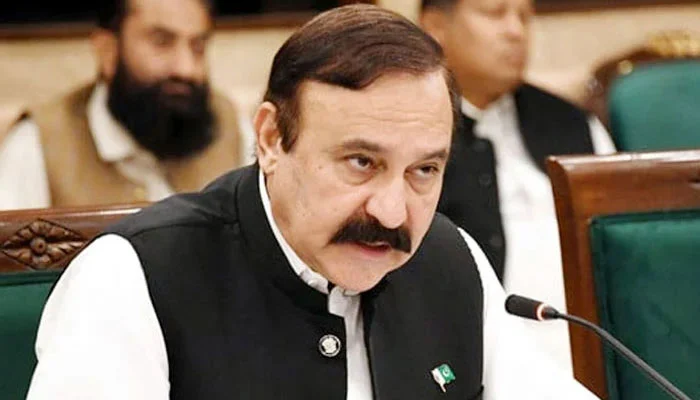
Pakistan government-opposition talks may receive a fresh boost as Prime Minister Shehbaz Sharif signals his willingness to meet Opposition Leader Mahmood Khan Achakzai to discuss national interests and constitutional matters. Federal Minister for Parliamentary Affairs Tariq Fazal Chaudhry has stressed that the purpose of the meeting matters more than its venue, indicating that the government remains open to negotiations despite previous disagreements.
The latest development comes amid growing political tensions following the federal government’s emergency measures in Khyber Pakhtunkhwa (KP), the collapse of earlier negotiations, and continuing differences between the ruling coalition and Pakistan Tehreek-e-Insaf (PTI).
Constitution Room Proposed for Dialogue
The opposition alliance, Tehreek Tahaffuz Aiyeen-e-Pakistan (TTAP), has proposed holding a potential meeting between Prime Minister Shehbaz Sharif and Achakzai in the Constitution Room at Parliament.
TTAP spokesperson Akhunzada Hussain said the opposition would welcome the prime minister to the proposed venue if he visited the opposition chamber. The alliance has emphasised the importance of conducting negotiations at a neutral location, arguing that personal differences and political egos should not prevent meaningful dialogue.
Achakzai had previously refused to participate in discussions at the National Assembly speaker’s chamber, maintaining that negotiations should take place at a neutral venue.
The disagreement over the meeting location highlights the political mistrust between the two sides. However, the government’s willingness to consider a meeting could provide an opportunity to restart discussions if both parties agree on the arrangements and agenda.
KP Emergency Measures Remain a Major Issue
The renewed push for Pakistan government-opposition talks comes as tensions continue over the federal government’s intervention in KP.
Prime Minister Shehbaz Sharif recently visited Peshawar and chaired a meeting of the federal apex committee to review the province’s security situation. During the meeting, he described the measures taken by the government as being implemented under extreme compulsion.
The federal government has defended its actions by pointing to rising terrorist incidents and concerns about the provincial administration’s counterterrorism performance. Officials have argued that restoring peace and promoting development in KP require coordinated action between federal and provincial authorities.
However, PTI has strongly opposed the emergency measures, describing them as an attack on the province’s elected government and democratic mandate.
The dispute has become a major obstacle to political cooperation, with both sides presenting different explanations for the province’s security challenges and the breakdown of earlier negotiations.
Disagreement Over Earlier Negotiations
The latest developments follow the collapse of negotiations between the federal government and opposition in the early hours of October 4. Four rounds of discussions had taken place to address counterterrorism cooperation in KP and access to incarcerated PTI founder Imran Khan.
According to Interior Minister Mohsin Naqvi, the parties had reached an understanding on most issues but could not resolve their differences over the final draft agreement.
Tariq Fazal Chaudhry claimed that four drafts had been prepared during the negotiations. However, he alleged that opposition representatives repeatedly sought approval from KP Chief Minister Sohail Afridi before accepting the proposed arrangements.
According to Chaudhry, the opposition delegation eventually withdrew support for the fourth draft, saying the chief minister had not approved it. The opposition, however, has disputed the government’s version of events.
The proposed agreement reportedly included joint counterterrorism efforts, condemnation of militant organisations such as Tehreek-e-Taliban Pakistan (TTP), implementation of the national policy on Afghan refugees, and measures to prevent Afghan territory from being used for attacks against Pakistan.
It also covered additional funding for counterterrorism operations and police activities, alongside improved coordination between provincial authorities and security forces.
Parliament’s Role in the Political Crisis
Following the breakdown of negotiations, President Asif Ali Zardari proclaimed emergency and governor’s rule in KP on October 11 under Articles 232 and 234 of the Constitution, respectively. Parliament subsequently endorsed the presidential proclamations during a joint sitting on October 15.
The measures have intensified political divisions, with the federal government insisting that extraordinary action was necessary to improve security, while PTI maintains that the decision undermines democratic representation.
Chaudhry has also rejected allegations that the Centre wants to take control of KP for political reasons. He questioned why the federal government would seek responsibility for a province facing serious security challenges and resource constraints.
He further called on political parties to unite against terrorism, expressing confidence that peace and development could return to the province through collective efforts.
Can Dialogue Break the Deadlock?
The future of Pakistan government-opposition talks will depend on whether both sides can move beyond disagreements over meeting arrangements and establish common ground on substantive issues.
A successful meeting between Shehbaz Sharif and Achakzai could help rebuild trust and create space for discussions on security, constitutional responsibilities, and political stability. However, differences over KP’s governance, counterterrorism policy, and access to Imran Khan remain significant challenges.
For negotiations to produce lasting results, both sides will need to demonstrate flexibility, communicate clearly, and ensure that their representatives have the authority to make decisions.
With security concerns continuing to affect KP and political tensions showing little sign of easing, renewed dialogue could offer a path towards cooperation. Whether the latest initiative leads to a meaningful breakthrough will depend on the willingness of the government and opposition to prioritise national interests over political differences.