The planned US envoy Putin meeting in St Petersburg could become an important step in ongoing efforts to end Russia’s war with Ukraine. US special envoy Steve Witkoff is scheduled to meet Russian President Vladimir Putin on Wednesday to discuss proposals aimed at resolving the conflict, following diplomatic talks between American, Ukrainian and European officials in Oslo.
The meeting comes at a critical moment, as Ukraine and its European allies say Russia must now respond to proposals discussed with Washington. Ukrainian President Volodymyr Zelensky has also indicated that intelligence sharing with the United States regarding Russian missile attacks is now functioning, following earlier disagreements between Kyiv and Washington.
Witkoff Meets Putin After Oslo Discussions
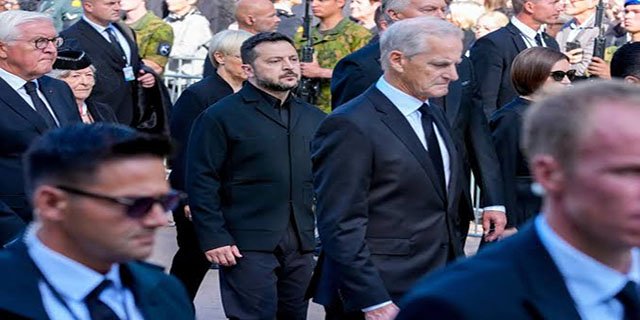
Witkoff’s planned visit to Russia follows his meeting with Zelensky in the Norwegian capital on Tuesday. A US official described the discussions as “constructive,” while a subsequent assessment characterised them as “very productive and constructive.”
According to the official, the talks demonstrated strong alignment at the working level among the United States, Ukraine and European partners regarding the next steps in the peace process.
Finnish President Alexander Stubb also participated in the discussions. He said that genuine progress had been made on proposals intended to achieve peace, although he did not provide specific details about the measures under consideration. Stubb cautioned that patience would be necessary as diplomatic efforts continued.
Witkoff was not present at the joint press conference following the Oslo meeting. US President Donald Trump’s son-in-law, Jared Kushner, who has also been involved in diplomatic efforts, participated through a video link.
The discussions appear to have helped coordinate positions among the participating governments. However, the details of the proposals and the extent to which Russia might accept them remain unclear.
Zelensky Says US Intelligence Sharing Is Working
Intelligence cooperation between Washington and Kyiv has been another important issue in the relationship between the two countries.
Ukraine had previously accused the United States of withholding key intelligence information, a claim Washington rejected as “scandalous.” Such disagreements raised concerns about the consistency of support available to Ukraine as it defended itself against Russian attacks.
On Tuesday, Zelensky said that intelligence sharing with the United States concerning Russian missile attacks “works now.” His statement suggests that cooperation in this area has improved, although it does not establish the full scope of intelligence assistance currently being provided.
Access to timely intelligence can be essential for monitoring threats, assessing military developments and helping authorities respond to incoming attacks. For Ukraine, information concerning Russian missile launches is particularly important for warning systems and defensive planning.
Improved coordination could also help strengthen trust between Kyiv and Washington as negotiations continue. Nevertheless, intelligence cooperation and diplomatic negotiations remain separate challenges, and progress in one area does not automatically guarantee an agreement on the other.
Russia Faces Pressure to Respond to Peace Proposals
Following the Oslo discussions, Zelensky and his European allies indicated that the next move rested with Moscow. Witkoff’s planned meeting with Putin is therefore expected to provide an opportunity to communicate the proposals and assess Russia’s response.
The US envoy Putin meeting may help clarify whether the Russian leadership is prepared to engage with the ideas discussed by Ukraine, the United States and European governments. It could also reveal where significant disagreements remain.
However, diplomatic meetings alone do not guarantee progress towards a settlement. Any agreement would depend on the positions of the parties involved, the conditions they consider acceptable and their willingness to make compromises.
Russia’s response will be especially important because Ukraine and its partners have emphasised the need for Moscow to engage with the proposals rather than allowing the diplomatic process to remain stalled.
The absence of publicly disclosed details also makes it difficult to assess how close the parties may be to an agreement. Until the proposals and Russia’s position become clearer, expectations should remain cautious.
Europe’s Role in the Search for Peace
The participation of European leaders in the Oslo talks highlights the importance of international coordination in efforts to end the conflict.
European governments have significant security interests in the outcome of the war, particularly because continued fighting affects regional stability and relations between Russia and Western countries.
Stubb’s comments about progress and the need for patience reflect the challenges facing negotiators. Even when participating governments reach a degree of agreement, translating shared proposals into a settlement can require difficult discussions over security, territorial issues and future relations.
Coordination between Ukraine, the United States and European partners may help establish a more consistent diplomatic approach. However, any lasting outcome will also require meaningful engagement from Russia.
The planned US envoy Putin meeting represents another significant diplomatic effort to explore a possible path towards ending Russia’s war with Ukraine. The discussions follow what American officials described as constructive talks in Oslo and Zelensky’s statement that intelligence sharing with Washington is now working.
Although these developments suggest continued engagement, a breakthrough remains uncertain. The details of the proposals, Russia’s response and the willingness of all parties to reach an agreement will determine whether the latest diplomatic contacts lead to meaningful progress towards peace.