
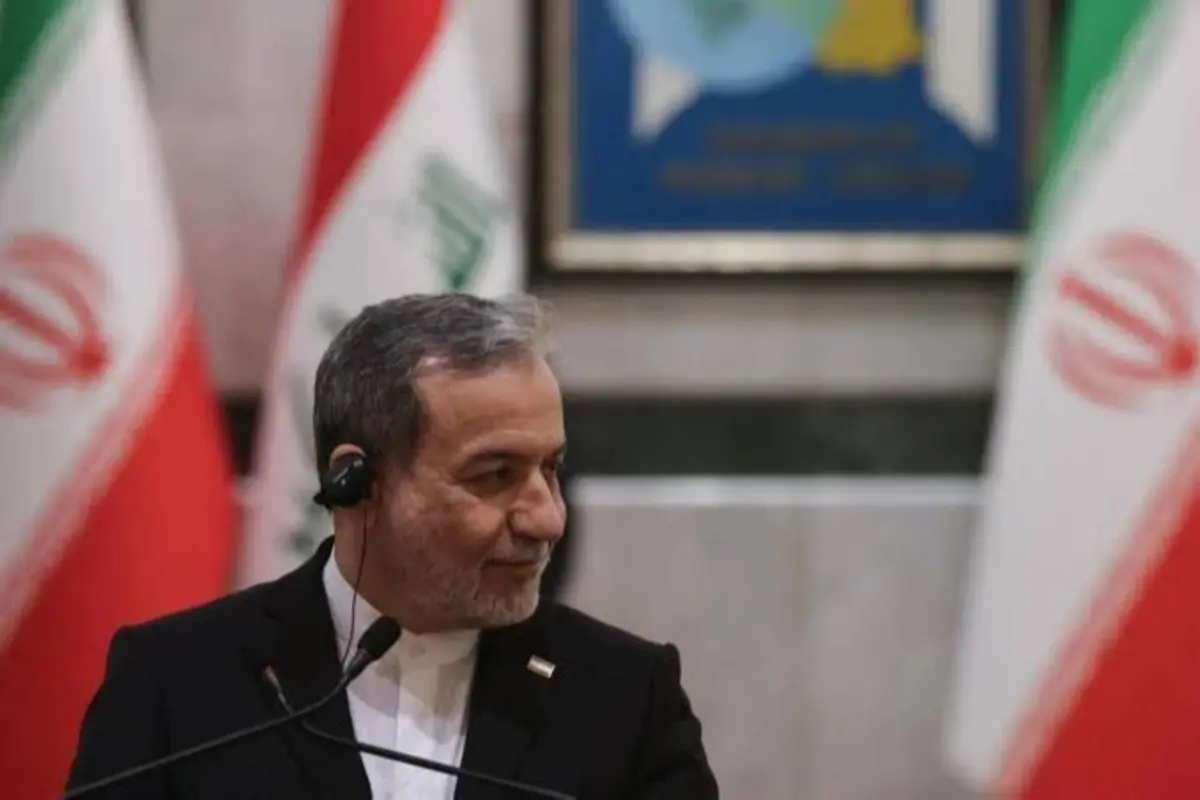
Iran-US tensions remain a major concern for regional security as Tehran continues to pursue diplomatic engagement while preparing for possible military confrontation. Iranian Foreign Ministry spokesperson Esmaeil Baghaei has warned that escalating disputes in the region would benefit Israel, emphasizing that Iran does not want continued friction between two Muslim countries. He also expressed Tehran’s readiness to facilitate negotiations to resolve outstanding disagreements through dialogue.
Baghaei’s remarks reflect Iran’s stated preference for diplomatic solutions, although significant disagreements remain unresolved. Tehran is reviewing proposals from Washington while maintaining that any agreement must respect its national interests and rights.
Iran Calls for Dialogue Between Regional Countries
Speaking about the broader regional situation, Baghaei stressed the importance of reducing tensions between Muslim countries. He argued that continued confrontation could deepen instability and create further opportunities for outside actors to benefit from regional divisions.
Iran has repeatedly emphasized dialogue as a means of addressing disputes with neighboring countries. However, translating such statements into practical progress will depend on the willingness of the parties involved to engage in meaningful negotiations and address their differences.
The issue is particularly important as several regional conflicts continue to raise concerns about security, economic stability, and diplomatic relations. Iran’s offer to help facilitate talks suggests that Tehran wants to maintain a diplomatic role in efforts to reduce tensions, even as disagreements persist.
Tehran Criticizes Restrictions on Yemen
Baghaei also criticized restrictions and the blockade imposed on Yemen over the past decade, describing the measures as unjust. His comments come amid continuing concerns about Yemen’s humanitarian situation and the wider security consequences of the conflict.
Yemen has remained a source of regional tension, with developments involving the Houthi movement affecting relations among several Middle Eastern countries. Disagreements over security, maritime activity, and cross-border attacks have complicated efforts to achieve lasting stability.
Iran’s criticism of restrictions on Yemen forms part of its broader position on regional conflicts. Nevertheless, the prospects for reducing tensions will depend on developments on the ground, diplomatic engagement, and efforts to address the underlying political and security disputes.
Iran and Iraq Discuss Regional Developments
Meanwhile, Iranian Foreign Minister Abbas Araghchi held a telephone conversation with Iraqi Foreign Minister Fuad Hussein to discuss the latest regional developments, according to Iranian media reports.
The conversation reportedly included discussions about Yemen’s deteriorating situation and Houthi attacks on Saudi Arabia. These issues have added to concerns about regional security and the potential for existing conflicts to affect relations between neighboring countries.
Iran and Iraq maintain important diplomatic ties, making communication between their foreign ministers significant during periods of regional uncertainty. Such discussions provide an opportunity to exchange assessments, coordinate diplomatic positions, and explore possible approaches to reducing tensions.
However, consultations alone cannot resolve the region’s complex disputes. Progress will require sustained engagement among the countries involved and practical measures to prevent further escalation.
Iran Prepares Response to Washington
Iranian Deputy Foreign Minister Kazem Gharibabadi has stated that Tehran is prepared for both diplomacy and war as it finalizes its response to the US position.
Gharibabadi questioned Washington’s compliance with its commitments under the Islamabad Memorandum of Understanding. He argued that Iran had continued participating in negotiations despite what Tehran considers breaches of those commitments.
These allegations highlight the continuing lack of trust between the two sides. While Iran has indicated its willingness to pursue a diplomatic settlement, its officials have also stressed that negotiations must protect the country’s national interests and rights.
The exchange of messages through mediators remains an important channel for communication between Tehran and Washington. Indirect engagement can help both sides clarify their positions, communicate proposals, and explore possible compromises without requiring direct negotiations at every stage.
Nevertheless, the outcome will depend on the substance of the proposals, the implementation of any commitments, and the willingness of both governments to address disputed issues.
What Lies Ahead for Iran-US Relations?
The future of Iran-US tensions will depend largely on whether diplomatic communication can produce concrete progress. Tehran’s latest statements indicate that it wants to preserve negotiations while maintaining its readiness to respond to other developments.
Regional conflicts, disagreements over commitments, and concerns about national security continue to complicate the diplomatic landscape. At the same time, ongoing communication through mediators offers a channel through which misunderstandings could be addressed and potential agreements explored.
For neighboring countries, reducing confrontation between Iran and the United States could have wider implications for regional stability. Escalation, by contrast, could create additional security challenges and place further pressure on diplomatic relationships.
Iran’s position combines an expressed willingness to negotiate with warnings that it will protect its interests if diplomacy fails. Whether this approach leads to a breakthrough or prolonged uncertainty will depend on the next steps taken by Tehran and Washington.
Iran-US tensions remain closely linked to broader Middle Eastern security concerns. Iran’s diplomatic outreach, criticism of regional restrictions, and preparations for different possible outcomes demonstrate the challenges facing efforts to achieve lasting stability. Continued dialogue and credible commitments will be essential if both sides are to move toward a negotiated resolution.