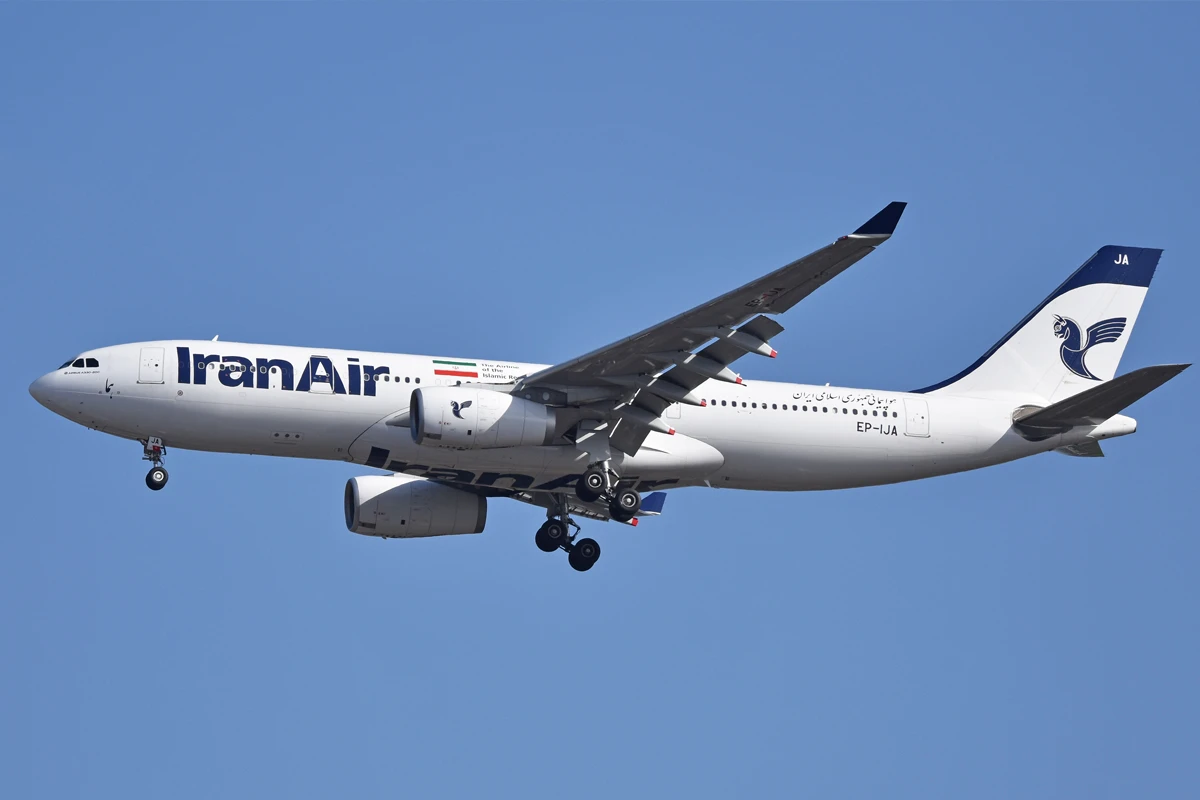
Iran has announced new Iran flight cancellations affecting flights from Tehran to Baghdad in Iraq and Muscat in Oman, with the suspension taking effect from midnight on Wednesday, September 23, local time. The move comes as Iranian aviation authorities face increasing restrictions on international operations amid expanded US sanctions targeting the country’s airline sector.
Iran’s Civil Aviation Organization confirmed the decision through the semi-official Tasnim news agency. According to the announcement, Baghdad and Muscat airports would no longer accept flights operated by Iranian carriers from midnight.
The decision represents a new challenge for Iranian passengers who depend on regional routes for religious travel, business, family visits and onward international connections.
Baghdad Flights Could Be Diverted to Najaf
One of the main concerns following the Iran flight cancellations is the disruption of flights to Baghdad. Iranian authorities are currently discussing an alternative arrangement with Iraqi officials that could allow Baghdad-bound flights to land at Najaf International Airport instead.
Najaf is an important destination for Iranian travellers and religious pilgrims visiting Iraq. The city is home to major Shiite religious sites and serves as a key entry point for many visitors from Iran.
Iranian Civil Aviation Organization spokesman Majid Akhavan said consultations were underway to redirect flights originally scheduled for Baghdad to Najaf. Iraqi authorities have also been involved in discussions about the possible alternative arrangement.
The proposed diversion could help reduce the impact on passengers, although the final arrangement depends on coordination between the two countries.
Reuters separately reported that Iraq had ordered its civil aviation authority to suspend Iranian flights to Baghdad starting Wednesday, following US threats of sanctions against airports that continue providing services to Iranian carriers.
Muscat Flights Also Suspended
The latest Iran flight cancellations also include services between Tehran and Muscat.
Iranian authorities said Muscat International Airport would stop accepting Iranian flights from midnight Wednesday. Discussions with Omani officials are continuing as Tehran seeks to understand whether alternative arrangements can be made.
Unlike the Baghdad route, where authorities are actively considering a diversion to Najaf, there has been no confirmed alternative airport for Iranian flights to Muscat.
The suspension could create additional difficulties for Iranian passengers who use Oman as a regional destination or transit point.
Other International Flights Continue
Despite the latest Iran flight cancellations, Iranian authorities have indicated that the restrictions do not currently apply to all international services.
According to Tasnim, other international flights are continuing according to their existing schedules. Flights to Istanbul were specifically mentioned as services that remain operational, with Iranian aviation officials reporting no current disruption on that route.
This means the latest measures do not amount to a complete shutdown of Iran’s international aviation network. Instead, specific routes are being affected as foreign airports and authorities respond to the changing sanctions environment.
Passengers travelling internationally from Iran may nevertheless face uncertainty because the situation can change quickly as governments and airports make new decisions.
US Sanctions Put Pressure on Airlines
The Iran flight cancellations come as Washington expands pressure on the country’s aviation sector.
US Treasury Secretary Scott Bessent has warned that foreign companies providing services to Iranian airlines could face secondary sanctions. The warning applies to essential aviation services, including refuelling, landing assistance and ticket sales.
The US Treasury has already taken broader action against Iran’s aviation industry. On September 8, the Treasury Department announced sanctions against 36 targets connected to Iran’s aviation sector, including 27 Iranian airlines. Washington said the measures were aimed at networks it accuses of supporting the movement of weapons, personnel and illicit cargo.
The new pressure is significant because international airlines need more than access to foreign airspace. They also depend on airports, fuel suppliers, ground-handling companies, ticketing services and other support businesses.
If those companies face sanctions for assisting Iranian carriers, maintaining international routes can become considerably more difficult.
Growing Challenges for Iranian Aviation
The latest Iran flight cancellations add to difficulties that have already affected Iran’s aviation industry for years.
Iranian airlines have faced international sanctions, restrictions on aircraft-related technology and challenges in obtaining spare parts and other aviation services. The latest measures could further reduce the number of international destinations available to Iranian passengers.
For travellers, this could mean longer journeys, alternative airports and increased uncertainty over flight schedules. For airlines, restrictions on essential services could make some international routes increasingly difficult to operate.
The possible diversion of Baghdad flights to Najaf shows how aviation authorities are attempting to adapt to the changing circumstances. However, the future of other routes will depend on decisions by foreign airports, governments and service providers.
Iranian authorities say other international services, including flights to Istanbul, will continue as scheduled. However, the Iran flight cancellations involving Baghdad and Muscat demonstrate how quickly international connections can be affected by the expanding sanctions environment.
As discussions with Iraq and Oman continue, passengers and airlines will be watching closely for further changes to Iran’s regional and international flight network.