Pakistan has reaffirmed its commitment to child protection at the Global Conference on Child Protection in Melbourne, where a high-level Pakistani delegation participated in discussions on strengthening child rights, improving protection systems and sharing international best practices.
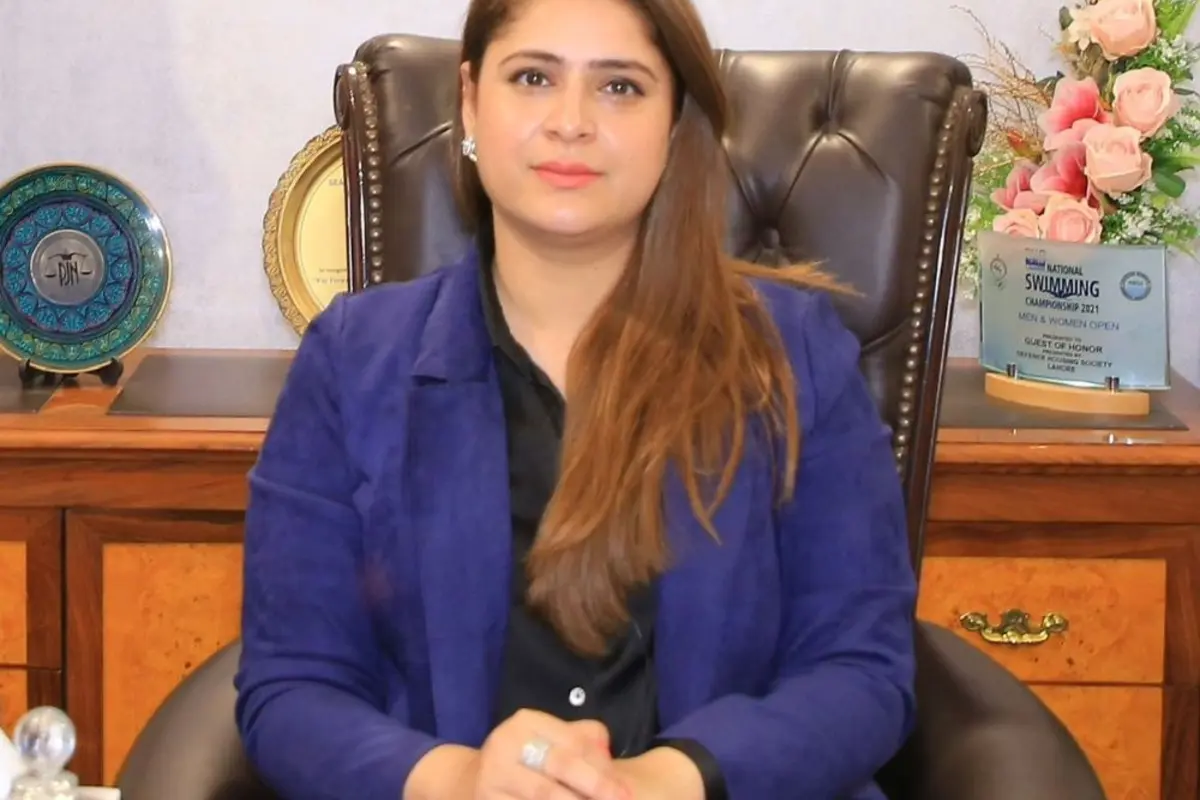
The delegation included Child Protection and Welfare Bureau Chairperson Sarah Ahmed, Secretary Human Rights Abdul Khaliq Sheikh and Director Human Rights Dr Arif. Their participation provided an opportunity for Pakistan to present its ongoing efforts while learning from protection models being implemented in other countries.
Pakistan Focuses on Stronger Child Protection
Speaking during the conference, Sarah Ahmed said Prime Minister Shehbaz Sharif and the government are taking practical steps to improve the protection of children’s rights.
She highlighted stronger legislation and effective initiatives as important priorities for the country. According to her, Pakistan is working to develop a child protection system that is more responsive to children’s needs and better equipped to address the challenges they face.
The emphasis on stronger institutions reflects the growing recognition that protecting children requires more than individual interventions. Effective laws, trained professionals, responsive institutions and coordinated government departments all have an important role in creating a safer environment for children.
Learning From International Experience
The Pakistani delegation also used the Melbourne conference to engage with international experts working in the field.
During meetings with specialists, delegates discussed different approaches to child protection, including institutional mechanisms and practical strategies that can improve the delivery of services. The discussions allowed Pakistan to examine how other countries organize their protection systems and respond to risks faced by children.
International cooperation can be particularly valuable because countries often encounter similar challenges despite having different legal and social systems. Sharing successful approaches can help governments identify practical solutions and adapt them to their own circumstances.
The delegation reviewed global models designed to improve institutional capacity and strengthen safeguards for children. Such exchanges can contribute to the development of policies that are more effective at both the national and local levels.
Why Strong Protection Systems Matter
Children depend on families, communities and public institutions for safety and support. When protection systems are weak or poorly coordinated, vulnerable children can face greater risks and may struggle to access the assistance they need.
A strong child protection framework can help governments identify risks earlier, respond to cases more effectively and ensure that children receive appropriate support.
Legislation is one part of that process, but laws need effective implementation. Government agencies must have sufficient resources, trained personnel and clear procedures for handling cases involving children.
Coordination between departments is also important. Human rights institutions, welfare agencies, law enforcement bodies, schools and healthcare providers may all become involved when a child’s safety is at risk. Effective communication between these institutions can prevent cases from falling through administrative gaps.
Pakistan’s International Engagement
Pakistan’s participation in the Melbourne conference also demonstrates the country’s willingness to engage with the international community on children’s rights.
Global conferences provide governments with opportunities to compare policies, discuss emerging challenges and establish professional networks. For Pakistan, these discussions can help strengthen domestic approaches by identifying practices that have worked in other countries.
The meetings held by the delegation are particularly important because international expertise can complement national policymaking. Experts from different countries can offer insights into institutional reforms, prevention programmes and methods for improving services for vulnerable children.
At the same time, Pakistan can share its own experiences and challenges with international partners.
Turning Commitments Into Action
The effectiveness of child protection policies ultimately depends on how successfully they are implemented.
Pakistan’s stated focus on stronger legislation and practical initiatives will therefore need to be supported by consistent implementation across institutions. Policies must reach children and families at the community level rather than remaining limited to official programmes or legislative documents.
Building institutional capacity can also help authorities respond more quickly and professionally. Training officials, improving case-management systems and strengthening coordination could make protection services more accessible and effective.
The exchange of international best practices discussed in Melbourne may provide useful ideas for achieving these goals.
A Continued Commitment to Children’s Rights
Pakistan’s participation in the Global Conference on Child Protection comes at a time when governments around the world are examining how to make protection systems more effective and responsive.
The country’s delegation used the event to highlight government initiatives while engaging with international experts on possible improvements. The discussions emphasized the importance of legislation, institutional capacity and practical mechanisms in safeguarding children’s rights.
For Pakistan, the next challenge will be translating international discussions into meaningful improvements at home. Continued investment in child protection, stronger institutions and effective implementation can help create safer environments where children can grow, learn and develop with greater security.
The Melbourne conference has therefore provided Pakistan with both an international platform and an opportunity to learn from global experience. Turning those lessons into sustained action could be an important step toward strengthening the country’s child rights and welfare system.