The Pakistan textile sector has warned that a nationwide transporters’ strike could seriously disrupt textile production and export shipments, urging Prime Minister Shehbaz Sharif to intervene and help resolve the deadlock between the government and transport operators. Industry representatives say the continued disruption is already affecting the movement of raw materials, export containers and cotton supplies across the country.
The strike began on August 8 after negotiations between goods transporters, oil tanker operators and the government failed to produce an agreement. Transporters are demanding changes to several government measures, including the daily adjustment of diesel prices, increased toll taxes and withholding tax rates.
Textile Industry Faces Supply Chain Disruption
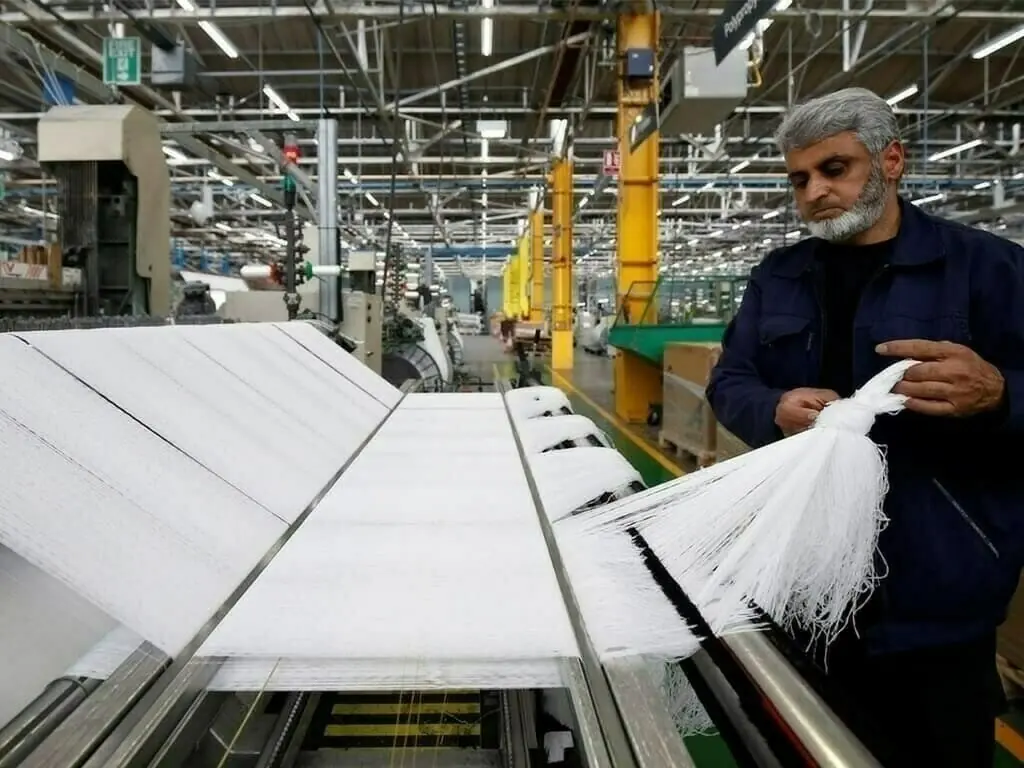
The Pakistan textile sector depends heavily on road transportation to move raw materials from ports and local markets to textile mills. Finished products must also be transported from factories to ports in time to meet international shipping schedules.
The All Pakistan Textile Mills Association (APTMA) has warned that the strike is creating problems at several points in this supply chain. Export containers are reportedly unable to move normally, while imported cotton remains delayed at ports. Local cotton supplies are also facing difficulties reaching mills.
APTMA said the timing of the disruption is particularly concerning because cotton stocks at many mills are already low toward the end of the season. If supplies cannot reach factories on time, mills could face interruptions in production.
Such disruptions could eventually affect export deliveries, employment and Pakistan’s foreign exchange earnings.
Transporters Present Several Demands
The nationwide strike followed unsuccessful negotiations between transport representatives and the government.
Transporters have demanded that the government withdraw its decision to determine diesel prices on a daily basis. They have also called for the recent increase in toll taxes to be reversed and for toll rates to return to the levels that existed on June 30, 2024.
Another major demand concerns withholding tax, with transport operators seeking a reduction from 7% to 2%.
The industry maintains that rising operating costs have placed considerable pressure on transport businesses. However, the continuing strike is now creating difficulties for other sectors that rely on road freight.
For the Pakistan textile sector, uninterrupted transportation is particularly important because production and exports operate according to strict schedules.
Textile Council Seeks Prime Minister’s Intervention
The Pakistan Textile Council (PTC) has also raised concerns over the impact of the strike.
PTC Chairman Fawad Anwar said the disruption was affecting the movement of raw materials and export consignments throughout the country. In a letter to Prime Minister Shehbaz Sharif, the council urged the government to bring transport representatives and relevant authorities together to find an early solution.
The council acknowledged that the transporters’ demands involve multiple government departments and levels of administration. However, it warned that the economic cost of the deadlock could increase with every additional day of disruption.
The PTC stressed that textile manufacturers need reliable transportation to receive imported and locally sourced inputs and to deliver finished goods to ports.
Risk to Export Shipments
The Pakistan textile sector is one of the country’s most important export-oriented industries. Any prolonged interruption in cargo movement could therefore have consequences beyond individual factories.
According to Pakistan Bureau of Statistics data, textile exports increased marginally by 0.26% during July-June 2025-26, reaching $17.93 billion compared with $17.88 billion in the previous fiscal year.
With export growth already relatively limited, industry representatives are concerned that logistical problems could place additional pressure on manufacturers and exporters.
Delays in shipping containers can result in missed vessel schedules, additional storage costs and financial losses. For exporters competing in international markets, delivery delays can also affect relationships with overseas buyers.
Production Could Be Affected
One of the biggest concerns is the availability of cotton.
Textile mills require a continuous supply of cotton and other materials to maintain production. If trucks remain unavailable, imported cotton could remain at ports while locally purchased cotton may not reach factories.
The Pakistan textile sector has warned that mills could eventually reduce or interrupt operations if the shortage continues.
The impact could extend to workers and supporting industries. Textile production involves a large network of businesses, including spinning, weaving, dyeing, processing, garment manufacturing and logistics. Disruption at one stage can create problems throughout the wider supply chain.
Need for an Early Resolution
Industry bodies have called for immediate government action to prevent the situation from worsening.
A negotiated settlement between transport operators and the government could help restore the movement of cargo while addressing the concerns that led to the strike. For exporters, restoring the flow of containers and raw materials is particularly urgent because international shipments operate according to fixed schedules.
The situation also highlights the importance of a stable and predictable transportation system for Pakistan’s export industries.
The Pakistan textile sector has already faced challenges from rising costs, international competition and changing global demand. A prolonged transport disruption would add another pressure to manufacturers trying to maintain production and export performance.
Textile industry representatives are urging Prime Minister Shehbaz Sharif to bring both sides to the negotiating table. A quick resolution could help protect factory operations, export shipments, employment and the country’s foreign exchange earnings while addressing the concerns of the transport sector.