The AJK Election Results have triggered a fresh political debate after Punjab Chief Minister Maryam Nawaz responded to Pakistan Peoples Party (PPP) Chairman Bilawal Bhutto-Zardari’s allegations regarding the first phase of the Azad Jammu and Kashmir elections. The exchange has intensified political discussions ahead of the remaining phases of the polls, with both major parties standing firmly by their respective positions.
The first phase of the Azad Jammu and Kashmir (AJK) Legislative Assembly elections concluded with unofficial and provisional results showing the Pakistan Muslim League-Nawaz (PML-N) securing nine out of 13 seats in the Mirpur Division, while the PPP won four seats. The outcome immediately became the center of political attention, with leaders from both parties presenting contrasting views on the electoral process.
Maryam Nawaz Urges PPP to Accept Defeat
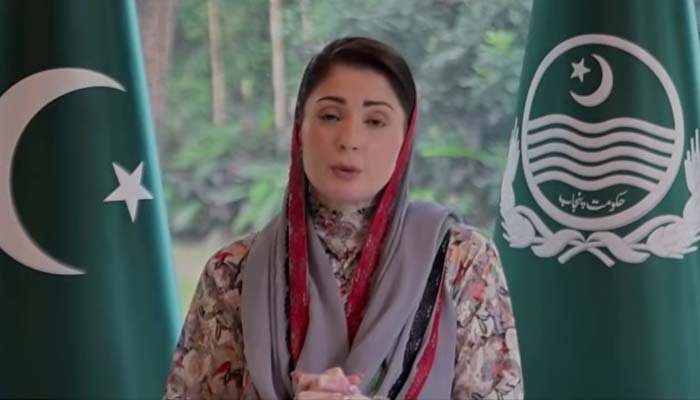
In a video statement following the announcement of the provisional results, Punjab Chief Minister Maryam Nawaz urged the PPP leadership to accept the outcome instead of making allegations of election rigging.
She stated that political parties should respect the democratic process and accept the public’s decision. According to her, blaming the election process after unfavorable results would not change the verdict delivered by voters.
Maryam Nawaz further remarked that political maturity requires accepting both victory and defeat gracefully, emphasizing that democracy becomes stronger when all stakeholders respect the electoral process.
Bilawal Bhutto Raises Questions
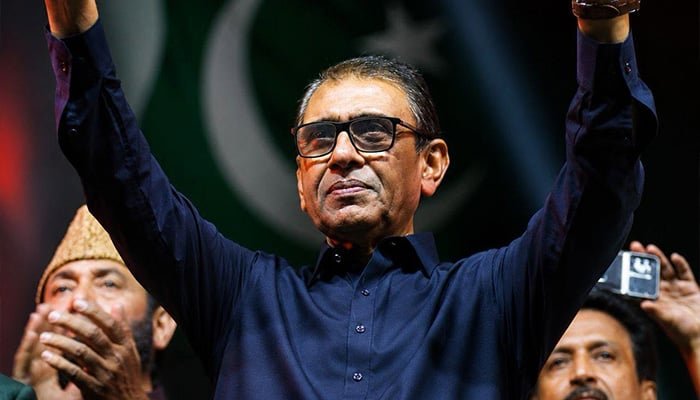
Earlier, PPP Chairman Bilawal Bhutto-Zardari criticized the conduct of the elections during a workers’ convention in Muzaffarabad.
Bilawal questioned whether the elections reflected democratic values and argued that his party had received significant public support. He also suggested that national interests should take priority over political interests, expressing concerns about the overall conduct of the polling process.
The PPP leadership maintained that the party’s candidates enjoyed widespread public backing and claimed that the results did not fully reflect the people’s expectations.
These statements have added another chapter to the ongoing political rivalry between the country’s two major parties.
First Phase Results
According to unofficial and provisional AJK Election Results, the PML-N emerged as the leading party in the first phase by winning nine constituencies across Mirpur Division.
The PPP secured victory in four constituencies, ensuring that it remains a significant political force in the region despite trailing behind its rival.
The first phase covered constituencies across Mirpur, Kotli, and Bhimber districts, where thousands of voters participated in the democratic process under extensive security arrangements.
Election authorities stated that polling was conducted with strict monitoring, although isolated incidents were reported at a small number of polling stations.
Political Importance of AJK Elections
The AJK Legislative Assembly elections carry considerable political significance because they often influence the political landscape of the region and reflect the popularity of national political parties.
For both the PML-N and the PPP, success in Azad Kashmir is viewed as an important political achievement that strengthens public confidence ahead of future electoral contests.
As a result, every phase of the elections receives close attention from political leaders, party workers, and analysts across Pakistan.
The current political debate demonstrates just how important these elections remain for all major stakeholders.
Democracy and Electoral Transparency
Whenever elections take place, transparency and public confidence become essential elements of the democratic process.
Political parties have the right to raise concerns if they believe irregularities have occurred. At the same time, election commissions and relevant institutions are responsible for investigating complaints through legal and constitutional mechanisms.
Respecting official procedures helps maintain trust in democratic institutions while ensuring that disputes are resolved peacefully.
Observers often emphasize that constructive political engagement strengthens democracy more effectively than prolonged public confrontation.
Remaining Election Phases
Although the first phase has concluded, the AJK electoral process is still ongoing.
The remaining phases of voting are expected to attract significant political attention as parties continue campaigning to secure additional seats in the Legislative Assembly.
Both the PML-N and PPP are expected to intensify their outreach efforts while presenting their development agendas to voters in the remaining constituencies.
Political analysts believe the final composition of the Assembly will depend on voter turnout and local political dynamics during the upcoming rounds of polling.
Public Focus Remains on Development
Beyond political competition, many voters remain focused on issues such as infrastructure development, healthcare, education, employment opportunities, and economic growth.
Residents of Azad Jammu and Kashmir expect the next government to prioritize public welfare and deliver meaningful improvements in governance.
Whichever party ultimately forms the government will likely face strong public expectations to fulfill campaign promises and improve the quality of life across the region.
The latest AJK Election Results have sparked an intense political exchange between the PML-N and the PPP, with Maryam Nawaz calling on the opposition to accept the election outcome while Bilawal Bhutto-Zardari continues to question the conduct of the polls.
As the remaining phases of the elections approach, political competition is expected to become even more active. Regardless of differing political viewpoints, the democratic process remains central to determining the future leadership of Azad Jammu and Kashmir.
The coming rounds of voting and the final AJK Election Results will ultimately determine the composition of the Legislative Assembly and shape the region’s political direction for the years ahead.