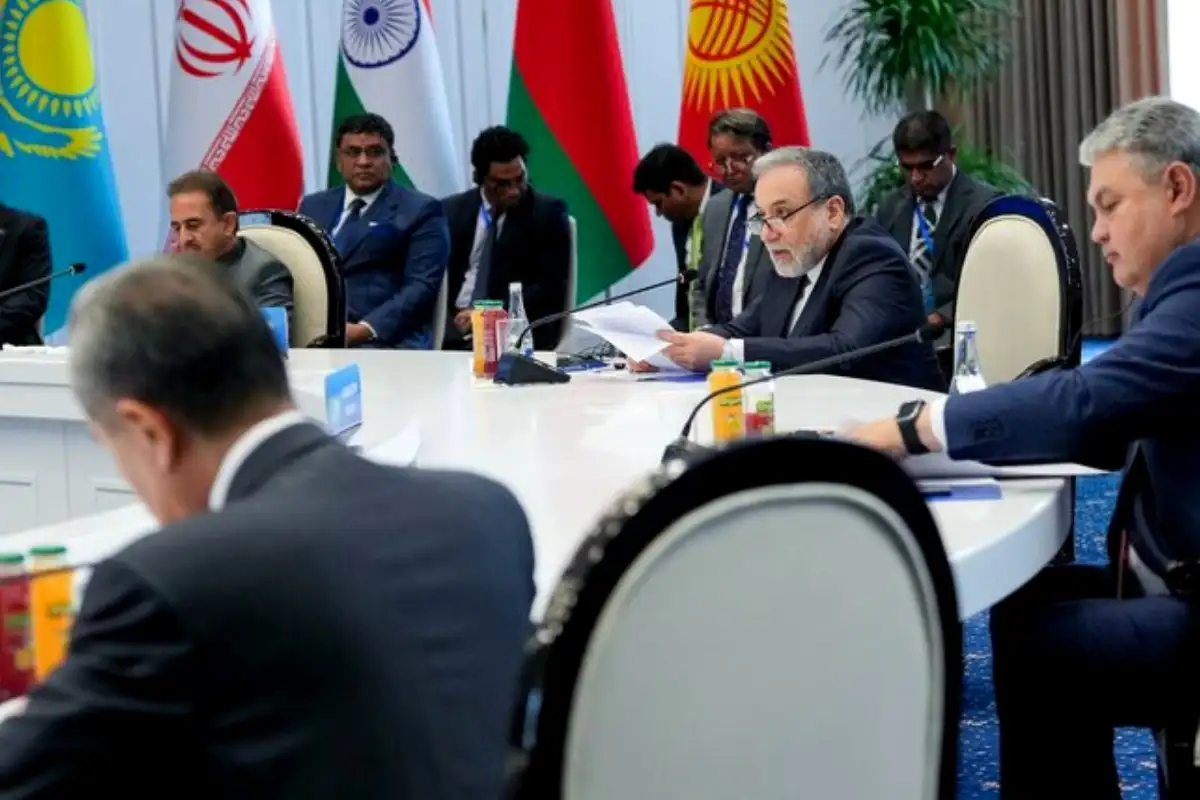
Iran SCO Speech drew significant attention as Iranian Foreign Minister Seyyed Abbas Araghchi addressed the Shanghai Cooperation Organisation (SCO), reaffirming Tehran’s commitment to diplomacy while emphasizing its right to self-defense under international law. His remarks focused on regional security, multilateral cooperation, and the need to avoid double standards in global affairs. The speech also highlighted Iran’s vision for stronger regional partnerships and a more balanced international order.
Iran Reaffirms Commitment to Diplomacy
During his address, Araghchi stated that Iran has not initiated any war and remains committed to resolving disputes through dialogue and diplomacy. He emphasized that Tehran’s foreign policy is based on peaceful engagement, good neighborly relations, and cooperation with regional countries.
The foreign minister stressed that sustainable peace cannot be achieved without respecting international law and the sovereignty of all nations. According to him, dialogue remains the preferred path for resolving conflicts, but every country also has the right to defend itself if attacked.
Emphasis on International Law
A major theme of the Iran SCO Speech was the importance of international law. Araghchi said Iran reserves the right to take necessary defensive measures under Article 51 of the United Nations Charter whenever its national security is threatened.
He argued that respecting international legal principles is essential for maintaining global stability. He also called on all countries to apply international law consistently rather than using different standards for different conflicts.
According to the Iranian foreign minister, selective application of international rules weakens trust among nations and creates further instability.
Criticism of Recent Military Actions
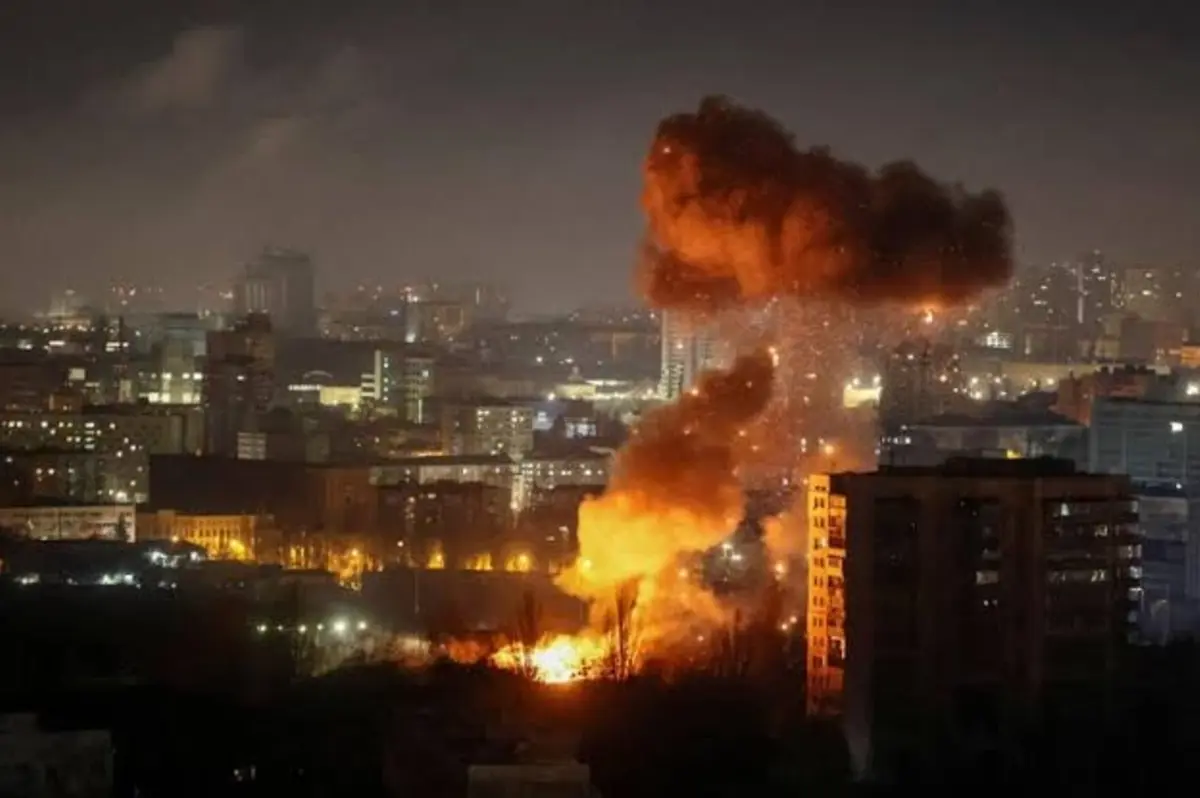
Araghchi criticized recent military actions against Iran, claiming they targeted civilian infrastructure and strategic facilities. He expressed concern over attacks on transportation networks, water facilities, commercial vessels, and economic infrastructure.
The minister also referred to strikes on Iran’s peaceful nuclear facilities, stating that such sites operate under the supervision of the International Atomic Energy Agency (IAEA). He argued that attacks on civilian infrastructure violate international norms and increase regional tensions.
While defending Iran’s position, he maintained that the country seeks stability rather than confrontation.
Regional Security Requires Cooperation
Another key message of the Iran SCO Speech was that regional security should be managed by countries within the region instead of relying on outside military involvement.
Araghchi argued that long-term peace in strategic waterways, including the Persian Gulf and the Strait of Hormuz, depends on cooperation among neighboring countries. He stated that mutual respect, dialogue, and collective responsibility provide a stronger foundation for regional stability than external intervention.
He encouraged regional governments to strengthen communication and develop shared security mechanisms that benefit all parties.
Focus on the Shanghai Cooperation Organisation
The foreign minister urged the Shanghai Cooperation Organisation to play a larger role in promoting multilateralism and protecting international law.
According to Araghchi, the SCO has the potential to become a stronger platform for cooperation among member states in political, economic, and security matters. He encouraged the organization to strengthen collaboration in areas such as trade, transportation, energy, and investment.
He also suggested expanding regional connectivity projects that could improve economic growth and strengthen ties among member countries.
Economic Cooperation and Regional Development
Economic development formed another important part of the Iran SCO Speech. Araghchi highlighted Iran’s strategic geographical position, connecting Central Asia, South Asia, West Asia, and international waters.
He said this location enables Iran to contribute significantly to regional trade, transportation networks, and energy security. Improved infrastructure and stronger economic partnerships, he argued, would benefit the entire region by increasing commercial opportunities and reducing economic barriers.
The foreign minister also encouraged SCO members to develop independent financial mechanisms that support regional trade and investment.
Views on Regional Conflicts
Araghchi also discussed broader regional issues, expressing concern over continuing conflicts in the Middle East. He criticized ongoing military operations in Lebanon and Gaza, calling for greater humanitarian support and peaceful political solutions.
He emphasized the need to protect civilians, ensure humanitarian assistance reaches affected populations, and support diplomatic efforts aimed at reducing violence.
According to the minister, lasting peace requires addressing humanitarian concerns alongside political negotiations.
Iran’s Foreign Policy Outlook
Throughout his remarks, Araghchi presented Iran’s foreign policy as one focused on diplomacy, regional dialogue, and international cooperation. While reaffirming the country’s right to defend itself, he repeatedly stressed that peaceful engagement remains Tehran’s preferred approach.
He argued that regional challenges such as economic development, security, and stability can only be addressed through cooperation rather than confrontation. Strengthening partnerships among neighboring countries, he said, is essential for creating lasting peace.
The Iran SCO Speech reflected Tehran’s continued emphasis on diplomacy, regional cooperation, and adherence to international law while reaffirming its position on national defense. Araghchi called on the Shanghai Cooperation Organisation to strengthen multilateral collaboration and promote dialogue among member states to address shared challenges.
As geopolitical tensions continue to shape international relations, Iran’s message at the SCO highlights its desire for greater regional engagement alongside its insistence on protecting national sovereignty. Whether these diplomatic efforts lead to broader cooperation will depend on continued dialogue, mutual trust, and the willingness of regional and global stakeholders to pursue peaceful solutions.