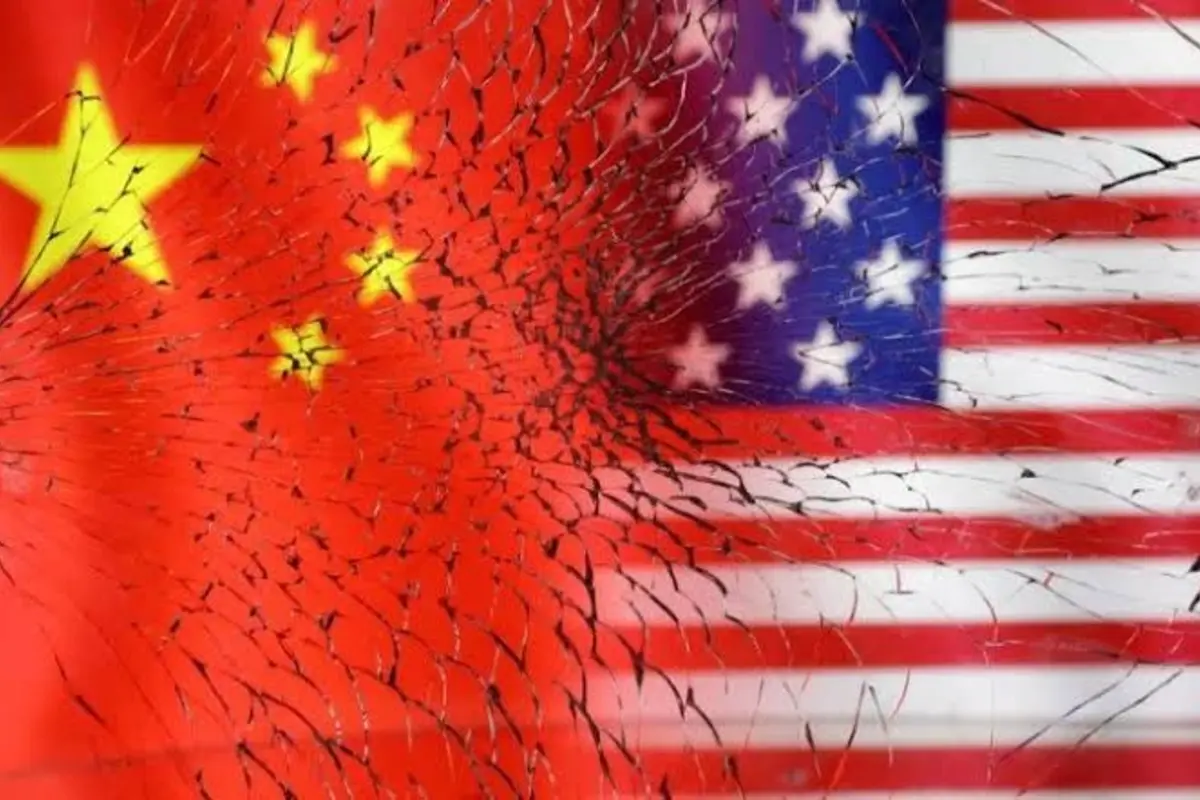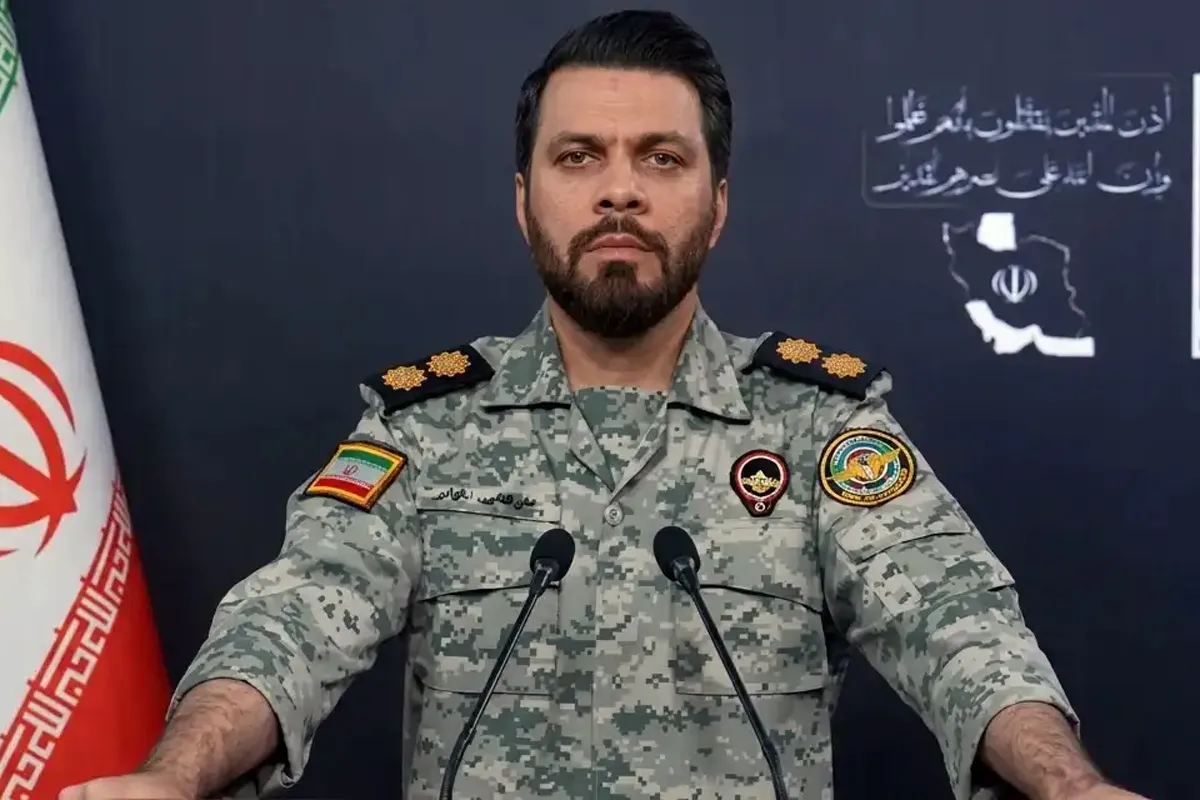
The Quds Force warning issued ahead of the funeral of Iran’s Supreme Leader Ayatollah Ali Khamenei has attracted global attention, highlighting growing tensions between Iran, Israel, and the United States. The statement, released just days before millions of mourners are expected to gather in Tehran, underscores Iran’s determination to protect one of its most significant national events while sending a strong deterrent message to potential adversaries.
The warning comes at a sensitive moment for Iran as the country manages a leadership transition and heightened regional uncertainty. Security experts believe the timing and wording of the statement reflect both military preparedness and political messaging aimed at domestic and international audiences.
Why the Warning Matters
The Quds Force warning specifically cautions Israel and the United States against carrying out any military action during the funeral ceremonies. Iranian military officials emphasized that any hostile activity during this period would be viewed as a deliberate escalation and would receive a decisive response.
Large public gatherings naturally create security concerns, especially when attended by senior government officials, military leaders, and millions of civilians. Iranian authorities appear determined to ensure that the funeral proceeds without disruption while making it clear that any external interference would have serious consequences.
Funeral Security Takes Center Stage
According to reports, millions of people are expected to participate in funeral processions across Tehran and other cities. Such large gatherings require extraordinary security arrangements to protect both participants and senior officials.
The funeral is not only a religious and national event but also an important political occasion during a period of leadership transition. As a result, security forces are expected to deploy extensive personnel, surveillance systems, and protective measures throughout the ceremonies.
The Quds Force warning reinforces the government’s message that maintaining security during the event remains a top priority.
Strategic Message to International Rivals
Beyond immediate security concerns, the statement also serves as strategic communication aimed at Iran’s regional rivals.
Military analysts suggest that the warning is designed to discourage any military or intelligence operations that could exploit the temporary vulnerability created by massive public gatherings. By issuing the warning publicly, Iran signals that any attack would be interpreted as intentional rather than accidental.
This type of communication is common in international security affairs, where governments seek to reduce the likelihood of conflict by clearly outlining potential consequences before tensions escalate.
Domestic Reassurance During Leadership Transition
The Quds Force warning also carries important domestic significance.
Periods of political transition often create uncertainty among the public and within state institutions. By issuing a firm statement, Iran’s military leadership aims to demonstrate unity, stability, and readiness despite changes in national leadership.
The message reassures citizens that security agencies remain fully operational and capable of protecting national interests during a sensitive period.
Such public displays of military confidence are frequently used to strengthen internal morale and reinforce confidence in state institutions.
Regional Tensions Continue
Relations between Iran, Israel, and the United States have remained strained for years due to disagreements over regional security, military operations, and broader geopolitical issues.
Recent years have witnessed numerous incidents involving military strikes, cyber operations, intelligence activities, and diplomatic disputes. These events have contributed to an atmosphere of heightened suspicion among all parties.
Against this backdrop, the current warning reflects Iran’s broader strategy of maintaining deterrence while signaling readiness to respond if it perceives its security has been threatened.
The Role of Deterrence
Deterrence remains one of the most important concepts in modern international relations.
Rather than encouraging conflict, deterrence seeks to prevent military action by convincing potential adversaries that the costs of aggression would outweigh any possible benefits.
The Quds Force warning follows this principle by communicating that any hostile action during the funeral would trigger a significant response. Whether such warnings influence decision-making cannot always be measured directly, but they remain a common feature of international security policy.
Security Beyond the Funeral
While the immediate focus remains on the funeral ceremonies, the broader security environment will likely remain under close observation even after the event concludes.
Regional governments, intelligence agencies, and international observers are expected to continue monitoring developments closely as Iran enters a new political phase.
Security experts believe maintaining stability during this transition will be an important priority for Iranian authorities, both domestically and internationally.
International Attention
The funeral and surrounding security measures have attracted significant international attention due to Iran’s influence in regional politics.
Governments around the world are closely watching developments, recognizing that any unexpected military incident could affect diplomatic relations, regional stability, and global energy markets.
As a result, careful communication from all parties remains essential to avoiding misunderstandings or unintended escalation.
The recent Quds Force warning reflects Iran’s effort to safeguard a major national event while reinforcing its broader security posture during a period of political transition. By issuing a clear public message, Iranian authorities aim to deter potential military action, reassure the domestic population, and signal continued readiness despite leadership changes.
Although the coming days will be closely monitored by the international community, many analysts believe that maintaining restraint and open communication remains the best path toward avoiding unnecessary escalation. The funeral ceremonies will therefore serve not only as a moment of national remembrance but also as an important test of regional stability during a highly sensitive period.