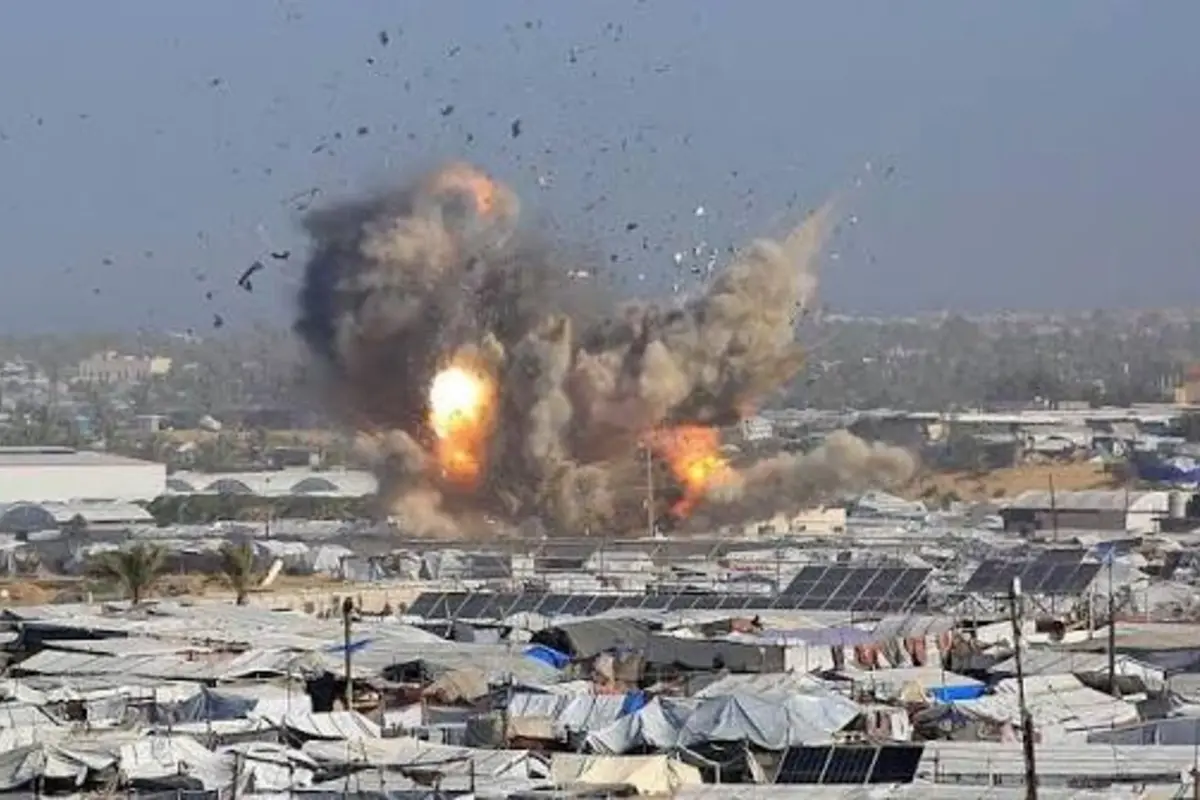
The Gaza Ceasefire Violation has once again drawn international attention after Palestinian media reported that several people were killed and injured in separate drone strikes in Gaza City. According to local reports, the incidents occurred despite a ceasefire that has remained in place since October 2025. The latest developments have renewed concerns about regional stability, civilian safety, and the fragile nature of peace efforts in the conflict-affected territory.
As tensions continue to rise, humanitarian organizations and international observers are closely monitoring the situation, calling for restraint and the protection of civilians.
Reported Drone Strikes in Gaza City
According to Palestinian media reports, one of the strikes targeted a residential area in the Sheikh Radwan neighborhood near Dar al-Arqam School in Gaza City.
Local sources stated that several civilians were present in the area when the drone strike occurred. Medical teams responded quickly to the scene, transporting the injured to nearby hospitals for emergency treatment.
Health officials reported multiple casualties, while some victims were said to be in critical condition.
A separate incident was also reported in central Gaza City, where another drone strike reportedly resulted in the death of a Palestinian man near Municipal Park on Omar al-Mukhtar Street.
At the time of reporting, there was no immediate official response regarding these incidents from Israeli authorities.
Ceasefire Under Pressure
The reported Gaza Ceasefire Violation has intensified concerns about the durability of the current ceasefire agreement.
Ceasefires are intended to reduce violence, protect civilian lives, and create space for diplomatic dialogue. However, isolated military incidents can quickly undermine trust between opposing sides and increase the risk of further escalation.
Whenever allegations of ceasefire violations emerge, both regional and international stakeholders closely examine the circumstances to prevent wider conflict.
Maintaining stability remains a significant challenge in an environment where tensions have persisted for decades.
Humanitarian Impact
The humanitarian situation in Gaza remains one of the world’s most closely watched crises.
Repeated periods of conflict have placed enormous pressure on healthcare facilities, infrastructure, and essential public services.
Every reported incident increases concerns for civilians who continue living under uncertain conditions.
Medical teams often face significant challenges responding to emergencies, particularly when healthcare systems are already operating under strain.
International humanitarian organizations continue emphasizing the importance of protecting civilian populations regardless of ongoing political or military disputes.
Calls for Restraint
Following reports of the latest Gaza Ceasefire Violation, many observers have renewed calls for all parties to exercise maximum restraint.
Diplomatic efforts generally focus on preventing further violence while encouraging dialogue that can preserve existing ceasefire arrangements.
Peace agreements require continuous commitment from all sides to remain effective.
Even isolated incidents can complicate negotiations and reduce confidence in future diplomatic initiatives.
International mediators often work behind the scenes to reduce tensions before situations escalate further.
Importance of Civilian Protection
One of the central principles of international humanitarian law is the protection of civilians during armed conflicts.
Residential neighborhoods, schools, hospitals, and public spaces remain particularly sensitive areas where civilian safety must receive priority.
Whenever incidents occur in populated areas, humanitarian agencies stress the importance of minimizing risks to non-combatants.
Protecting civilian lives remains essential for maintaining international confidence in conflict management efforts.
It also contributes to creating conditions necessary for long-term peace and stability.
Regional Implications
The Gaza Ceasefire Violation carries implications beyond the immediate conflict zone.
Developments in Gaza often influence broader regional security, diplomatic relations, and humanitarian responses throughout the Middle East.
Neighboring countries, international organizations, and global powers frequently monitor such incidents closely because renewed instability can have wider political and economic consequences.
Regional peace efforts depend heavily on preventing localized violence from expanding into larger confrontations.
Ongoing Need for Dialogue
Despite repeated periods of violence, diplomatic dialogue remains widely viewed as the most sustainable path toward lasting peace.
Negotiations, confidence-building measures, humanitarian cooperation, and international mediation continue playing important roles in reducing tensions.
While political disagreements remain complex, maintaining open communication channels helps lower the risk of prolonged conflict.
Ceasefire agreements often represent the first step toward broader discussions addressing security, humanitarian concerns, and long-term political solutions.
International Attention
The international community continues paying close attention to developments in Gaza.
Human rights organizations, humanitarian agencies, and diplomatic missions regularly assess conditions on the ground while encouraging respect for international law.
Independent investigations into reported incidents are often requested whenever civilian casualties occur during periods covered by ceasefire agreements.
Accurate information and transparent reporting remain essential for building trust and supporting future diplomatic initiatives.
The reported Gaza Ceasefire Violation has once again highlighted the fragile security situation in Gaza and the ongoing challenges facing regional peace efforts. Reports of civilian casualties, injuries, and renewed military activity underscore the importance of protecting non-combatants while preserving existing ceasefire agreements.
As international attention remains focused on the region, diplomatic engagement, humanitarian assistance, and continued dialogue will remain essential for reducing tensions and preventing further escalation. Sustainable peace requires consistent commitment from all parties, with civilian safety remaining at the center of every effort toward long-term stability.