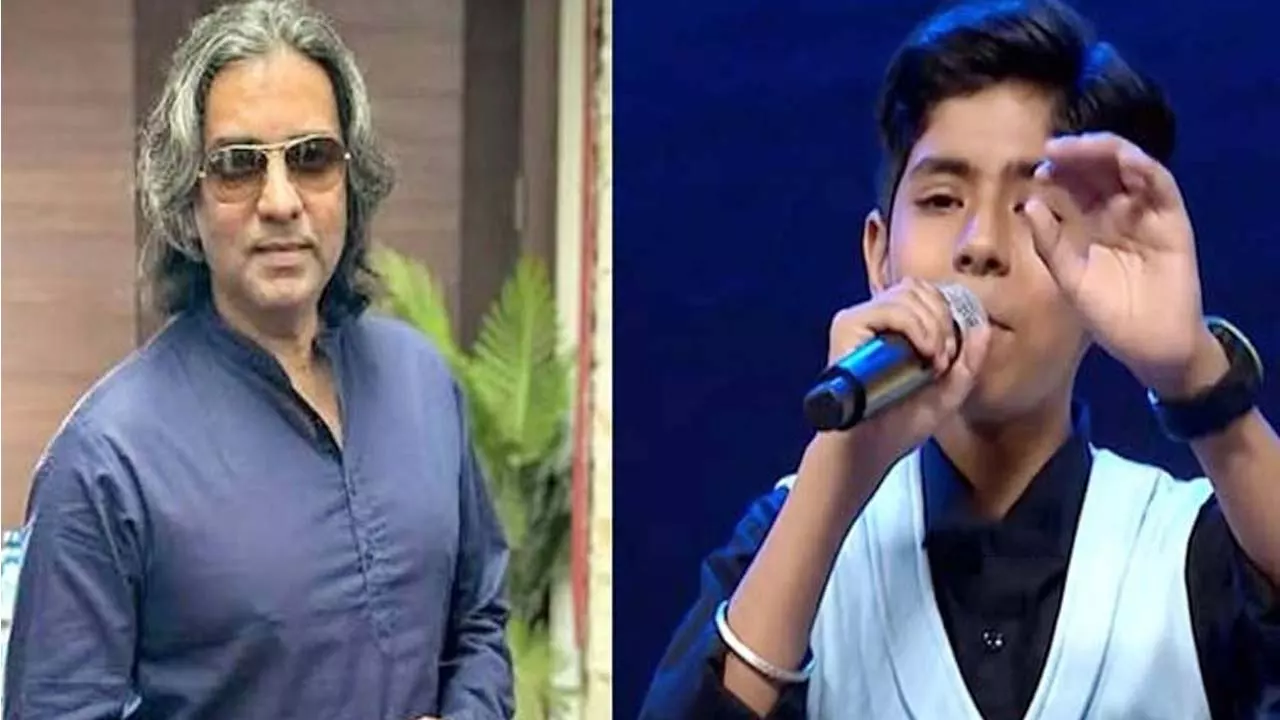
The Sajjad Ali Songs once again became the center of attention after one of his most beloved tracks, Ravi, was performed on an Indian reality show. The performance quickly gained traction on social media, where many users questioned whether proper permission had been obtained before using the legendary singer’s music. The discussion grew even stronger after another contestant performed a popular song by Pakistani singer Asim Azhar, leading to renewed conversations about music copyrights and the cross-border use of Pakistani songs.
The debate highlights not only the lasting popularity of Pakistani music but also the growing importance of intellectual property rights in today’s entertainment industry.
Sajjad Ali’s Lasting Musical Legacy
For more than four decades, Sajjad Ali has remained one of Pakistan’s most respected and influential musicians.
Known for his distinctive voice, meaningful lyrics, and timeless compositions, he has created songs that continue to resonate with audiences of all generations. Tracks like Babia, Ravi, and several others have become classics in Pakistani music history.
His ability to blend traditional melodies with modern musical arrangements has helped him maintain a loyal fan base throughout his career.
The continued popularity of Sajjad Ali Songs demonstrates the lasting appeal of quality music that transcends time.
Performance on an Indian Reality Show
The recent discussion began when a young contestant performed Sajjad Ali’s famous song Ravi during an episode of the Indian singing competition Punjab Master Champs.
The performance was appreciated by many viewers who admired the contestant’s vocal ability and praised the beauty of the original composition.
However, alongside the positive reactions, many social media users questioned whether the show’s producers had received formal authorization to perform the song publicly.
These questions soon became the main focus of online discussions.
Asim Azhar’s Song Also Draws Attention
The conversation expanded further when another contestant on the same program performed a well-known song by Pakistani singer Asim Azhar.
As a result, the discussion shifted beyond a single performance and began addressing the broader issue of Pakistani songs being featured on international television programs.
Many music fans welcomed the recognition of Pakistani artists on global platforms, while others emphasized the importance of respecting copyright laws regardless of the country’s origin.
Copyright in the Music Industry
The debate surrounding Sajjad Ali Songs has brought renewed attention to copyright protection within the entertainment industry.
Copyright gives creators legal control over how their music is reproduced, distributed, performed, and commercially used.
In many cases, television channels, streaming services, and event organizers are required to obtain proper licenses before publicly performing copyrighted material.
These legal requirements help ensure that artists receive appropriate recognition and compensation for their creative work.
Sajjad Ali’s Previous Stand on Music Rights
This is not the first time Sajjad Ali has been associated with discussions about music rights.
Several years ago, he reportedly declined permission for his songs to be used on a Pakistani singing reality show.
As a result, contestants were unable to perform his music during the competition.
That earlier decision reflected his careful approach toward protecting his artistic work and maintaining control over how his music is presented.
Because of this history, many fans naturally raised similar questions following the recent performance on Indian television.
Social Media Reactions
Online users expressed a wide range of opinions following the broadcast.
Some argued that Pakistani music receiving international exposure should be viewed positively because it introduces talented artists to larger audiences.
Others maintained that artistic appreciation should always be accompanied by proper licensing and respect for intellectual property rights.
Many users pointed out that copyright protection benefits creators by encouraging continued investment in original music.
The discussion remained focused on legal and ethical considerations rather than the quality of the performances themselves.
Cross-Border Popularity of Pakistani Music
Pakistani music has long enjoyed popularity beyond national borders.
Songs by Pakistani artists frequently gain audiences across South Asia through television, streaming platforms, and social media.
Many singers have built international fan communities thanks to the universal appeal of their music.
The continued interest in Sajjad Ali Songs demonstrates how artistic works can connect listeners regardless of geography or language.
This growing international appreciation also highlights the need for stronger collaboration between music industries regarding licensing and copyright management.
Importance of Respecting Creative Rights
Artists devote years of effort to writing, composing, recording, and producing original music.
Protecting those creative efforts through copyright laws helps maintain a healthy entertainment industry where musicians receive recognition and financial support for their work.
Whether music is performed on television, streamed online, or used in public events, obtaining the necessary permissions strengthens trust between artists and media organizations.
Respecting intellectual property ultimately benefits creators, performers, and audiences alike.
The recent performance of Sajjad Ali Songs on an Indian reality show has sparked an important conversation about music copyright, artistic recognition, and international licensing practices. While many fans appreciated hearing Pakistani music on a larger platform, others emphasized the importance of ensuring proper permissions are obtained before publicly performing copyrighted works.
As Pakistani music continues gaining global recognition, balancing artistic appreciation with respect for creators’ rights will remain essential. By honoring copyright laws while celebrating musical talent, the entertainment industry can continue promoting cultural exchange in a fair and responsible manner.