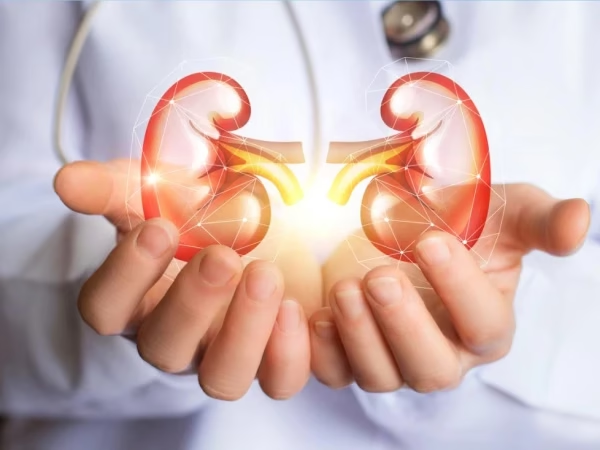
The kidney disease symptoms are often subtle in the beginning, but they play a crucial role in identifying kidney problems before they become severe. Understanding kidney disease symptoms early can help prevent long-term damage, reduce complications, and improve overall health outcomes through timely medical intervention.
Kidneys are vital organs responsible for filtering waste, balancing fluids, and maintaining essential mineral levels in the body. When they start to malfunction, the body begins to show warning signs that should not be ignored.
Why Early Detection Matters
One of the biggest challenges with kidney-related illnesses is that kidney disease symptoms often do not appear in the early stages. Many people may not realize there is a problem until significant damage has already occurred.
Medical experts emphasize that early detection is key because kidney damage is often irreversible. Recognizing kidney disease symptoms early allows patients to seek treatment, manage underlying conditions, and slow disease progression.
Changes in Urination
One of the earliest and most common kidney disease symptoms involves changes in urination patterns. These changes may include:
- Frequent urination, especially at night
- Foamy or bubbly urine
- Blood in the urine
- Difficulty or pain while urinating
Such changes can indicate that the kidneys are struggling to properly filter waste and maintain fluid balance in the body.
Swelling in the Body
Swelling is another noticeable group of kidney disease symptoms. When kidneys fail to remove excess fluid, it accumulates in the body, leading to:
- Swelling in feet and ankles
- Puffiness around the eyes
- Swelling in hands or face
This fluid retention is often a sign that kidney function is declining and requires medical evaluation.
Fatigue and Weakness
Persistent tiredness is one of the most overlooked kidney disease symptoms. When kidneys are not functioning properly, toxins build up in the bloodstream, which can lead to anemia and reduced oxygen delivery in the body.
As a result, patients may feel constantly tired, weak, and unable to perform daily activities efficiently. This fatigue is not just normal exhaustion—it can be a warning sign of kidney dysfunction.
Skin Problems and Itching
Skin-related issues are also among the kidney disease symptoms that many people ignore. These may include:
- Persistent itching
- Dry or flaky skin
- Skin rashes
These symptoms occur when waste products accumulate in the blood and are not properly filtered out by the kidneys.
Nausea, Vomiting, and Appetite Loss
Digestive issues can also be part of kidney disease symptoms. When toxins build up in the body, they affect the digestive system, leading to:
- Nausea
- Vomiting
- Loss of appetite
- Bad breath
- Feeling of fullness even without eating much
These signs often indicate that kidney function has significantly declined.
Muscle Cramps and Pain
Muscle-related discomfort is another important category of kidney disease symptoms. Patients may experience:
- Frequent leg cramps
- Muscle pain or weakness
- Spasms due to mineral imbalance
This happens when kidney dysfunction disrupts levels of calcium, potassium, and other essential minerals in the body.
Main Causes of Kidney Disease
Doctors highlight that diabetes and high blood pressure are the leading causes behind chronic kidney problems. These conditions gradually damage kidney blood vessels and reduce their ability to filter waste effectively.
Because of this, individuals with diabetes or hypertension are at higher risk and should be especially alert to kidney disease symptoms.
When to See a Doctor
Health experts strongly advise seeking medical attention if any kidney disease symptoms persist. Simple tests such as urine analysis and blood tests can help detect kidney issues early.
Regular checkups are especially important for high-risk individuals, as early intervention can significantly slow disease progression.
The kidney disease symptoms discussed above should never be ignored, as they often signal underlying kidney dysfunction. From changes in urination to fatigue and swelling, these warning signs can help identify problems early.
By staying aware and seeking timely medical advice, individuals can protect their kidney health and prevent serious complications in the future.