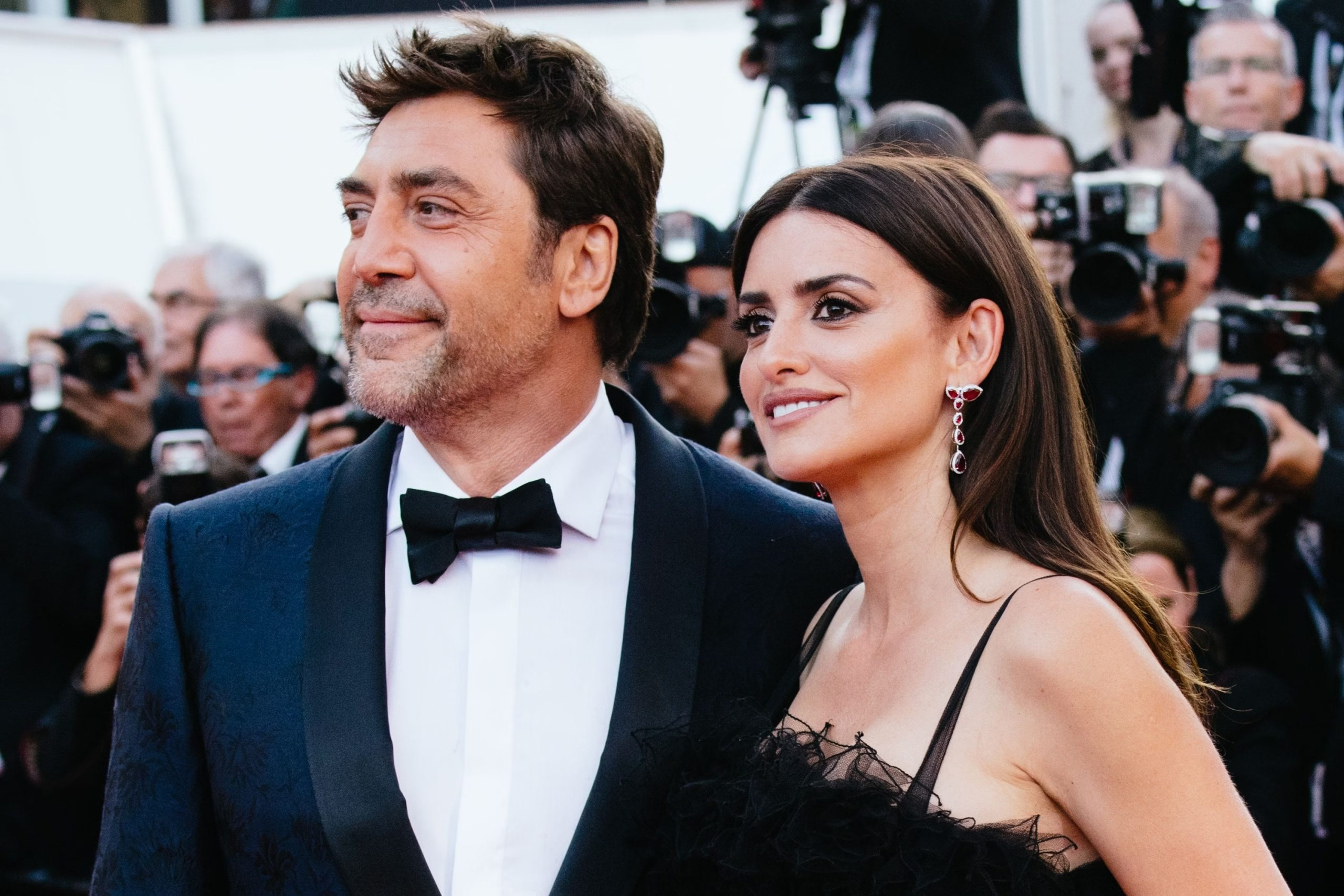
Javier Bardem has once again become a major topic of discussion after reports suggested that his outspoken views on the Gaza conflict may be affecting his career opportunities in Hollywood. The growing conversation around Javier Bardem Palestine support has triggered debate across the entertainment industry, with supporters praising his stance while critics question the impact political activism can have on professional careers.
The Oscar-winning Spanish actor has consistently spoken publicly about humanitarian concerns related to the ongoing Israel-Palestine conflict. Over the years, Bardem has built a reputation not only as a respected performer but also as a celebrity willing to address global political and social issues openly.
The latest attention surrounding Javier Bardem Palestine support intensified after the actor appeared at the 2026 Academy Awards wearing an anti-war patch alongside a pro-Palestine pin on his suit. Before presenting the award for Best International Feature Film with Priyanka Chopra, Bardem publicly declared, “No to war and free Palestine.”
The moment quickly spread across social media platforms and international news outlets, generating strong reactions from both supporters and critics. Many praised Bardem for using a globally watched platform to express concern over humanitarian suffering, while others argued that political statements at entertainment events remain controversial.
In a recent interview during a film awards ceremony, Bardem acknowledged that his public position may have affected his opportunities in Hollywood. Discussing the impact of Javier Bardem Palestine support, the actor suggested that some projects and endorsement opportunities were no longer available to him because of his outspoken comments.
Bardem compared his situation to that of Susan Sarandon, another prominent Hollywood figure who previously claimed she experienced professional consequences after attending a pro-Palestine rally in 2023. The comparison has fueled broader discussions about freedom of expression within the entertainment industry.
Despite the reported setbacks, Bardem appeared unconcerned during the interview. He explained that because he is based primarily in Spain and works internationally, he is not entirely dependent on Hollywood studios for his career. His comments suggested that he remains committed to expressing his views regardless of professional risks.
The growing attention surrounding Javier Bardem Palestine support reflects a larger trend in the global entertainment industry where actors, musicians, and public figures increasingly use their platforms to speak about political and humanitarian issues. Social media has amplified celebrity influence, allowing statements made during interviews or public appearances to reach millions of people instantly.
At the same time, public activism by celebrities often creates controversy. Some audiences expect entertainers to remain neutral, while others believe influential public figures have a responsibility to speak out on important global issues. This divide has become particularly visible during discussions about conflicts and human rights concerns.
Hollywood itself has long faced criticism regarding political polarization and industry pressure. Some actors claim expressing certain political views can affect casting decisions, endorsements, or public relationships with studios and agencies. Others argue that celebrities continue to enjoy freedom of speech and remain capable of pursuing successful careers regardless of political opinions.
The conversation around Javier Bardem Palestine support also highlights how international actors sometimes navigate the entertainment industry differently from US-based celebrities. Bardem has maintained a strong career in both European and international cinema, giving him flexibility beyond traditional Hollywood structures.
Known for award-winning performances in films such as No Country for Old Men, Biutiful, and Skyfall, Bardem has earned widespread recognition for his acting range and screen presence. His established international reputation may provide him with opportunities outside major US studio systems.
Supporters of Bardem argue that artists should not face professional consequences for advocating humanitarian causes. Many social media users praised his willingness to maintain his position despite possible backlash. Others see his comments as part of a wider push by public figures calling attention to civilian suffering during conflicts.
Critics, however, believe political statements from celebrities can divide audiences and complicate the entertainment industry’s efforts to remain commercially neutral. Some argue that actors risk alienating fans, brands, or investors when taking public positions on highly sensitive geopolitical matters.
The broader discussion surrounding Javier Bardem Palestine support also reflects increasing tensions between activism, business interests, and media influence. Entertainment companies today operate within a global digital environment where political controversies can quickly affect public perception, sponsorship deals, and online discourse.
Industry analysts note that modern celebrities often face more pressure than ever before to define their public positions on international events. Silence itself can become controversial, while speaking out may lead to criticism from opposing groups.
Bardem’s comments have therefore become part of a larger debate about freedom of expression in the entertainment world. Questions surrounding artistic independence, political activism, and professional consequences continue to shape conversations across Hollywood and international cinema.
As discussions continue online, Javier Bardem Palestine support remains a major topic among fans, media commentators, and industry observers. Whether or not his activism significantly affects his Hollywood career in the long term, the situation highlights the growing intersection between global politics and celebrity culture.
Bardem appears determined to continue expressing his views openly. His stance demonstrates how public figures increasingly navigate complex global conversations while balancing career considerations, audience expectations, and personal convictions in an industry constantly shaped by public opinion and media attention.