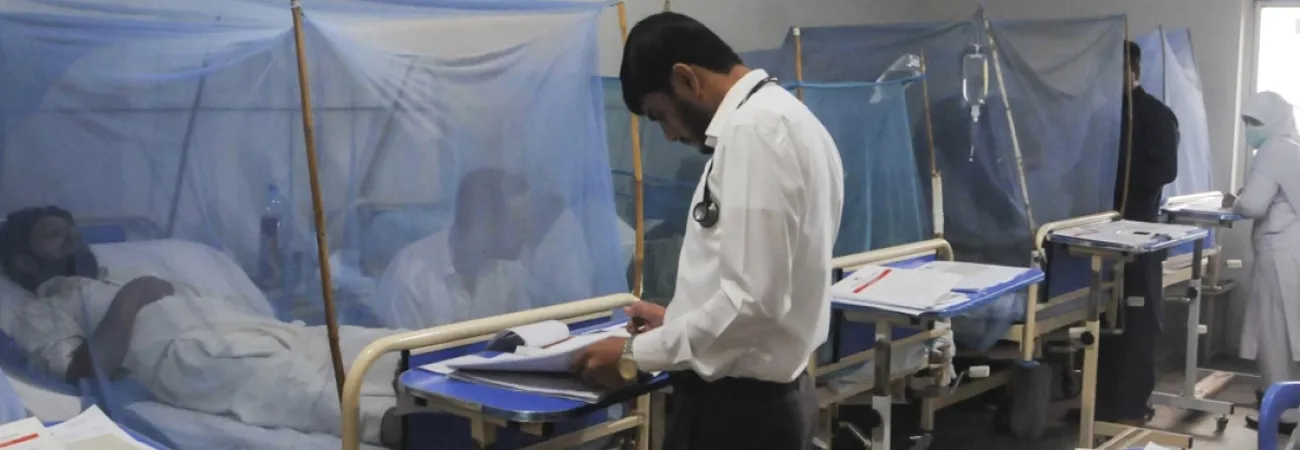
World Health Organization has issued a warning to countries worldwide after new concerns emerged regarding the recent Hantavirus outbreak linked to the MV Hondius vessel. The situation has drawn international attention as health authorities continue monitoring passengers and crew members while researchers work to better understand the virus and prevent further spread.
WHO Director-General Tedros Adhanom Ghebreyesus addressed the situation during a press conference in Madrid, emphasizing the importance of following global health guidelines. He urged governments and medical authorities to remain prepared for additional cases in the coming weeks due to the virus’s relatively long incubation period.
The developing Hantavirus outbreak has raised concerns because health officials are still investigating how the virus spread onboard the ship and whether additional infections may emerge later. While the WHO stated that there is currently no strong evidence suggesting the beginning of a much larger global outbreak, authorities remain cautious and continue monitoring high-risk contacts closely.
According to health officials, precautionary measures include a recommended 42-day quarantine period and continuous observation of individuals who may have been exposed. Spain has been praised by the WHO for its rapid response, coordination efforts, and medical support provided to passengers and crew connected to the affected vessel.
The Hantavirus outbreak has also highlighted the importance of international cooperation during potential health emergencies. Spain’s handling of the situation, including medical monitoring and containment efforts, has been recognized as an example of quick public health action aimed at reducing further transmission risks.
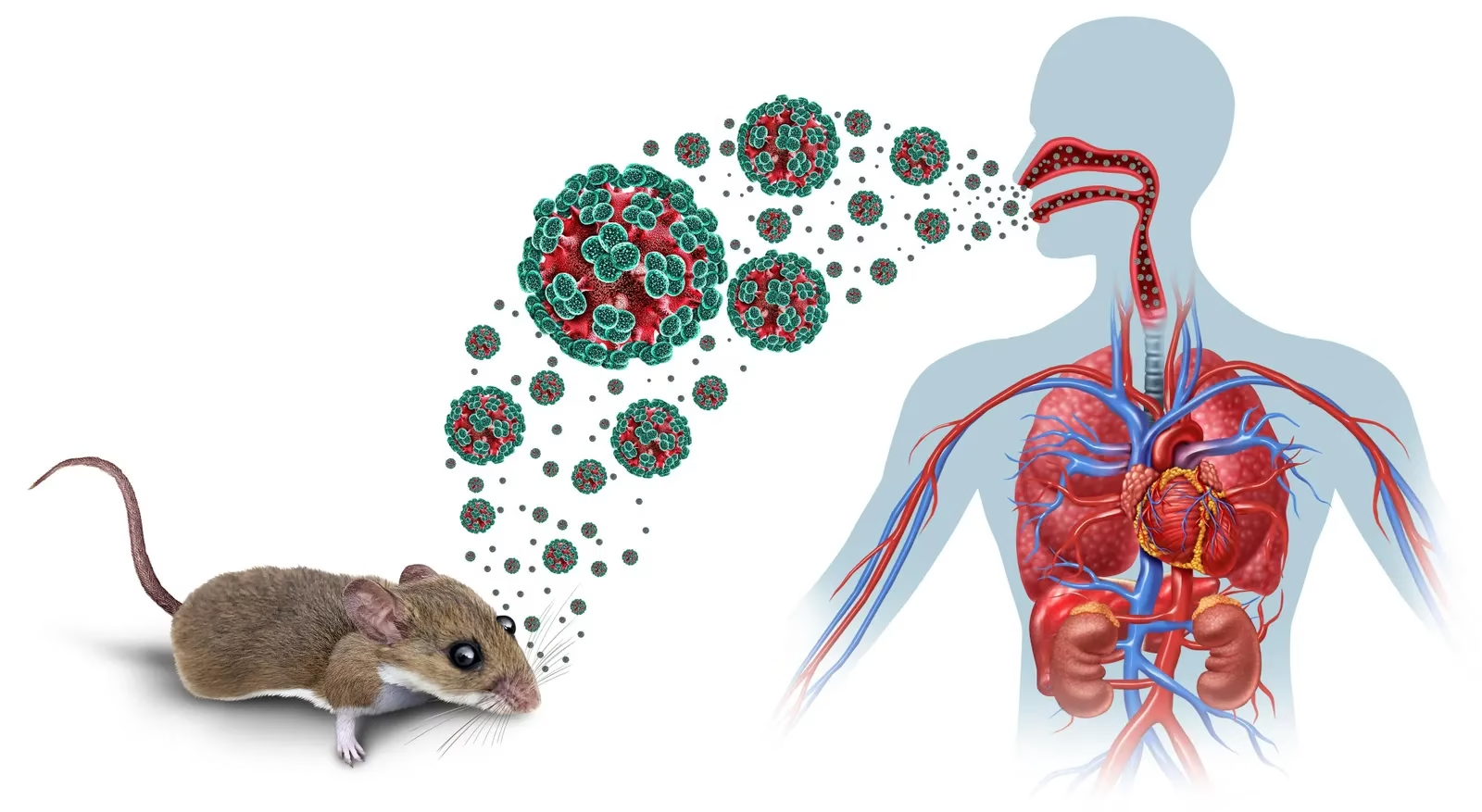
Hantavirus is a group of viruses typically spread through contact with infected rodents, their urine, droppings, or saliva. In some cases, the virus can lead to serious respiratory illnesses and other severe health complications. Symptoms often include fever, fatigue, muscle aches, headaches, and breathing difficulties. Because early symptoms can resemble common viral infections, rapid diagnosis sometimes becomes difficult.
Health experts note that the current Hantavirus outbreak is still under investigation, and researchers are working to determine the exact source and transmission pathway connected to the ship. Understanding how the virus originated is considered critical for preventing similar incidents in the future.
The incident has naturally triggered public concern because memories of previous global health crises remain fresh worldwide. Since the COVID-19 pandemic, governments and health organizations have become far more alert to any unusual viral outbreak involving international travel or confined environments such as ships.
However, experts caution against panic. WHO officials stressed that current evidence does not indicate widespread transmission at this stage. Instead, authorities are focusing on containment, monitoring, and scientific research to better understand the situation before drawing broader conclusions.
The growing attention surrounding the Hantavirus outbreak also reflects how quickly health-related news spreads in today’s digital world. Social media discussions, online speculation, and misinformation can often intensify fear before complete scientific information becomes available. Health professionals continue encouraging the public to rely on verified information from official medical and scientific organizations.
At the same time, global political tensions and ongoing international conflicts have added to public anxiety. Some commentators have linked fears of health emergencies with broader concerns about geopolitical instability and economic uncertainty. However, medical authorities have emphasized that the current focus remains on disease monitoring and public health preparedness rather than political speculation.
International health agencies are now closely observing the Hantavirus outbreak to determine whether isolated cases remain contained or whether additional infections appear in other regions. Early intervention and rapid communication between countries are considered essential tools in managing any potential health threat.
Experts believe lessons learned from past outbreaks have improved global readiness significantly. Faster reporting systems, improved medical coordination, and stronger surveillance networks now allow authorities to respond more quickly than in previous decades. These advancements may help prevent localized outbreaks from escalating into larger international crises.
The WHO continues advising countries to strengthen monitoring systems, maintain emergency preparedness plans, and ensure hospitals remain ready to identify unusual respiratory illnesses. Public awareness campaigns are also being encouraged to help people understand symptoms and seek medical attention if necessary.
The current Hantavirus outbreak serves as a reminder that infectious diseases remain a global challenge in an interconnected world. International travel, trade, and tourism can allow illnesses to spread more rapidly across borders, making global cooperation increasingly important.
Despite concerns, health officials remain cautiously optimistic that the situation can be controlled through proper containment measures and scientific investigation. Researchers are continuing laboratory studies to better understand the virus and evaluate any potential risks of wider transmission.
The Hantavirus outbreak has once again placed global health preparedness in the spotlight. While there is currently no confirmation of a large-scale international emergency, authorities remain vigilant due to the unpredictable nature of viral diseases. Continued monitoring, transparent communication, and international cooperation will likely play the most important role in preventing further spread and protecting public health in the weeks ahead.