
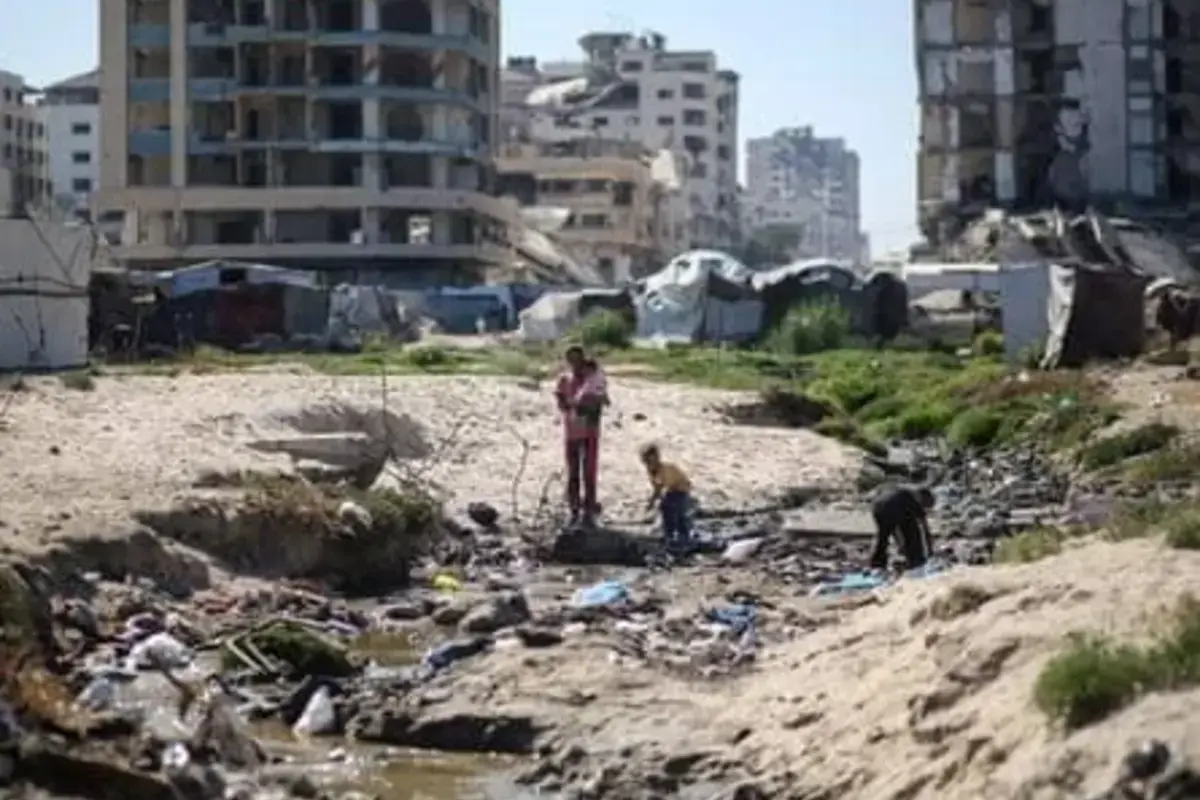
More than 99 per cent of Gaza is showing indicators of Gaza Environmental Contamination linked to Israeli military attacks, according to a new report by international humanitarian organisation Oxfam. The organisation has described the Palestinian territory as a toxic wasteland, warning that widespread pollution and infrastructure destruction are creating serious threats to public health, human safety and the future of Palestinian communities.
The report highlights the environmental consequences of extensive destruction across Gaza, identifying hazardous substances in the air, soil and water. According to Oxfam, these pollutants could expose residents to serious health risks for decades, making recovery increasingly difficult even after active hostilities end.
The findings have renewed concerns about the long-term environmental impact of warfare and the challenges facing Palestinians as they struggle to maintain access to safe water, clean surroundings and essential services.
Oxfam Identifies Widespread Environmental Hazards
Oxfam’s report identifies several dangerous contaminants associated with the destruction of buildings, infrastructure and other facilities during the conflict.
Among the substances highlighted are heavy metals, explosive residues, asbestos, dioxins and biological contaminants. These materials can enter the environment through damaged structures, military activity, destroyed infrastructure and the breakdown of essential sanitation systems.
The organisation warns that contamination across air, soil and water could create serious risks for people living in affected areas.
Heavy metals and other hazardous substances can remain in the environment for extended periods, while asbestos released from damaged buildings may create additional health concerns when disturbed or inhaled.
Explosive residues and biological pollutants also raise concerns about the safety of residential areas, agricultural land and water supplies.
According to the report, the scale of Gaza Environmental Contamination means that the consequences of the conflict could continue long after the immediate destruction has taken place.
Infrastructure Destruction Deepens Public Health Risks
The environmental crisis is closely connected to the destruction of essential infrastructure throughout Gaza.
Damage to water systems, sanitation facilities, residential buildings and other critical services has made it increasingly difficult to maintain safe living conditions.
When sanitation infrastructure is damaged, untreated waste and biological contaminants can spread into surrounding areas and potentially affect water sources.
Similarly, destroyed buildings create large quantities of debris that may contain hazardous materials. Without proper removal, testing and disposal, this rubble can remain a source of environmental exposure.
Oxfam warns that these conditions undermine the foundations required for safe and sustainable human life.
For Palestinians already facing severe humanitarian challenges, environmental contamination adds another layer of difficulty. Access to clean water, safe shelter and adequate sanitation is essential for preventing disease and protecting vulnerable communities.
The report suggests that addressing the environmental consequences will require more than rebuilding damaged structures. It will also involve identifying contaminated areas, safely removing hazardous materials and restoring essential public services.
Oxfam Director Accuses Israel of Environmental War Crimes
Oxfam International Executive Director Amitabh Behar strongly criticised the environmental destruction described in the report.
He accused Israel of committing what he called “environmental war crimes” as part of the ongoing genocide in Gaza.
His remarks reflect the organisation’s concerns about the scale of environmental damage and its consequences for the Palestinian population.
The term environmental war crimes raises important questions about the protection of natural resources and civilian living conditions during armed conflicts.
However, determining whether particular actions constitute violations of international law requires legal assessment of the relevant evidence, circumstances and applicable legal standards.
The report has added to wider discussions about the responsibilities of parties involved in armed conflicts and the long-term consequences of damage to civilian infrastructure and the environment.
Israel Rejects Genocide Allegations
Israel’s government has been asked to respond to Oxfam’s latest report.
Israel has previously rejected allegations of genocide in the ongoing case before the International Court of Justice, describing the accusations as baseless and distorted.
The Israeli government maintains that its military campaign in Gaza is an act of self-defence following Hamas’s October 7, 2023 attack.
It has also said that its military takes measures intended to minimise civilian casualties.
These positions remain part of the wider international legal and political debate surrounding the conflict.
The environmental findings, meanwhile, have drawn attention to consequences that extend beyond immediate casualties and physical destruction.
Long-Term Consequences for Gaza’s Population
The potential effects of Gaza Environmental Contamination could continue for generations if hazardous materials are not properly identified and addressed.
Contaminated soil may affect agricultural activities, while polluted water sources can threaten public health. Hazardous dust and debris may also expose residents and workers involved in clearing damaged areas to dangerous substances.
Children, older people and individuals with existing health vulnerabilities may face particular difficulties in environments where clean water, safe housing and healthcare services are limited.
Environmental recovery will therefore require coordinated efforts involving scientific assessments, humanitarian organisations, public health experts and relevant authorities.
Testing air, soil and water supplies will be important for identifying the most dangerous locations and determining appropriate clean-up measures.
Growing Calls for Environmental Accountability
The Oxfam report has renewed international attention on the relationship between warfare, environmental destruction and civilian survival.
While the immediate effects of conflict are often measured through casualties and damaged buildings, pollution and environmental degradation can create less visible consequences that persist for decades.
The findings on Gaza Environmental Contamination highlight the importance of protecting water resources, land, infrastructure and public health during armed conflicts.
For Gaza, the challenge will extend beyond ending the destruction and rebuilding homes. Long-term recovery will also require addressing hazardous pollution and restoring the environmental conditions necessary for communities to live safely.
As international attention continues, Oxfam’s findings raise urgent questions about environmental protection, humanitarian responsibility and accountability for the lasting consequences of warfare.