
Efforts to introduce Pakistan electoral reforms have gained momentum after opposition leaders indicated their willingness to join a proposed parliamentary committee initiated by the Pakistan Peoples Party (PPP). The development follows an invitation from PPP representatives seeking cooperation between the government and opposition to improve the transparency and fairness of elections. Opposition leaders have requested time to consult their political leadership before providing a formal response, which is expected within the coming days.
PPP Invites Opposition to Join Electoral Reforms Committee
According to PPP Vice President Senator Sherry Rehman, a party delegation met opposition leaders on the instructions of PPP Chairman Bilawal Bhutto-Zardari.
The delegation invited representatives of the opposition to become part of the proposed electoral reforms committee and jointly develop recommendations for improving Pakistan’s electoral system.
Sherry Rehman said the PPP wanted the government and opposition to work together to ensure transparent, free and fair elections.
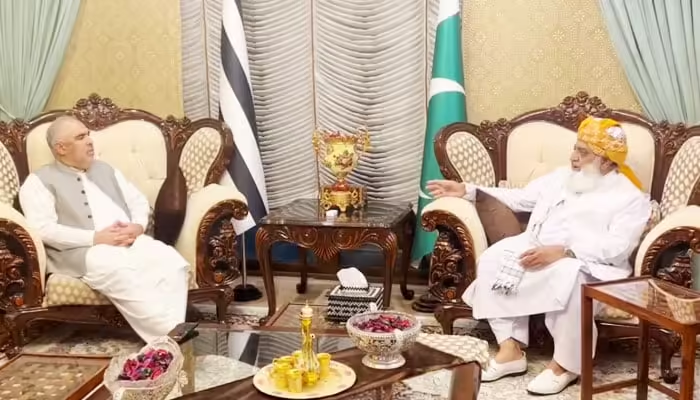
The opposition delegation included Tehreek-e-Tahafuz-e-Ayin-e-Pakistan chief and National Assembly Opposition Leader Mahmood Khan Achakzai, along with alliance vice chairman and Senate Opposition Leader Allama Raja Nasir Abbas.
According to sources, both leaders requested additional time to consult the PTI leadership before announcing their formal position.
However, Raja Nasir reportedly supported the broader proposal of making the electoral process more transparent. Sherry Rehman also expressed optimism that opposition parties would respond positively to the invitation.
PTI Demands Equal Representation
While the opposition has shown openness towards the initiative, PTI Chairman Barrister Gohar Ali Khan has emphasised that the committee must provide equal representation to the government and opposition.
Gohar said electoral reforms should remain impartial and reflect the expectations of the public. His demand highlights the importance of ensuring that all participating political parties have a meaningful role in developing recommendations.
The question of representation is likely to remain an important part of discussions as political parties consider joining the committee.
For PTI, equal participation could help ensure that proposals are not developed exclusively according to the government’s preferences.
The proposed Pakistan electoral reforms process will therefore require agreement on both the committee’s membership and the way its recommendations are prepared.
2024 Election Irregularities Among Key Issues
According to sources, the committee is expected to examine allegations of rigging and irregularities in the 2024 general elections.
Its proposed scope may also include subsequent by-elections and elections held in Gilgit-Baltistan (GB) and Azad Jammu and Kashmir (AJK).
The committee would reportedly investigate concerns raised about the electoral process, identify those responsible for irregularities where established and recommend measures to prevent similar issues in future elections.
These matters are politically sensitive because different parties have raised questions about election transparency, vote counting and the conduct of electoral processes.
A parliamentary forum could provide an opportunity to examine these concerns through discussion and institutional procedures.
The committee’s recommendations are expected to be presented before parliament for consideration and approval. This means that any proposed changes would still need to pass through the relevant parliamentary process before becoming part of the electoral framework.
Proposed Committee to Have 30 Members
Minister for Parliamentary Affairs Tariq Fazal Chaudhry has confirmed that the National Assembly has already approved the formation of the electoral reforms committee.
He said the National Assembly speaker would soon issue its formal notification, while the process of finalising members’ names was still underway.
According to the proposed structure, the committee will consist of 30 parliamentarians.
The membership will be divided as follows:
- 20 members from the National Assembly.
- 10 members from the Senate.
Seats will be distributed among political parties according to their numerical strength in both parliamentary houses.
This arrangement is intended to ensure that political parties receive representation based on their presence in parliament.
Tariq Fazal Chaudhry said efforts would be made to give importance to constructive, practical and workable proposals submitted by different parliamentary parties.
Why Electoral Reforms Matter for Pakistan
The discussion surrounding Pakistan electoral reforms comes amid continuing political disagreements over the credibility and transparency of elections.
A reliable electoral system is essential for public confidence in democratic institutions. Voters need confidence that their votes are properly recorded, counted and reflected in the final results.
Similarly, political parties require clear procedures for raising complaints and addressing concerns about electoral irregularities.
Possible areas of reform include improving election administration, strengthening transparency in vote counting, reviewing complaint-handling procedures and ensuring consistent implementation of electoral laws.
The proposed committee could provide a platform for discussing these matters with representatives from different political parties.
However, the effectiveness of any reform initiative will depend on whether its recommendations are based on evidence, receive broad political support and can be implemented through appropriate legal and institutional changes.
What Happens Next?
The immediate next step is expected to be the opposition’s formal response following consultations with PTI leadership.
If opposition parties agree to participate, discussions could begin once the committee’s membership is finalised and its official notification is issued.
The Pakistan electoral reforms initiative represents an attempt to bring government and opposition representatives together on an issue that has remained central to political debate.
Whether the proposed committee can produce widely accepted recommendations will depend on the level of cooperation among participating parties.
For now, the PPP’s invitation and the opposition’s willingness to consider it have opened another parliamentary channel for discussing election transparency and the future of Pakistan’s electoral system.