
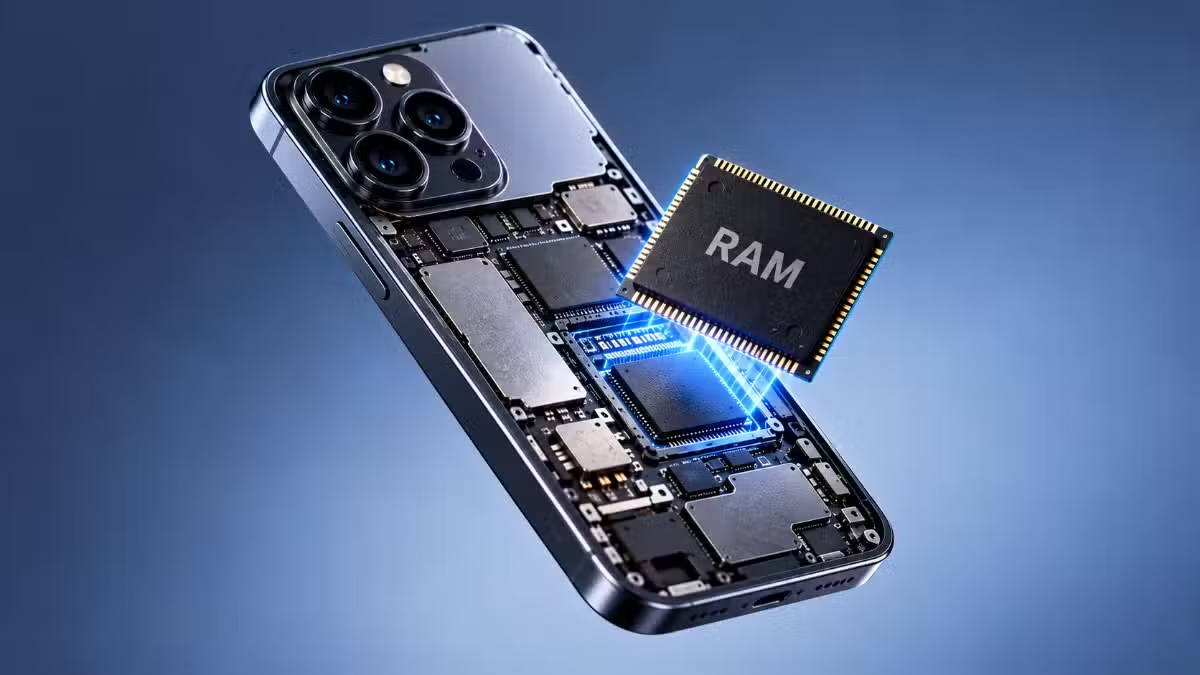
Chinese smartphone manufacturers are reportedly turning to recycled DRAM chips recovered from older electronic devices as the global memory shortage continues to increase costs and disrupt production. The move could help some brands maintain smartphone manufacturing while reducing their dependence on increasingly expensive new memory components.
According to Counterpoint Research, several Chinese smartphone brands lowered their production targets during the second quarter of 2026 because of rising memory prices and limited supplies. However, some manufacturers reportedly began raising their production targets towards the end of the third quarter after gaining access to recycled memory chips.
The development highlights the pressure facing smartphone companies as demand for memory continues to grow across the technology industry. Manufacturers are now exploring alternative ways to secure components, control expenses and keep affordable smartphones available to consumers.
Although the use of recycled memory could provide short-term relief, questions remain about component reliability, long-term performance and the potential impact on customers.
How Manufacturers Reuse Memory Chips
Recycling memory components involves recovering DRAM chips from discarded smartphones, computers and servers. Manufacturers or specialist suppliers can remove suitable chips, clean them, test their functionality and prepare them for installation in other devices.
Unlike newly manufactured memory, these components have already been used in previous electronic products. Their suitability for reuse depends on their condition, technical specifications and performance during testing.
Some smartphone manufacturers are reportedly considering using recycled DRAM chips exclusively in selected budget models. This approach could help reduce production costs in a market where affordable devices are particularly sensitive to component price increases.
Reusing existing memory may also allow manufacturers to continue producing certain phones when supplies of new chips are insufficient.
However, recycled components must meet the technical requirements of the devices in which they are installed. Not every recovered chip will be suitable for reuse, and manufacturers must assess quality before incorporating it into a new product.
Reliability Concerns Over Recycled Memory
Despite the potential savings, recycled DRAM chips raise concerns about long-term reliability.
Memory components recovered from devices that have been in service for five or six years may have experienced years of operating temperatures, electrical stress and repeated use. Their remaining lifespan can vary considerably depending on the original device and operating conditions.
Testing can identify many faulty components before they are reused. However, passing an initial inspection does not guarantee that a chip will remain reliable throughout the expected life of a new smartphone.
Aging memory components may also require more extensive quality checks to ensure they meet performance and stability requirements.
For consumers, the main concern is whether a smartphone containing reused memory will deliver dependable performance over several years. Potential problems could create additional warranty claims, repair costs and customer dissatisfaction if manufacturers fail to maintain adequate quality standards.
That does not mean every recycled chip is unreliable. Properly tested components can remain functional, but their condition and history are important considerations.
Manufacturers adopting this approach will need effective testing procedures and clear quality controls to reduce potential risks.
Why Is the Global Memory Shortage Continuing?
The growing use of recycled memory is linked to increasing demand for DRAM across the global technology sector, particularly in artificial intelligence infrastructure.
AI systems require substantial computing power and memory capacity. Data centres running advanced AI workloads depend on high-performance components, including high-bandwidth memory (HBM), alongside conventional server memory.
Major manufacturers such as Samsung Electronics and SK Hynix are investing in and prioritising products that serve these expanding markets. This shift can put pressure on the availability of memory used in smartphones and other consumer electronics.
When supply becomes limited while demand remains strong, component prices can rise. Smartphone manufacturers may then face difficult decisions about production volumes, product specifications and retail pricing.
Budget smartphone brands are particularly exposed because their profit margins are often relatively narrow. Even a significant increase in memory costs can affect the economics of producing lower-priced devices.
Industry reports suggest that supply constraints and elevated prices could continue beyond 2027, although the duration and severity of the shortage remain uncertain.
What Does This Mean for Smartphone Buyers?
For consumers, the shortage could influence smartphone prices, specifications and availability. Some manufacturers may increase prices, delay launches or adjust production targets to manage higher component costs.
Others could explore alternative suppliers, optimise memory configurations or use recycled components in selected models.
If recycled DRAM becomes more common, buyers may pay greater attention to component quality, warranty coverage and long-term software performance. However, the use of recycled memory does not automatically mean that a phone will deliver a poor experience.
The specific component, its condition and the manufacturer’s testing standards will all matter.
At present, the reports have not identified the smartphone brands or individual models using recycled memory, so consumers cannot reliably determine which devices are affected.
A Temporary Response to a Wider Industry Problem
The use of recycled DRAM chips reflects how smartphone manufacturers are adapting to changing supply conditions. Reusing existing components may help sustain production and manage costs while new memory remains expensive or difficult to obtain.
Nevertheless, recycling cannot fully replace the need for a stable supply of newly manufactured memory. Its usefulness will depend on the availability of suitable components, quality-control costs and the reliability requirements of modern smartphones.
As the AI industry continues to expand, memory suppliers and smartphone makers will need to balance demand across different markets.
For now, recycled memory offers a possible short-term solution to a challenging supply environment. Whether it becomes a more widespread manufacturing practice will depend on costs, technical reliability and how long the global memory shortage continues.