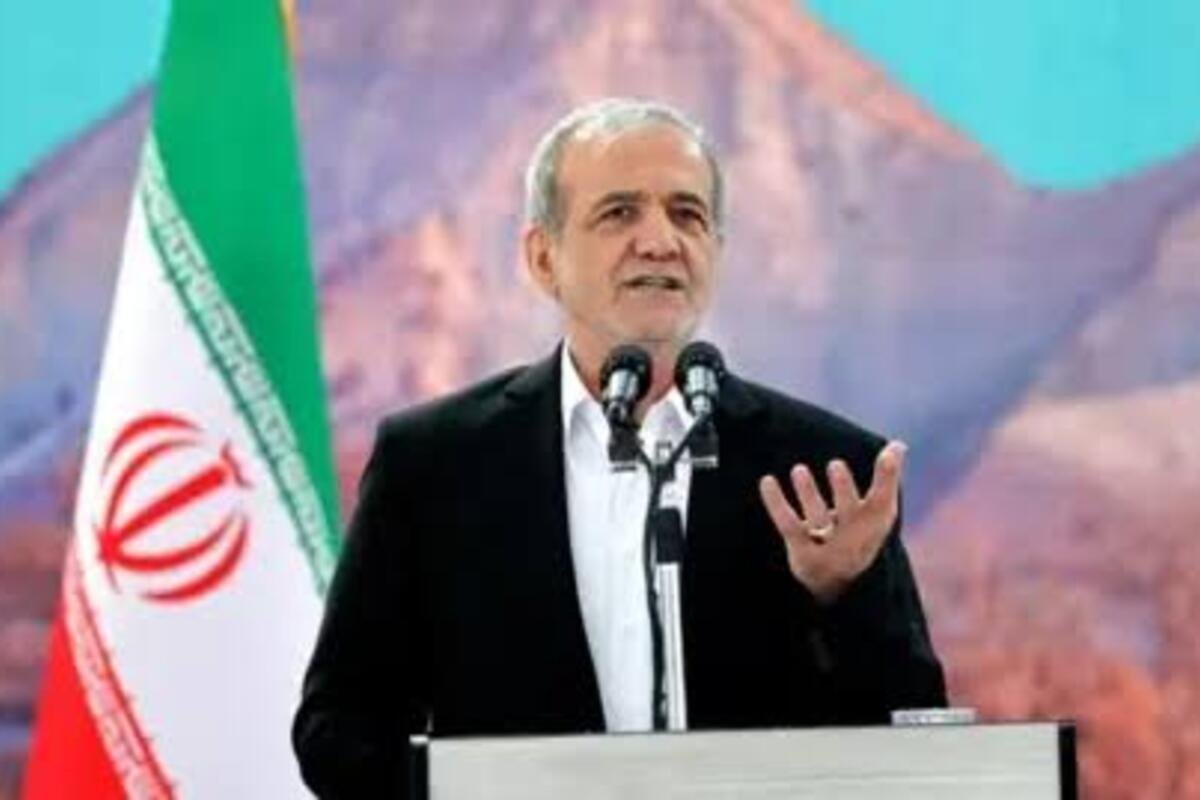
Iranian President Masoud Pezeshkian has stressed that national unity is essential for Iran to withstand external pressure, declaring that bombs and missiles cannot force the Iranian people to surrender. Speaking at a ceremony marking National Nurses’ Day on Thursday, Pezeshkian warned that divisions within Iranian society could give the country’s adversaries an opportunity to achieve their objectives.
His remarks come as Tehran faces heightened pressure from the United States, including economic restrictions and threats that Iranian officials describe as part of a broader campaign against the country. The president emphasized that solidarity among citizens remains a central factor in Iran’s ability to respond to these challenges.
The comments reflect the Iranian leadership’s focus on domestic cohesion as the country navigates external tensions, economic difficulties, and concerns about essential services.
Iranian President Warns Against Internal Divisions
Pezeshkian said Iran’s adversaries were attempting to exploit domestic problems and social differences to weaken the country from within. He argued that internal divisions could create vulnerabilities that external opponents might use to advance their goals.
According to the president, a range of economic and infrastructure challenges had been viewed as possible sources of public dissatisfaction and discord. These included shortages of electricity, water and gas, fuel difficulties, environmental concerns, banking problems, budget deficits, and challenges involving pension funds.
Such issues can place considerable pressure on households, businesses, and public institutions. Shortages of essential resources can disrupt daily life, while financial difficulties can complicate government efforts to maintain services and meet public obligations.
Pezeshkian maintained that the Iranian public’s resilience and solidarity had frustrated expectations that these challenges would divide society. He called for continued cooperation and unity, presenting them as important elements in protecting the country’s stability.
US Pressure and Economic Challenges
The president’s remarks come amid continued tensions between Washington and Tehran. US pressure on Iran has included economic restrictions and political warnings, while Iranian officials have accused their opponents of pursuing policies intended to weaken the country.
Tehran has also described restrictions affecting transportation and communication routes as part of the pressure it faces. These concerns have added to the wider debate over Iran’s economic position, regional security, and ability to maintain essential services.
Economic restrictions can complicate trade and financial transactions, although their effects vary across sectors and depend on the measures involved. At the same time, domestic issues such as energy shortages, budget pressures, and banking difficulties present challenges that require policy responses within Iran itself.
Pezeshkian’s comments placed these problems within a broader argument about national resilience. He suggested that adversaries could benefit if economic hardships led to greater divisions among the Iranian population.
However, calls for unity do not remove the practical difficulties facing the country. Addressing shortages, improving economic conditions, and maintaining public confidence remain important challenges for Iranian authorities.
Pezeshkian Pays Tribute to Nurses and Medical Workers
The president delivered his remarks during a ceremony honoring nurses, bringing attention to the contribution of medical professionals working under difficult conditions.
Pezeshkian praised nurses, healthcare personnel, and others who have made sacrifices in service to the public. He highlighted their commitment to protecting people’s welfare and supporting the country during challenging periods.
Healthcare workers play an essential role in maintaining public health, particularly when institutions face resource constraints or wider national emergencies. Their work often requires long hours, professional dedication, and the ability to respond to demanding circumstances.
By recognizing nurses during the ceremony, Pezeshkian connected their service to a broader message about public responsibility and resilience. His remarks presented their efforts as an example of commitment to the country and its people.
The recognition also underscored the importance of healthcare services at a time when economic pressures and infrastructure problems remain concerns for Iran.
National Cohesion Remains a Central Message
Pezeshkian’s speech highlighted a recurring theme in the Iranian leadership’s response to external pressure: the belief that domestic unity can help the country withstand international challenges.
His message was directed not only at foreign adversaries but also at the Iranian public, whose cooperation he described as important to national stability. The president argued that differences and everyday difficulties should not become factors that undermine the country’s ability to respond to outside threats.
At the same time, Iran’s economic and infrastructure challenges remain significant issues for policymakers. Maintaining reliable supplies of electricity, water, gas, and fuel, while addressing financial pressures, will require practical measures alongside calls for solidarity.
Masoud Pezeshkian has urged Iranians to remain united, arguing that military threats and external pressure cannot force the nation to surrender. His comments at the National Nurses’ Day ceremony highlighted the relationship between social cohesion, economic resilience, and national stability.
As Iran continues to face international tensions and domestic challenges, the president’s message places unity at the center of the country’s response. Whether that appeal translates into lasting improvements will also depend on how effectively authorities address the economic and infrastructure problems affecting everyday life.