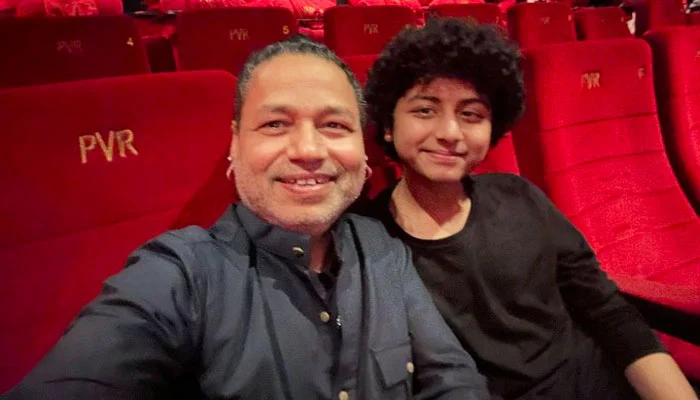
Pakistani actor Agha Mustafa has spoken publicly about what he describes as a troubling Agha Mustafa payment dispute, saying he completed work on a drama in June but had still not received his compensation by September. The actor did not identify the production involved, but said the issue was not simply a delayed payment. According to him, he had also struggled to receive a clear explanation about when his outstanding dues would be settled.
His comments have renewed discussion about payment practices in Pakistan’s entertainment industry, particularly the financial pressures faced by actors and other professionals who do not have the bargaining power enjoyed by established stars.
Actor Says Payment Remains Unclear
Agha Mustafa said one of his plays was completed in June, yet months later, he was still waiting for his payment. He explained that repeated uncertainty over the money had become frustrating because he was not receiving a definite answer about when he would be paid.
The actor’s account highlights a broader concern for performers who depend on regular project payments to manage their everyday expenses. Unlike viewers, who generally see only the finished drama on television or streaming platforms, actors and production workers often depend on payments from individual projects to cover their professional and personal commitments.
The Agha Mustafa payment issue, as described by the actor, therefore goes beyond a simple administrative delay. He suggested that the absence of clear communication can make the situation even more difficult for workers who have already completed their responsibilities.
Claims About Different Treatment of Actors
Agha Mustafa also argued that delayed compensation is not limited to his own experience. He claimed that many people in the industry face similar difficulties and suggested that lesser-known performers often have to wait longer for their money.
He contrasted this with major stars, naming Hania Aamir, Wahaj Ali, Fawad Khan and Saba Qamar as examples of highly established actors. According to Mustafa, prominent names are generally in a stronger position to secure faster payment, while performers who have not reached the same level of fame may have less influence over production arrangements.
These comments represent the actor’s personal assessment of industry practices and were not independently established in the supplied account.
The issue of financial arrangements in Pakistan’s entertainment sector has been discussed before. Industry reporting has noted that payment delays can occur within the television production system because production companies and broadcasters may themselves face delays in receiving advertising revenue.
Living Away From Home Adds Financial Pressure
The actor also explained why delayed payments have a direct impact on his personal life.
Agha Mustafa said he is originally from Islamabad, where his parents and family live, but works primarily in Karachi. Maintaining a separate base in Karachi means dealing with rent, electricity bills and other household expenses.
He questioned why he should have to repeatedly wait for compensation after completing professional work when he makes an effort to pay people working for him on time.
For actors working away from their hometowns, regular income can be particularly important. Accommodation, transportation and everyday expenses can add significant financial pressure between projects.
Actor Says Speaking Up Can Affect Future Work
Another part of Mustafa’s comments concerned what he described as the industry’s reaction when actors ask for their outstanding payments.
He claimed that when he raises his voice about unpaid dues, he can be portrayed as someone who causes trouble or harasses people. He further alleged that some individuals tell others not to offer him future work because he has demanded his compensation.
The allegation points to a difficult situation for performers: seeking payment for completed work while also trying to maintain professional relationships and secure future opportunities.
For actors who rely on repeated contracts and recommendations, concerns about being labelled “difficult” could potentially discourage them from openly discussing payment disputes.
Why Timely Payments Matter
The Agha Mustafa payment controversy has brought attention to an issue that affects more than actors alone. Television productions depend on large teams, including directors, writers, camera operators, makeup artists, technicians, assistants and other workers.
When payments are delayed, the financial consequences can extend throughout that wider production ecosystem.
Earlier industry reporting has also described delayed payments between broadcasters, production houses and advertisers, showing that financial disputes can move through different levels of the entertainment business.
For performers, however, the expectation remains straightforward: once contracted work has been completed, compensation should be processed according to the agreed terms.
A Conversation the Industry May Need
Agha Mustafa’s remarks have sparked another conversation about how Pakistani drama professionals are compensated and how payment disputes are handled.
The Agha Mustafa payment complaint is ultimately one actor’s account, and the production involved has not been identified publicly in the supplied information. As a result, the circumstances behind the delayed compensation cannot be independently assessed from his comments alone.
Nevertheless, his experience raises questions about communication, payment schedules and the protections available to entertainment workers.
As Pakistan’s drama industry continues to produce content for increasingly large audiences, financial arrangements remain an important part of the business. Clear contracts, transparent payment timelines and effective ways to resolve disputes could help reduce uncertainty for performers and production staff.
Agha Mustafa’s comments have placed delayed compensation back into the spotlight, with the actor calling for the basic expectation of being paid on time for work that has already been completed.