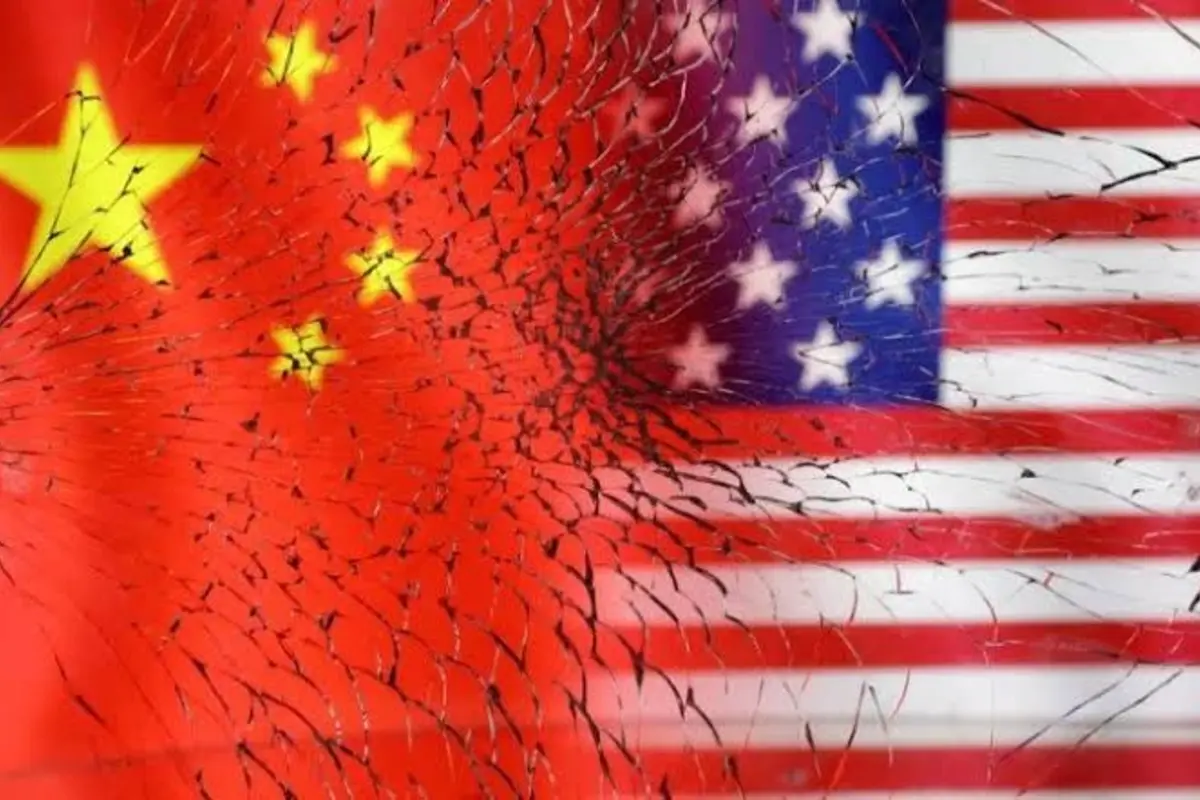
China has rejected the latest US pressure on Iran’s aviation sector, with the dispute over China Iran sanctions policy adding another point of disagreement between Beijing and Washington. Chinese Foreign Ministry spokesperson Guo Jiakun said Tuesday that China opposes unilateral sanctions that lack a basis in international law or authorization from the United Nations Security Council.
The comments followed remarks by US Treasury Secretary Scott Bessent, who warned that Iranian airlines could effectively be shut out of international aviation from September 23. His warning also extended to foreign companies and airports that provide services to Iranian carriers.
China Challenges US Sanctions Policy
The latest China Iran sanctions dispute highlights a long-running disagreement over the use of unilateral economic restrictions.
Guo said Beijing consistently opposes what China considers illegal unilateral sanctions when they are not supported by international law or a UN Security Council mandate. His comments reflect Beijing’s broader position that countries should not use their own domestic laws to impose restrictions on other nations without international authorization.
China has maintained economic and diplomatic relations with Iran despite Washington’s extensive sanctions campaign. Beijing has previously criticized US sanctions that it considers extraterritorial or unilateral.
The latest response therefore fits into a broader Chinese policy of opposing what Beijing describes as the misuse of economic measures to influence other countries.
US Threatens Wider Pressure on Iranian Airlines
The China Iran sanctions disagreement follows a strong warning from Bessent.
The US Treasury secretary said all Iranian airlines could be shut down internationally under Washington’s latest pressure campaign. He warned that companies providing fuel, landing services or ticket sales to Iranian aircraft could face consequences under US sanctions.
The threat is part of a broader US campaign aimed at restricting Iran’s access to international financial and commercial networks.
Washington has already imposed sanctions on Iranian airlines and companies connected to the country’s aviation sector. Earlier this month, the US Treasury announced sanctions against 36 targets that it accused of supporting Iran’s aviation industry, including foreign intermediaries and companies involved in aircraft-related procurement and services.
The United States says its measures are intended to restrict Iran’s ability to use aviation networks for activities Washington considers harmful or illicit.
Why Iranian Aviation Matters
Iran’s aviation sector has faced international restrictions for years. US sanctions have made it difficult for Iranian airlines to access aircraft, spare parts, maintenance services and other aviation-related equipment.
The latest measures could put additional pressure on carriers operating international routes.
If foreign airports, fuel suppliers, ticketing companies and other service providers avoid Iranian airlines because of the threat of secondary US sanctions, Iranian carriers could face increasing difficulties maintaining international operations.
That is why the China Iran sanctions dispute has significance beyond diplomatic statements. The outcome could affect how international companies assess their relationships with Iranian aviation businesses.
Beijing Maintains Economic Ties With Tehran
China remains an important economic partner for Iran, making Beijing’s position particularly significant.
While Washington is seeking to increase economic pressure on Tehran, China has continued its commercial and diplomatic engagement with Iran. Beijing has repeatedly argued that legitimate economic cooperation should not be disrupted by unilateral measures imposed by another country.
The disagreement also comes after Russia and China opposed efforts at the UN Security Council to extend the mandate of an independent panel monitoring sanctions on Iran. On September 17, the two countries vetoed a resolution that would have extended the monitoring mechanism.
The development illustrates the wider differences between China, Russia and Western governments over how international restrictions on Iran should be enforced.
Dispute Comes Before Trump-Xi Meeting
The timing of the China Iran sanctions dispute is also important because US President Donald Trump and Chinese President Xi Jinping are scheduled to meet in Washington on September 24.
The two countries are already negotiating several sensitive issues, including trade, technology, artificial intelligence and economic restrictions. Bessent also held talks with Chinese Vice Premier He Lifeng in New York ahead of the Trump-Xi meeting.
Bessent said Chinese officials had been engaged in discussions about US sanctions on Iran, although Beijing’s public position remains that it opposes unilateral sanctions without an international legal basis.
The issue could therefore become part of the broader diplomatic conversation between Washington and Beijing.
Different Views on Economic Pressure
The China Iran sanctions disagreement demonstrates how differently the two governments approach economic restrictions.
Washington views sanctions as a tool for increasing pressure on Tehran and limiting activities that it considers a threat to US interests. Beijing, meanwhile, objects to unilateral sanctions that it says lack international authorization.
These competing positions could make international coordination more difficult for Washington as it attempts to expand its pressure campaign.
At the same time, China’s opposition does not necessarily mean that Beijing will openly challenge every US measure. The practical response of Chinese financial institutions, airlines, airports and other companies will remain important as American sanctions take effect.
The latest China Iran sanctions dispute adds another layer to already complicated US-China relations. It also demonstrates the difficulty of applying sanctions globally when major economic powers do not agree on their legitimacy or implementation.
For Iran, the immediate concern will be maintaining access to international aviation services as Washington increases pressure on its airlines.
For China and the United States, the issue comes at a sensitive diplomatic moment ahead of the Trump-Xi summit. Whether the disagreement remains limited to public statements or becomes part of wider negotiations will depend on developments in the coming days.
Beijing has made its position clear: it opposes unilateral US sanctions on Iranian airlines when they lack what China considers a basis in international law or authorization from the UN Security Council.