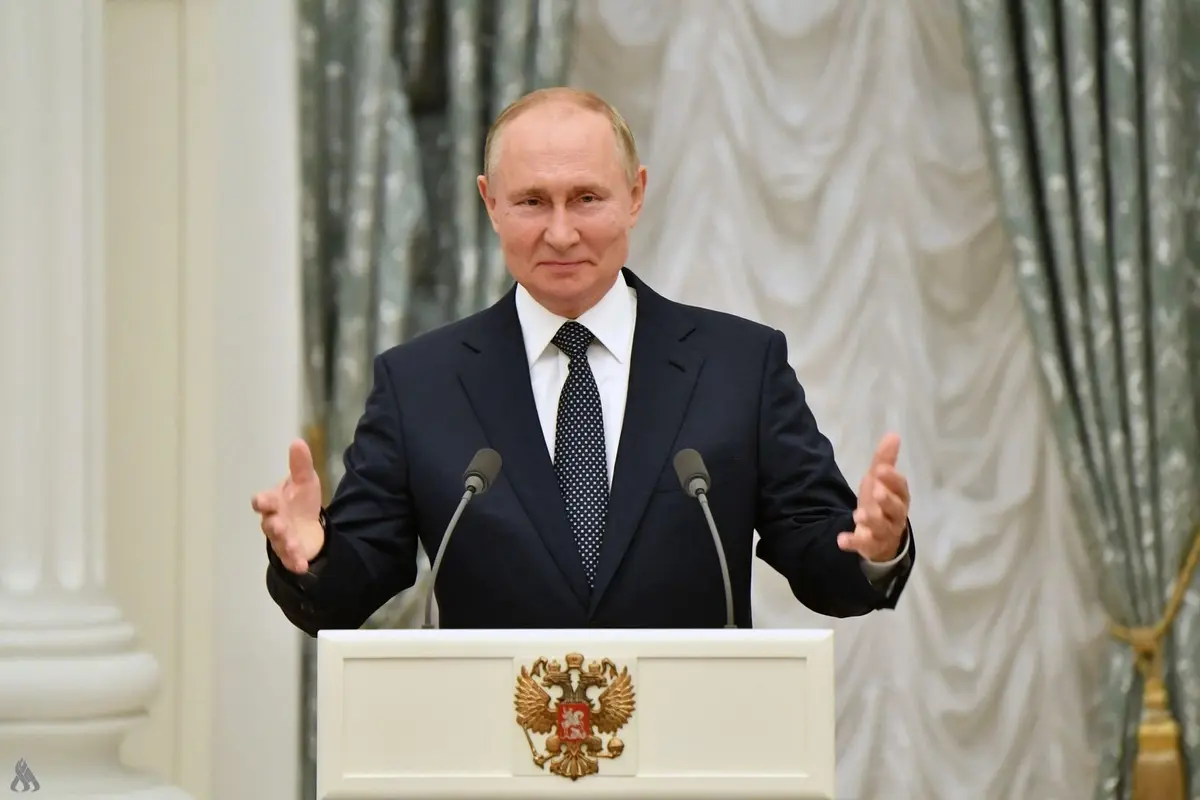
The Russia parliamentary election has placed President Vladimir Putin’s United Russia party firmly ahead, according to preliminary results from the Central Election Commission (CEC). With more than 95 percent of votes counted by Monday, United Russia had secured about 57.83 percent of the party-list vote, while preliminary results indicated the party was on course to hold 355 of the 450 seats in the State Duma.
The three-day election, held from Friday through Sunday, was closely watched because it was Russia’s first parliamentary vote since the country launched its full-scale invasion of Ukraine in February 2022. The vote took place against a backdrop of continuing military tensions, Ukrainian drone attacks and reported disruptions involving electronic voting systems.
United Russia Maintains Parliamentary Control
The preliminary outcome of the Russia parliamentary election indicates that United Russia will retain its dominant position in the State Duma, Russia’s lower house of parliament.
The party’s party-list vote share was significantly higher than the 49.8 percent it received in the previous parliamentary election in 2021. If the preliminary distribution of seats is confirmed, United Russia would control 355 of the 450 seats, giving it a constitutional majority.
Other parties expected to enter parliament include the Communist Party, LDPR, New People and Just Russia. Reuters reported that these parties have frequently supported the government on major issues, meaning the overall parliamentary balance is expected to remain strongly aligned with the Kremlin.
Election Held During Wartime
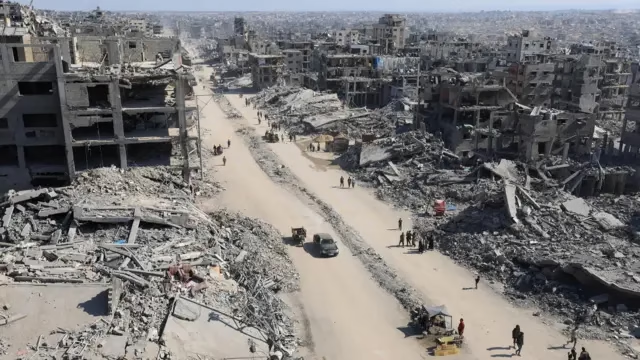
The Russia parliamentary election carries particular significance because it was conducted while the war in Ukraine continues.
President Putin had presented the vote as an opportunity to demonstrate national unity and support for the country’s direction. The election also comes after more than four years of conflict, during which Ukrainian attacks have increasingly reached Russian territory.
The election included voting in areas of Ukraine that Russia claims to have incorporated into its territory. Ukraine and Western governments reject those claims and have condemned Russia’s organization of elections in occupied Ukrainian regions. France, for example, said the voting in those territories violated international law and criticized the wider electoral environment.
Drone Attacks Create Security Concerns
Security incidents were another major feature of the Russia parliamentary election.
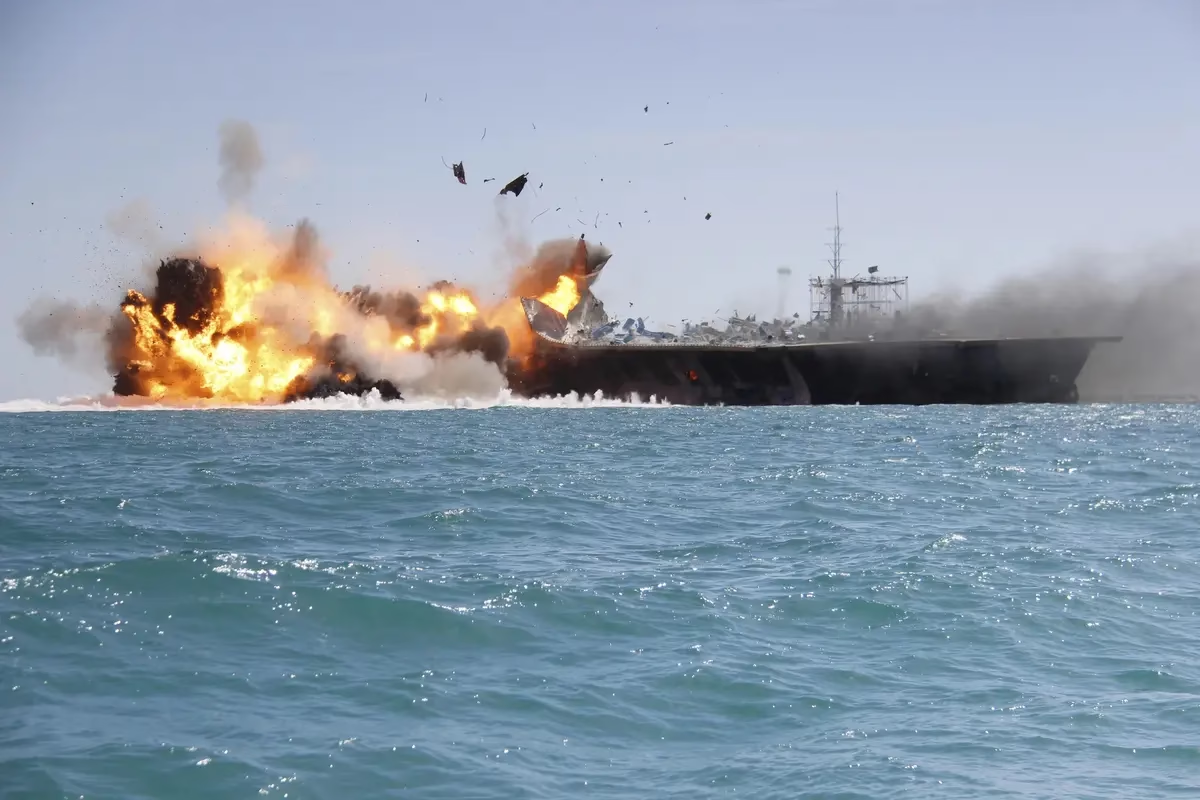
Russian officials said Ukrainian drones targeted several areas during the voting period. Russia’s Defense Ministry reported that more than 1,100 Ukrainian drones were intercepted over Russia, Crimea and the Black Sea on Sunday.
Regional officials also reported deaths and injuries connected to drone attacks. Moscow was targeted in a major drone strike on the final day of voting, adding another layer of security concerns to an already closely monitored election.
Russian authorities said the attacks did not prevent the election from proceeding. Central Election Commission Chairwoman Ella Pamfilova described the voting process as successful despite the security challenges.
Questions Over the Electoral Environment
While Russian authorities presented the Russia parliamentary election as a functioning national vote, international criticism focused heavily on the political environment surrounding it.
The Associated Press reported that most serious opposition to the Kremlin was absent from the ballot, with anti-war candidates barred, jailed or forced into exile. The Yabloko party, which opposes the war, failed to secure representation in the national parliament, although it appeared to gain a small foothold in a regional legislature in Novgorod.
Critics and opposition activists in exile have also raised allegations of voting irregularities. Russian officials rejected such concerns and maintained that the process was properly conducted.
International observers were also limited compared with elections in many other countries, adding to disagreements over the credibility and political openness of the vote.
Electronic Voting and Cybersecurity
Russia’s growing use of electronic voting also attracted attention during the Russia parliamentary election.
Online voting was available alongside traditional polling, with the system intended to make participation easier across the country. However, reports of cyberattacks and technical problems emerged during the election period.
Authorities said attempts to disrupt voting systems had not prevented the election from continuing. The incidents nevertheless highlighted the cybersecurity challenges facing countries that increasingly rely on digital election infrastructure.
What the Results Mean for Putin
The Russia parliamentary election is expected to strengthen the Kremlin’s control over parliament if the preliminary results are confirmed.
A constitutional majority gives United Russia substantial influence over legislation and allows it to advance constitutional changes without requiring support from other parliamentary parties. The projected 355-seat total would also represent the party’s largest number of State Duma seats to date.
For Putin, the results provide an official electoral outcome that can be presented domestically as evidence of continued political support. At the same time, international governments and opposition groups are likely to continue questioning the conditions under which the vote was held.
The final results are expected to provide a clearer picture of the composition of Russia’s parliament. For now, the preliminary figures show United Russia maintaining a commanding position as Russia enters another parliamentary term amid the continuing war in Ukraine and growing security pressures at home.