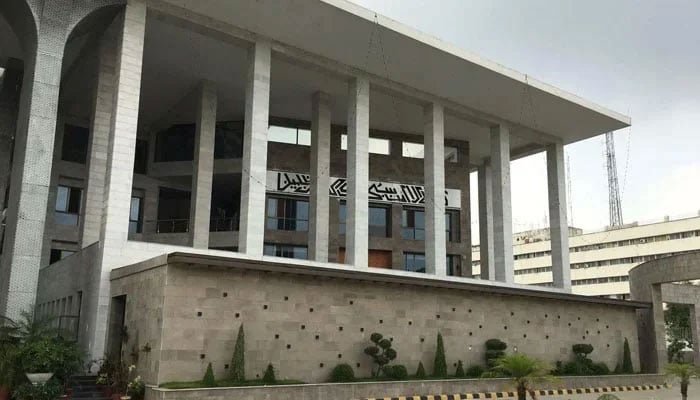
The Islamabad High Court has issued a detailed IHC PTI march ruling concerning the Pakistan Tehreek-e-Insaf’s proposed long march towards Islamabad on September 27. The 37-page judgment states that political parties, leaders and public office holders cannot lawfully occupy public roads, highways, interchanges, toll plazas or other public places in a way that obstructs citizens’ movement or affects access to businesses, education and medical facilities.
The judgment was issued by a three-member larger bench headed by Chief Justice Sardar Muhammad Sarfraz Dogar, with Justice Muhammad Azam Khan and Justice Muhammad Asif also on the bench. The case was brought by citizen and trader Waqas Ahmed, who challenged the proposed PTI march over concerns about its potential impact on daily life and public rights in the federal capital.
Court Emphasises Citizens’ Rights
A central part of the IHC PTI march ruling is the court’s finding that political activity cannot be conducted in a manner that infringes the fundamental rights of other citizens.
The court stated that any person or entity whose activities result in violations of citizens’ fundamental rights within Islamabad would be considered to have violated the Constitution and could face consequences under the law.
The judgment also addressed public office holders, stating that if their actions result in violations of citizens’ fundamental rights, they could be considered to have breached both the Constitution and their oath of office.
The court’s observations were made in the context of a proposed political march, but the broader principle concerns the balance between political activity and the rights of people living and working in the capital.
Restrictions on Blocking Public Roads
The IHC PTI march ruling makes clear that roads, highways, interchanges, toll plazas and other public infrastructure cannot be occupied in a manner that prevents ordinary movement.
The court specifically referred to citizens’ ability to travel freely and pursue trade, business and professions. It also highlighted access to medical facilities and educational institutions as rights that should not be disrupted by political gatherings.
The judgment therefore places responsibility on organisers and authorities to ensure that political activities do not turn into prolonged obstruction of public infrastructure.
Government Resources Cannot Be Used
Another major part of the ruling concerns the use of government machinery for political marches.
The court directed provincial governments and chief ministers to ensure that official vehicles, machinery, public funds and other government resources are not used to support or facilitate marches, rallies or processions heading towards Islamabad.
The judgment also stated that public servants should not be compelled, coerced or induced to participate in such political activities. Chief secretaries and police authorities were directed to issue appropriate instructions to prevent officials from being required to facilitate unlawful political gatherings.
The court further directed that mechanisms such as helplines should be available for government employees who receive unlawful orders or face pressure to participate in a march.
Previous Protests Referenced
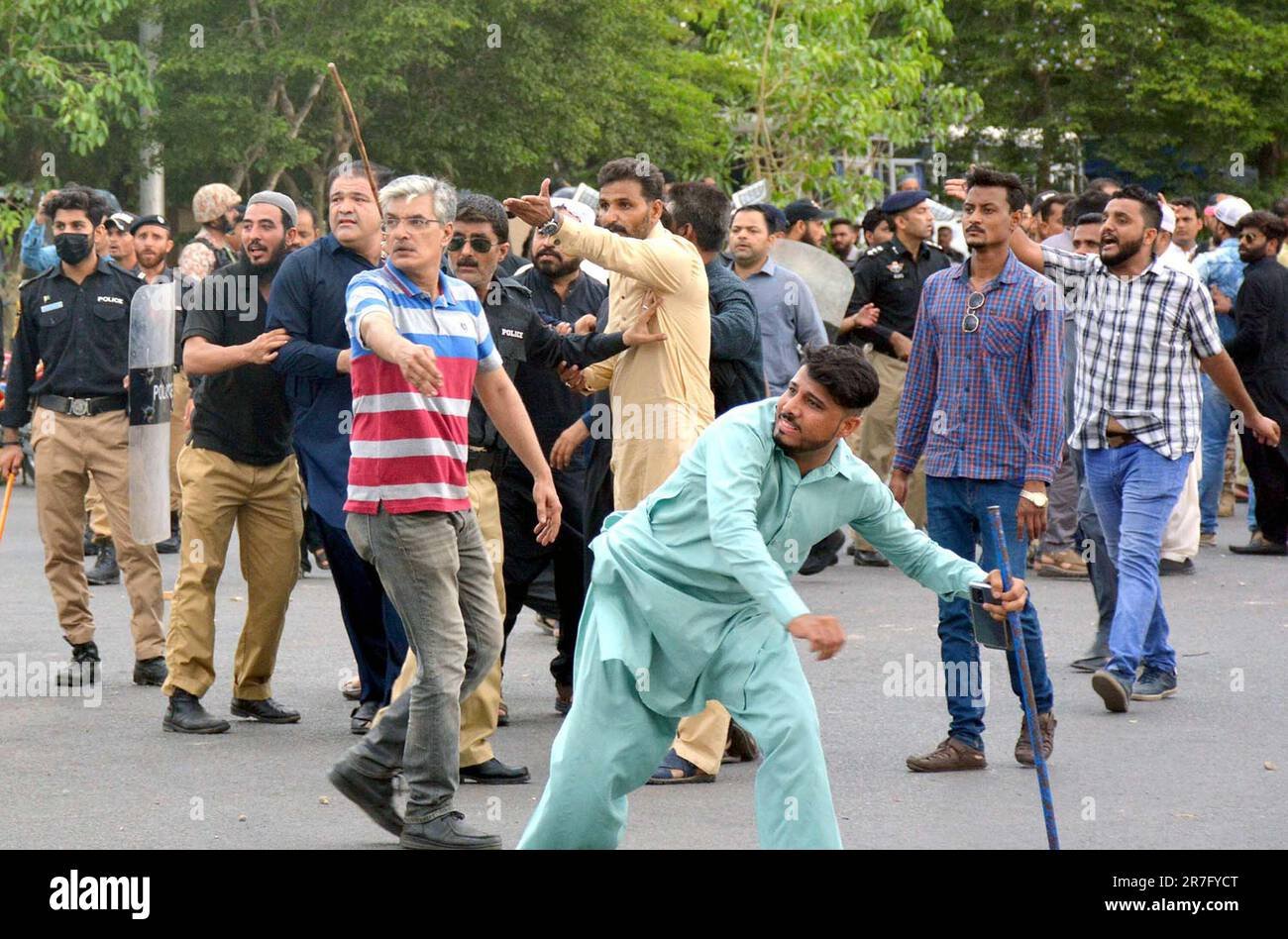
While considering the petition, the IHC examined previous political protests in Islamabad, including events in May 2022 and November 2024. The judgment referred to earlier court directions and incidents involving disruption, damage to property and law-and-order concerns.
The court noted that previous assurances and judicial directions concerning demonstrations had not always been followed. These earlier events formed part of the background considered by the bench while assessing the concerns surrounding the proposed September 27 march.
The judgment also referred to the Supreme Court’s earlier rulings concerning protests and sit-ins, emphasising that the constitutional right to peaceful assembly remains subject to legal restrictions and cannot be exercised by infringing the fundamental rights of other citizens.
What the Ruling Means for the March
The IHC PTI march ruling does not simply focus on political participation. Instead, it establishes conditions concerning how political demonstrations must operate within the legal and constitutional framework.
The court held that a march or procession cannot be used to suspend citizens’ rights, block essential infrastructure or prevent normal commercial, educational and medical activity. At the same time, reporting on the judgment indicates that the court’s directions were focused on regulating unlawful obstruction and protecting citizens’ rights rather than imposing a blanket prohibition on political expression.
The court also held that aggression by a federating unit against the federation through a march or procession would be unconstitutional and unlawful, and warned that those organising or participating in activities that violate the law could face consequences under the Constitution and relevant legislation.
Authorities Given Clear Responsibilities
The Islamabad administration and Ministry of Interior were directed to protect citizens’ constitutional rights within the federal capital. Relevant federal and Islamabad officials were also given responsibilities for ensuring compliance with the court’s directions.
For provincial governments, the message was similarly clear: state resources and public servants cannot be diverted to facilitate political activity.
The IHC PTI march ruling therefore places responsibilities on both political actors and government authorities. Organisers must ensure that demonstrations do not unlawfully obstruct citizens, while government officials must ensure that state machinery is not used for political purposes.
The detailed judgment ultimately provides a legal framework for dealing with the proposed September 27 activity, with particular emphasis on freedom of movement, access to essential services, protection of public infrastructure and the constitutional rights of citizens in Islamabad.