China has rejected US pressure over its economic relationship with Russia, saying normal international trade should not be disrupted or coerced by third parties. The latest comments have put China Russia trade at the center of a growing dispute over proposed US measures targeting countries that continue purchasing Russian oil and gas.
Chinese Foreign Ministry spokesman Guo Jiakun made the remarks in Beijing on Thursday while responding to a US congressional measure that could authorize tariffs of up to 100 percent on countries buying Russian energy. Such a measure could affect major purchasers including China and India.
China Defends Normal Trade Relations
Guo said China conducts economic and trade cooperation with other countries based on equality and mutual benefit. He stressed that such cooperation is not directed against any third party.
The Chinese official also reiterated Beijing’s opposition to what it described as “long-arm jurisdiction” when it lacks a basis in international law or authorization from the United Nations Security Council.
His comments reflect Beijing’s position that countries should be able to maintain normal economic relationships without pressure from outside governments.
The issue has become particularly significant because of the scale of China Russia trade and the two countries’ growing economic relationship.
US House Approves Sanctions Measure
The Chinese response came after the US House of Representatives approved the sanctions measure by 262 votes to 159 on Wednesday.
The legislation had previously passed the US Senate and includes measures targeting Russian officials, banks, as well as the country’s energy and defense sectors.
One of the most significant provisions would give the US president authority to impose tariffs of up to 100 percent on major purchasers of Russian oil and gas.
If implemented, the measure could place additional pressure on countries that continue importing Russian energy. China and India are among the major buyers that could potentially be affected by such a policy.
The legislation represents another effort by Washington to increase economic pressure on Russia by targeting not only Russian entities but also countries continuing significant energy trade with Moscow.
China and Russia Expand Economic Ties
Economic relations between China and Russia have expanded considerably in recent years. Bilateral trade exceeded $240 billion in 2024, according to the figures cited in the source.
A significant portion of their trade is conducted using their national currencies rather than relying exclusively on the US dollar. This has supported efforts by both countries to strengthen their financial and commercial links.
For Beijing, maintaining China Russia trade is part of its broader approach to international economic cooperation. Chinese officials have repeatedly emphasized that their trade relationships should be based on commercial interests and mutual benefit.
The growing volume of trade also means that any major restrictions affecting Russian energy purchases could have wider implications for companies and markets connected to the two economies.
Energy Remains a Key Issue
Energy is an important component of the relationship between China and Russia. Russia is a major global energy producer, while China has significant energy requirements to support its large economy.
The proposed US tariffs therefore raise questions about how countries importing Russian oil and gas would respond if the measures were implemented.
For China, the issue is not simply about energy supplies. Beijing is also defending what it considers its right to conduct normal economic relations with other countries.
Guo’s comments indicate that China does not accept the idea that third countries should determine which international commercial relationships Beijing can maintain.
Strategic Partnership
The economic relationship is closely connected to broader political ties between Beijing and Moscow.
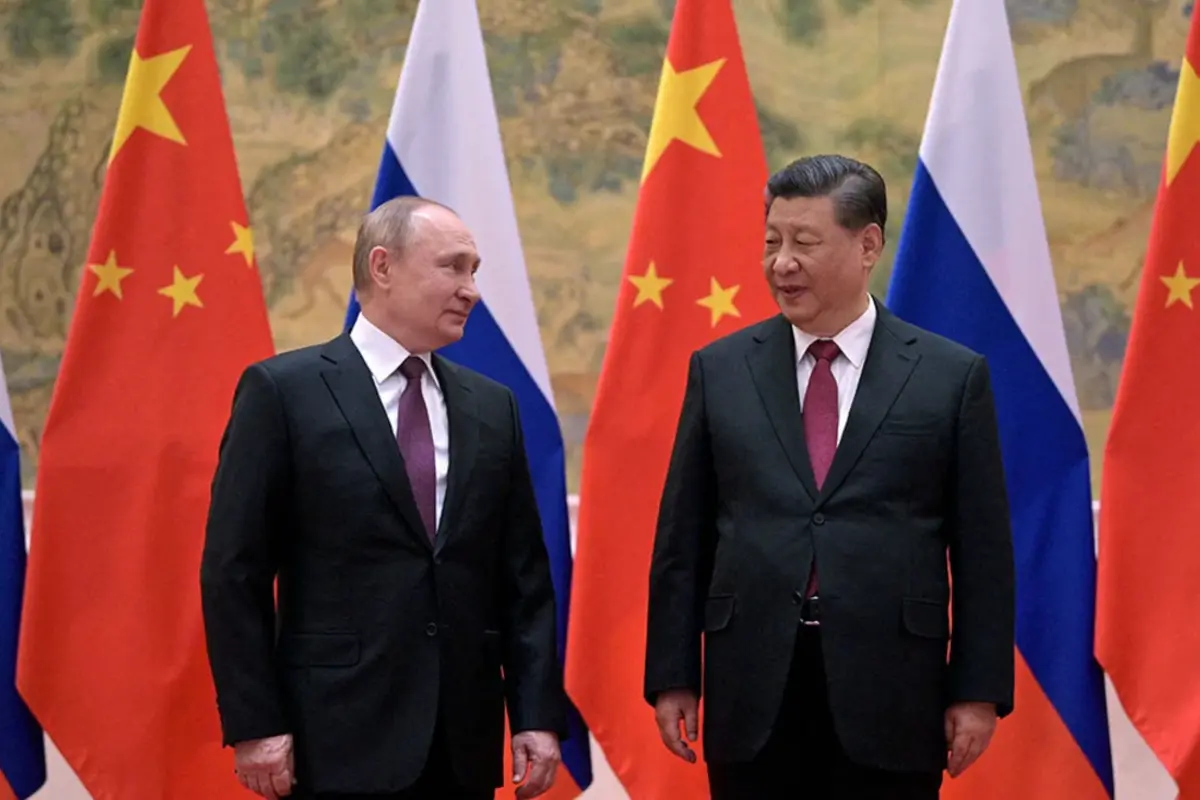
Chinese President Xi Jinping and Russian President Vladimir Putin have repeatedly described relations between their countries as a comprehensive strategic partnership.
The two governments have continued to strengthen cooperation across areas including trade, energy and other economic sectors.
The expansion of China Russia trade has occurred despite increased Western sanctions and restrictions against Russia following the conflict in Ukraine.
China has maintained its position that it should be free to conduct normal economic relations with Russia, while the United States and its allies have continued using sanctions and other economic measures to increase pressure on Moscow.
Potential Impact of Tariff Threats
If the proposed US measures become law and are implemented against major purchasers of Russian energy, businesses involved in international trade could face additional uncertainty.
Potential tariffs of up to 100 percent could significantly increase the cost associated with affected transactions. Countries targeted under such measures could then have to assess their energy needs, trade relationships and broader economic interests.
For China, however, the government’s latest comments indicate that Beijing intends to defend its existing approach to international trade.
The future direction of China Russia trade will therefore depend not only on economic demand but also on how governments respond to increasing geopolitical and trade pressures.
Looking Ahead
The latest dispute highlights the growing connection between international trade and geopolitical competition. China is defending its economic cooperation with Russia as normal trade based on mutual benefit, while the United States is considering additional measures designed to put pressure on countries purchasing Russian energy.
With bilateral trade already exceeding $240 billion and the two countries maintaining close strategic ties, their economic relationship remains significant.
The debate over China Russia trade is likely to continue as Washington considers further sanctions and tariff measures, while Beijing maintains that international economic cooperation should not be disrupted through pressure from third parties.