The petroleum levy has become the center of a fresh dispute between the government and Jamaat-e-Islami (JI), with the party rejecting the government’s special fuel relief scheme. JI says targeted discounts on petrol cannot replace its demand for the complete abolition of the levy and has announced that its planned protest march towards Islamabad will continue.
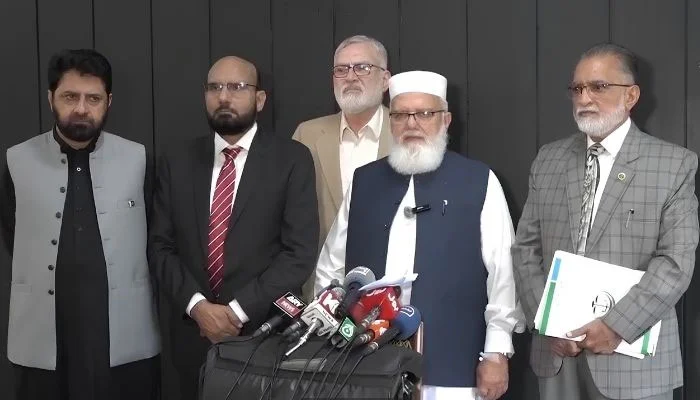
JI Deputy Emir Liaqat Baloch made the remarks after a delegation-level meeting with government representatives in Islamabad. The talks focused on issues including independent power producers (IPPs), fuel prices and the petroleum levy, which JI has repeatedly criticized as an additional burden on consumers.
JI Demands End to Petroleum Levy
Speaking to the media after the meeting, Liaqat Baloch said JI had made its position clear to the government: the levy should be abolished.
According to Baloch, removing the petroleum levy could provide consumers with relief of around Rs103 per litre on petrol. He argued that the government’s special discount scheme does not address the underlying issue because it provides temporary assistance to selected groups instead of reducing the overall burden on fuel consumers.
JI has therefore rejected the relief package as a substitute for its broader demand. The party has also asked government representatives to convey its position to Prime Minister Shehbaz Sharif.
The political party has announced a march towards Islamabad on September 20 to protest against fuel prices and the levy. Baloch indicated that the planned protest would proceed despite the government’s latest relief measures.
Government Explains Fuel Relief Plan
The government, however, has defended its approach and says targeted subsidies are a more effective way to assist people who are most affected by rising fuel costs.
Petroleum Minister Ali Pervaiz Malik and Energy Minister Awais Leghari briefed the JI delegation about developments in the petroleum sector, fuel availability and the mechanism used to determine petrol prices.
The government also explained that petroleum prices are calculated using a seven-day rolling average. Officials said the mechanism is designed to reflect changes in international oil prices while maintaining a regular system for adjusting domestic fuel prices.
The government has also emphasized that fuel supplies remained uninterrupted during the recent crisis.
Who Can Receive the Petrol Discount?
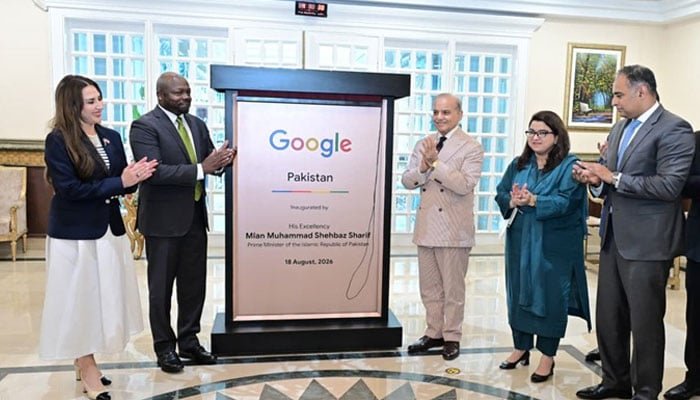
Prime Minister Shehbaz Sharif recently launched a special relief scheme aimed at providing targeted support to lower-income and more vulnerable fuel consumers.
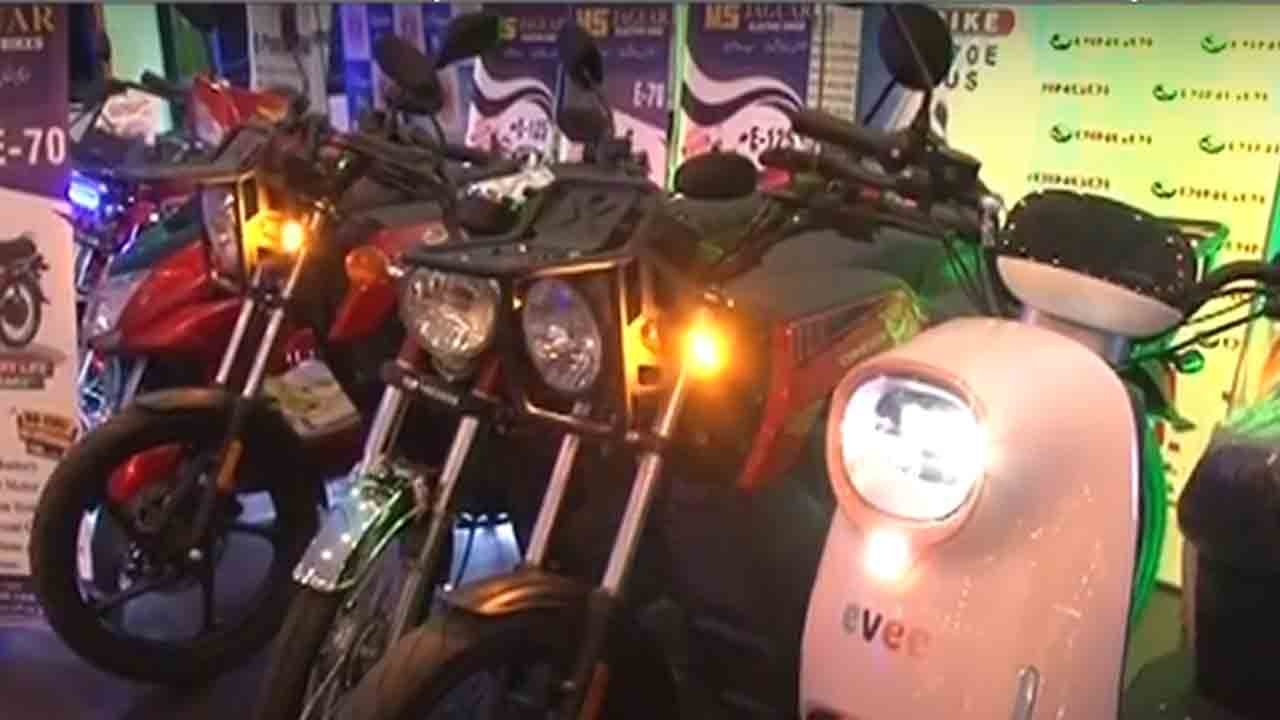
Under the program, motorcycle users, rickshaw and Qingqi drivers, and owners or users of other two- and three-wheeled vehicles can receive a discount of Rs100 per litre on up to 20 litres of petrol per month.
Small-car users are also included. Owners and users of vehicles with engines up to 800cc can receive Rs100 per litre relief on up to 30 litres of petrol each month.
The government says the targeted nature of the scheme allows limited public funds to be directed toward groups that are particularly sensitive to fuel prices.
Different Views on the Relief Package
The disagreement over the petroleum levy reflects two different approaches to providing relief.
The government believes targeted subsidies can quickly support specific groups without eliminating an important source of revenue. JI, on the other hand, argues that consumers would receive broader and more meaningful relief if the levy itself were abolished.
A government statement following the meeting said JI welcomed the fuel relief measures while also calling for a permanent solution to basic issues. JI’s public comments, however, indicate that the party remains dissatisfied with the government’s overall approach.
The disagreement is therefore not simply about the current discount. It is also about how fuel prices should be structured and how the government should collect revenue from petroleum products.
Tax Reforms Also Discussed
The talks also covered wider economic issues. Bilal Azhar Kayani told the JI delegation that the government was working to broaden the tax base and encourage greater reliance on direct taxation.
This is significant because JI has argued that the government should seek alternative ways of increasing revenue rather than placing a heavier burden on ordinary consumers through fuel-related charges.
The government representatives assured the delegation that JI’s recommendations would be presented to Prime Minister Shehbaz Sharif.
What Happens Next?
The dispute over the petroleum levy is likely to remain a major political issue as the September 20 Islamabad march approaches. While the government has introduced targeted fuel relief, JI wants the levy abolished altogether.
For consumers, the key question is whether the current subsidy will provide lasting relief or whether fuel costs will continue to rise because of taxes and other charges.
The government and JI may still have room for further negotiations, particularly if both sides are willing to consider longer-term reforms. Until then, the petroleum levy remains at the heart of the disagreement, with JI demanding its removal and the government defending targeted subsidies as a practical way to support vulnerable fuel users.