Iran’s military leadership has issued a strong warning to its adversaries, saying any threat or miscalculation against the country would trigger a forceful and potentially devastating response. Major General Ali Abdollahi, Chief of Staff of Iran’s Armed Forces, made the remarks as tensions involving Iran, the United States and Israel remain high.
The warning was delivered in a message marking Iran’s Defense Industry Day on August 22. Abdollahi said the country’s armed forces maintain readiness across multiple domains and are prepared to respond to both conventional and modern forms of warfare.
Iran Signals Broad Military Readiness
According to Abdollahi, Iran’s military preparedness extends across land, sea, air, air defense, space and cyberspace. He emphasized that the country has developed capabilities designed to respond to changing security challenges.
The commander warned that any miscalculation by Iran’s opponents could have serious consequences. His statement reflected Tehran’s longstanding position that maintaining military readiness is essential to deterring external attacks.
The remarks come during a period of continued tensions between Iran and its adversaries, particularly the United States and Israel. Tehran has previously responded to attacks by targeting military assets linked to its opponents in the region.
Abdollahi’s latest comments therefore serve both as a warning and as a declaration that Iran considers itself prepared for a wide range of possible scenarios.
Defense Industry at the Center of Iran’s Strategy
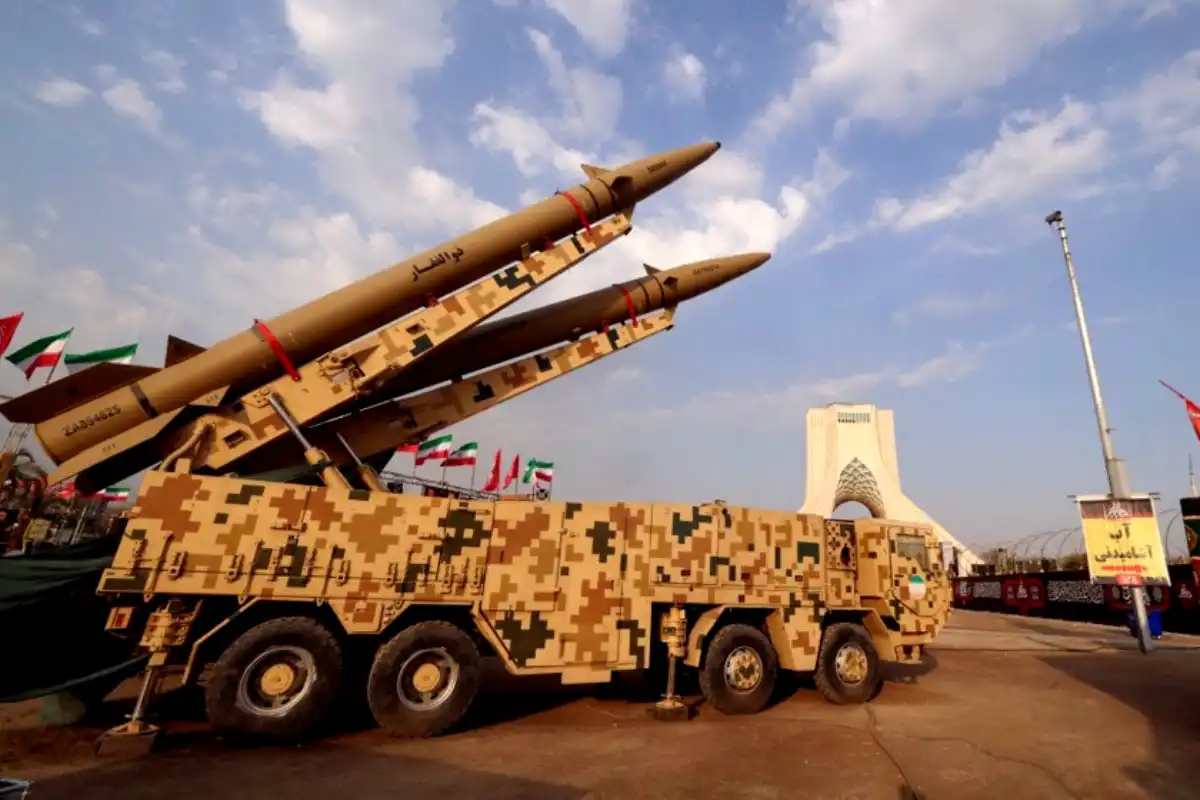
A major part of Abdollahi’s message focused on Iran’s domestic defense industry. He described Defense Industry Day as an expression of the country’s indigenous military capabilities and its efforts to maintain defense production despite international sanctions.
Iran has spent decades developing domestic military technologies while facing restrictions on access to foreign equipment and advanced technologies. Iranian officials frequently describe self-reliance as an important component of national security.
Abdollahi praised scientists, engineers and workers involved in the country’s defense sector, saying their efforts had strengthened Iran’s ability to produce and maintain military capabilities domestically.
The commander also argued that Iran’s defense industry has evolved beyond simply manufacturing military equipment. In his view, it now involves research, technology development, production, supply chains and economic planning.
Changing Nature of Modern Warfare
The reference to space and cyberspace in Abdollahi’s warning highlights how military competition has expanded beyond traditional battlefields.
Modern conflicts increasingly involve cyber operations, electronic systems, intelligence capabilities, unmanned technologies and space-based infrastructure. Countries therefore seek to develop capabilities that can protect critical systems while maintaining the ability to respond to threats across different domains.
For Iran, developing such capabilities is also closely connected to its broader strategy of reducing dependence on foreign suppliers.
The country’s leadership has repeatedly argued that sanctions have encouraged domestic technological development. While Iran continues to face significant economic and technological restrictions, officials maintain that these pressures have also accelerated efforts to strengthen domestic production.
Regional Tensions Remain a Concern
The warning from Iran’s military leadership comes against a complicated regional security backdrop. Relations between Tehran and Washington have remained tense for decades, while Iran and Israel have also been involved in repeated confrontations and indirect conflicts.
The possibility of escalation remains a concern because military incidents involving Iran could quickly affect neighboring countries and important regional infrastructure.
Iran has a significant military presence and network of allied groups across parts of the Middle East, while the United States maintains military forces and bases in several countries in the region. This creates multiple potential points of confrontation.
Against this background, statements from senior Iranian commanders are closely watched because they can indicate how Tehran views the current security environment.
Self-Reliance as a Strategic Objective
Abdollahi also linked Iran’s defense development to the country’s historical experience of conflict and international pressure. He argued that previous confrontations demonstrated Iran’s ability to preserve its defense capabilities despite external challenges.
The emphasis on self-reliance reflects a broader Iranian policy that seeks to strengthen domestic manufacturing and technological expertise. Rather than depending entirely on imported military equipment, Tehran has invested in developing indigenous systems.
Iranian officials consider this approach important not only for defense but also for maintaining what they describe as national independence.
What the Warning Means
The latest statement does not necessarily indicate that a new military confrontation is imminent. Instead, it reinforces Iran’s deterrence message at a time when regional tensions remain elevated.
By highlighting readiness across land, maritime, air, space and cyber domains, Iran is signaling that it wants potential opponents to consider the broader consequences of military action.
The message also demonstrates the importance Tehran places on its domestic defense industry. For Iran, maintaining military readiness is closely connected to technological self-sufficiency and the ability to withstand external pressure.
Iran’s military warning reflects a familiar strategy: deter potential attacks by emphasizing preparedness and the ability to respond. Whether such warnings help reduce the possibility of conflict or contribute to further tensions will depend largely on how Iran and its adversaries manage future confrontations and diplomatic channels.