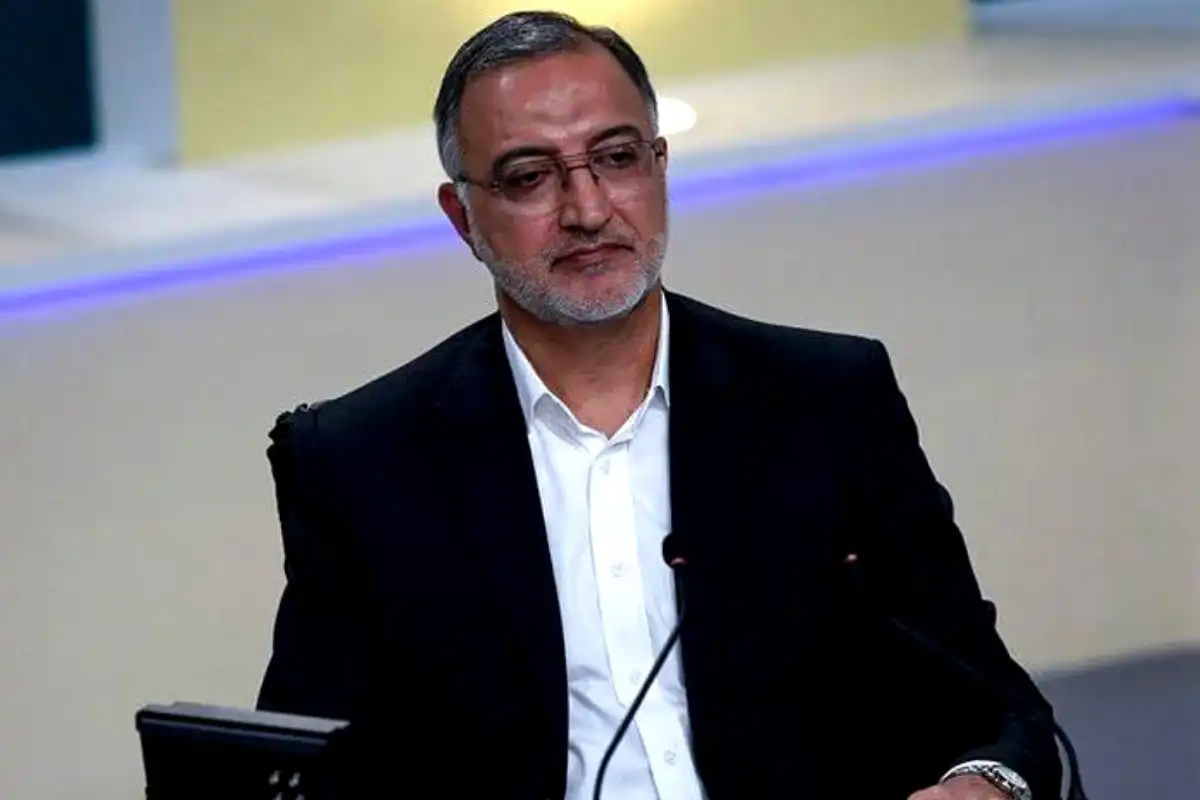
Tehran Mayor Alireza Zakani has claimed that Mojtaba Khamenei was the main target of a missile strike that killed Iran’s former Supreme Leader Ayatollah Ali Khamenei. According to Zakani, the missile hit the building where Mojtaba was staying, although the claim has not been independently verified.
Zakani Describes the Missile Strike
In an interview with the Student News Network, Zakani said the missile struck the exact building where Mojtaba Khamenei was present at the time of the attack. The Tehran mayor suggested that the location of the strike indicated that Mojtaba may have been the intended target.
The claim adds a significant new detail to Iranian accounts surrounding the reported February 28 attack. According to the information provided by Iranian authorities, the strike targeted the residence compound of Iran’s Supreme Leader and resulted in the death of Ayatollah Ali Khamenei and members of his family.
Zakani said Mojtaba Khamenei survived the attack but sustained injuries. Details about the nature or severity of those injuries were not provided.
Why Mojtaba Khamenei Was at the Location
Zakani also discussed the circumstances surrounding Mojtaba’s presence at the compound. He said Mojtaba’s wife, Zahra Haddad, normally leaves home for work at around 7:30am.
However, she reportedly stayed at home on the day of the missile strike because she was unwell. According to Zakani, this meant that both Mojtaba and his wife were inside the building when the attack occurred.
The mayor’s account suggests that the circumstances may have influenced who was present at the location when the missile struck. However, there is no independent confirmation establishing whether Mojtaba Khamenei was specifically identified as the target.
A Major Turning Point for Iran
The reported death of Ayatollah Ali Khamenei represented a major development for Iran’s political leadership. Following his death, Mojtaba Khamenei was appointed as Iran’s new Supreme Leader, according to the account provided.
His emergence as the country’s top political and religious authority has placed considerable attention on his background and the circumstances surrounding the attack in which his father was killed.
The allegation that Mojtaba himself was the primary target could therefore have broader implications. If confirmed, it would suggest that the strike may have been aimed at Iran’s future leadership as well as its existing political establishment.
At present, however, the details remain based on statements from Iranian officials and have not been independently verified.
What Happened on February 28?
The missile attack reportedly took place on February 28, with Iranian accounts attributing the operation to joint US and Israeli action.
The strike reportedly hit the residence compound associated with Iran’s Supreme Leader. Ayatollah Ali Khamenei was killed, along with several members of his family, according to Iranian reports.
The circumstances surrounding the attack remain a subject of intense international attention. Questions about the precise target, intelligence used to identify the location and the intended objectives of the operation could become increasingly important as more information emerges.
Zakani’s latest comments provide another perspective on the possible target, but they do not independently establish the motivation behind the strike.
Leadership Change After the Attack
The reported succession of Mojtaba Khamenei following his father’s death has added another dimension to the story. Iran’s Supreme Leader holds a powerful position within the country’s political system, overseeing major state institutions and exercising significant influence over national security and foreign policy.
As a result, the transition from Ayatollah Ali Khamenei to Mojtaba represents a major leadership change.
If Zakani’s account is accurate, the new Supreme Leader may have survived an attack that killed his predecessor while he was inside the same building. That would make the February 28 strike even more consequential in understanding Iran’s leadership transition.
Claims Await Independent Verification
The allegations surrounding Mojtaba Khamenei and the missile strike remain significant but should be treated cautiously until independent evidence becomes available.
Zakani’s statement provides specific details about the location of the strike, Mojtaba’s presence and his reported injuries. However, statements from officials involved in an ongoing geopolitical conflict can reflect political narratives, making independent verification especially important.
Further information from satellite imagery, intelligence assessments, eyewitness accounts or other reliable sources could eventually clarify what happened and whether Mojtaba was deliberately targeted.
The Tehran mayor’s claim has added a new element to the story of the February 28 attack. If independently confirmed, it could offer important insight into the objectives of the operation and the circumstances surrounding Iran’s dramatic leadership transition.