The debate over FIFA governance has intensified after UEFA, the Asian Football Confederation (AFC) and Concacaf accused FIFA of a “fundamental breach of trust” and “deception” over a controversial proposal involving the commercial operations of the World Cup.
In a joint open letter issued Monday, the three football confederations strongly criticized the way the proposal was handled. They argued that the issue was not simply a matter of communication or procedure but raised deeper questions about transparency, accountability and the integrity of football’s global governing system.
Dispute Over World Cup Commercial Company
The controversy centers on plans to establish FIFA Forward Enterprise (FFE), a company intended to oversee important commercial and operational aspects of the World Cup.
Under the proposal, FIFA could potentially sell around 20 percent of the company to private investors. Reports suggested that some potential investors could have connections to US President Donald Trump.
The proposal immediately attracted attention because of the potential influence private investors could have over an organization connected to one of the world’s biggest sporting events.
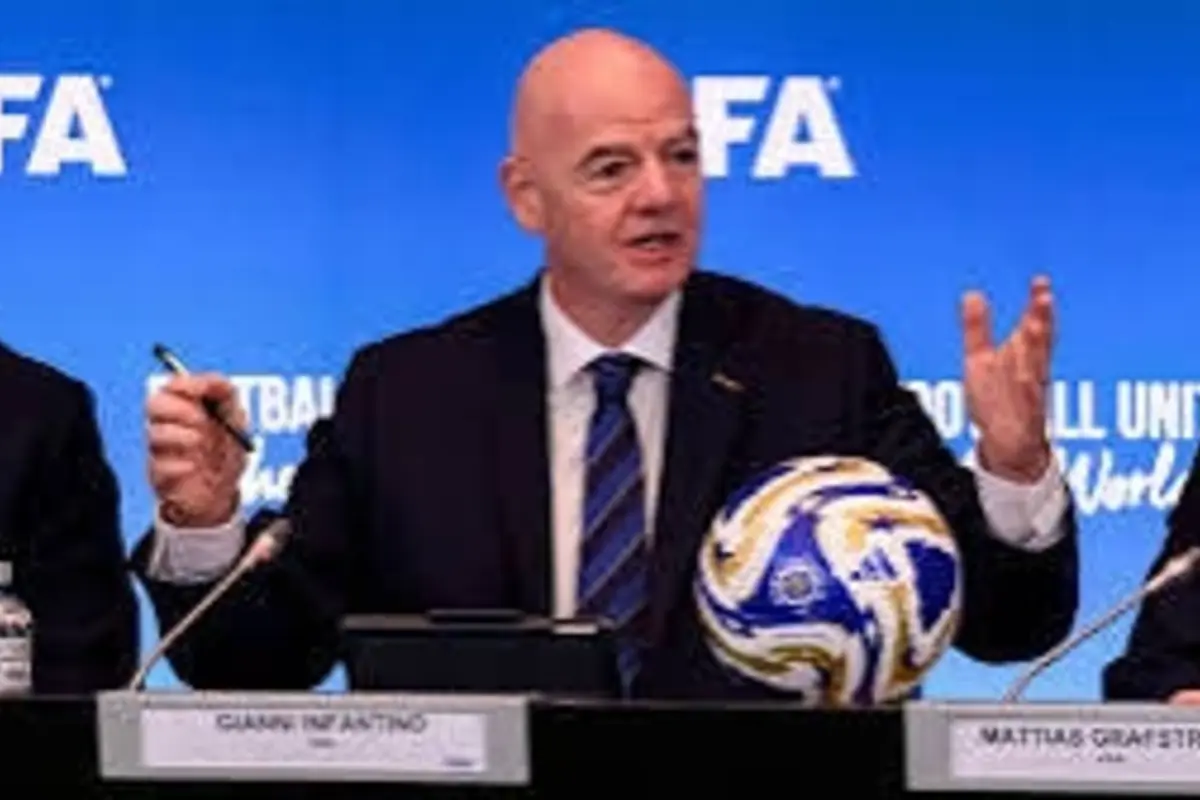
FIFA President Gianni Infantino later apologized for what he described as problems surrounding the proposal. However, UEFA, AFC and Concacaf argued that an apology did not resolve their concerns.
Their response has placed FIFA governance at the center of an increasingly serious dispute within international football.
Confederations Question Transparency
In their joint letter, the three confederations said the controversy represented something much deeper than an administrative misunderstanding.
They argued that the situation concerned the integrity of football and the responsibility of those elected to lead the sport.
The unusually strong language reflects growing concerns among major football bodies about how important commercial decisions are made within FIFA.
The confederations’ criticism also highlights the importance of consultation between FIFA and its six continental confederations. UEFA, AFC and Concacaf represent some of the world’s largest football markets, making their public disagreement particularly significant.
For many observers, the dispute demonstrates how disagreements over commercial structures can quickly become broader questions about FIFA governance.
Infantino Under Pressure
Although the joint statement did not directly name Infantino, its criticism was clearly directed toward the FIFA president and the leadership surrounding the proposal.
Infantino has been one of the most influential figures in international football since becoming FIFA president. Under his leadership, FIFA has pursued major commercial and tournament-related initiatives while also expanding several of its competitions.
The latest controversy, however, could create additional political pressure ahead of next year’s FIFA presidential election.
The timing is particularly important because debates over leadership, transparency and decision-making could become central issues during the election campaign.
The dispute may also encourage football associations to demand greater involvement in major financial and commercial decisions.
Why the Issue Matters
FIFA manages one of the world’s most valuable sporting properties through the World Cup. The tournament generates billions of dollars in commercial activity through broadcasting rights, sponsorships, ticketing and other revenue streams.
Any proposal to bring private investors into a company responsible for World Cup-related operations therefore carries significant financial and governance implications.
Critics are likely to ask how ownership would work, how profits would be distributed and what rights private investors would receive.
They may also question whether commercial interests could influence decisions traditionally controlled by football’s governing institutions.
These questions make FIFA governance particularly important as the organization considers new ways to manage and expand its commercial operations.
A Wider Governance Debate
The latest disagreement is not simply about one proposed company. It reflects a broader debate about how global football should be governed.
FIFA needs commercial income to fund competitions, development programs and football projects around the world. At the same time, its commercial decisions must maintain the confidence of national associations, continental confederations, players and supporters.
The public disagreement involving UEFA, AFC and Concacaf suggests that confidence in the current decision-making process may require renewed attention.
For FIFA, restoring trust could become just as important as defending the financial logic behind its commercial plans.
The immediate future of the FIFA Forward Enterprise proposal remains uncertain. Infantino’s apology may help reduce tensions, but the concerns raised by the three confederations are broader than the proposal itself.
FIFA will likely face increased scrutiny over how future commercial initiatives are developed and communicated.
The upcoming presidential election could provide another platform for debate over the organization’s direction.
Ultimately, the controversy has placed FIFA governance under an intense spotlight. Whether the dispute develops into a lasting political challenge for Infantino will depend on how FIFA responds to concerns about transparency, consultation and accountability.
For global football, the episode serves as a reminder that major commercial decisions are not only financial matters. They can also affect trust in the institutions responsible for protecting the integrity and future of the sport.