The Strait of Hormuz reopening will depend on the United States accepting Iran’s conditions and ending what Tehran describes as interference in regional negotiations, according to Islamic Revolutionary Guard Corps (IRGC) spokesman Brigadier General Hossein Mohebi. His comments highlight the strategic importance Iran places on the narrow waterway and its role in the wider geopolitical tensions affecting the region.
Iran Sets Conditions for Reopening
Speaking at a National Journalists’ Day ceremony in Bandar Abbas on Saturday, Mohebi said the decision regarding the Strait of Hormuz reopening would be made according to Iran’s own mechanisms and conditions. He stressed that the decision was not directly connected to ongoing negotiations between Iran and Oman.
According to the IRGC spokesman, the waterway will be reopened when Washington accepts Tehran’s demands and stops interfering in regional negotiations. His comments suggest that Iran views the status of the strait as part of a much broader political and security dispute rather than simply a question involving maritime trade.
The statement adds another dimension to the already complex situation surrounding one of the world’s most strategically important waterways.
Why the Strait of Hormuz Matters
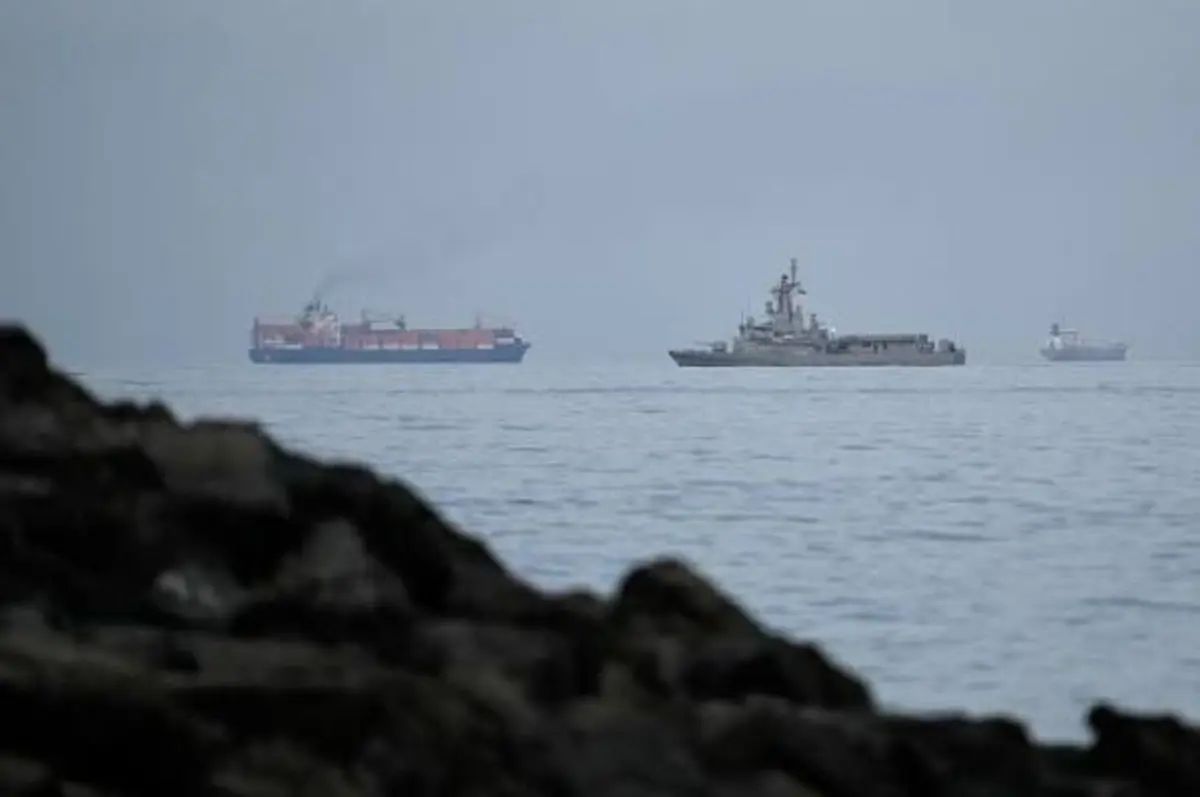
The Strait of Hormuz connects the Persian Gulf with the Gulf of Oman and the Arabian Sea. Its location gives it enormous strategic importance because major energy-producing countries depend on the waterway to transport oil and other commodities to international markets.
For decades, the strait has remained a central feature of discussions about Middle Eastern security. Any disruption to shipping through the waterway can create concerns about energy supplies, transportation costs and global market stability.
Iran’s leadership has repeatedly emphasized that the strait is not merely an economic passage. Mohebi described it as an important element of Iran’s geopolitical and strategic power.
This perspective explains why the Strait of Hormuz reopening has become closely connected with wider diplomatic and military developments.
A Geopolitical Tool
Mohebi argued that the importance of geography has returned to modern military calculations. In his assessment, strategic locations and geographical advantages remain extremely important despite advances in technology and changes in warfare.
The IRGC spokesman said the Strait of Hormuz had evolved from a conventional economic route into an instrument of geopolitical influence and warfare.
His remarks indicate that Tehran considers control and access to the waterway part of its broader strategic capabilities. The strait’s location gives Iran an important position in any confrontation involving the Persian Gulf.
As a result, the issue of Strait of Hormuz reopening cannot easily be separated from broader questions about regional security and international diplomacy.
Impact on Regional Negotiations
Mohebi specifically rejected the idea that reopening the waterway would simply follow negotiations between Iran and Oman. Instead, he said the decision would depend on Iran’s own conditions and mechanisms.
He also accused Washington of interfering in regional negotiations, arguing that the United States must change its approach before the strait can be reopened.
The comments suggest that Iran sees the waterway as leverage in a larger diplomatic process.
For countries in the region, developments involving the strait are particularly sensitive because their economies and security interests are closely connected to maritime trade.
Global Economic Concerns
Any prolonged uncertainty surrounding the Strait of Hormuz can attract international attention because of its importance to global energy markets.
Oil and gas shipments passing through the region supply major economies across Asia and other parts of the world. Concerns about disruption can therefore influence energy prices, shipping costs and investor confidence.
Although the immediate consequences depend on the scale and duration of any restrictions, the strategic importance of the waterway means that developments can quickly become an international issue.
This is one reason the Strait of Hormuz reopening is being watched closely by governments, businesses and energy markets.
Geography Returns to the Battlefield
Mohebi’s comments about geography also reflect a broader shift in military thinking. Modern conflicts increasingly rely on advanced missiles, drones, surveillance systems and cyber capabilities, but geographical chokepoints continue to influence military strategy.
The Strait of Hormuz is a clear example. Its narrow passage, location and proximity to major energy-producing countries make it strategically valuable.
For Iran, the strait represents both an economic route and a source of geopolitical influence. Its importance extends well beyond maritime transportation.
The future of the Strait of Hormuz reopening will depend heavily on developments between Iran and the United States. If diplomatic tensions ease and Iran’s conditions are addressed, the situation could change.
However, if disagreements continue, the waterway could remain an important point of pressure in the regional confrontation.
The statements from the IRGC indicate that Tehran is treating the issue as part of a broader strategic equation rather than as an isolated maritime matter.
Iran’s latest position shows that the Strait of Hormuz remains a major factor in the region’s political and security landscape. Brigadier General Hossein Mohebi’s comments make clear that Tehran does not view reopening the waterway as a simple economic decision.
Instead, the Strait of Hormuz reopening has been linked to Iran’s broader political and strategic demands, particularly its call for the United States to stop interfering in regional negotiations.
As tensions continue to shape the region, the strait is likely to remain one of the most closely watched strategic waterways in the world.