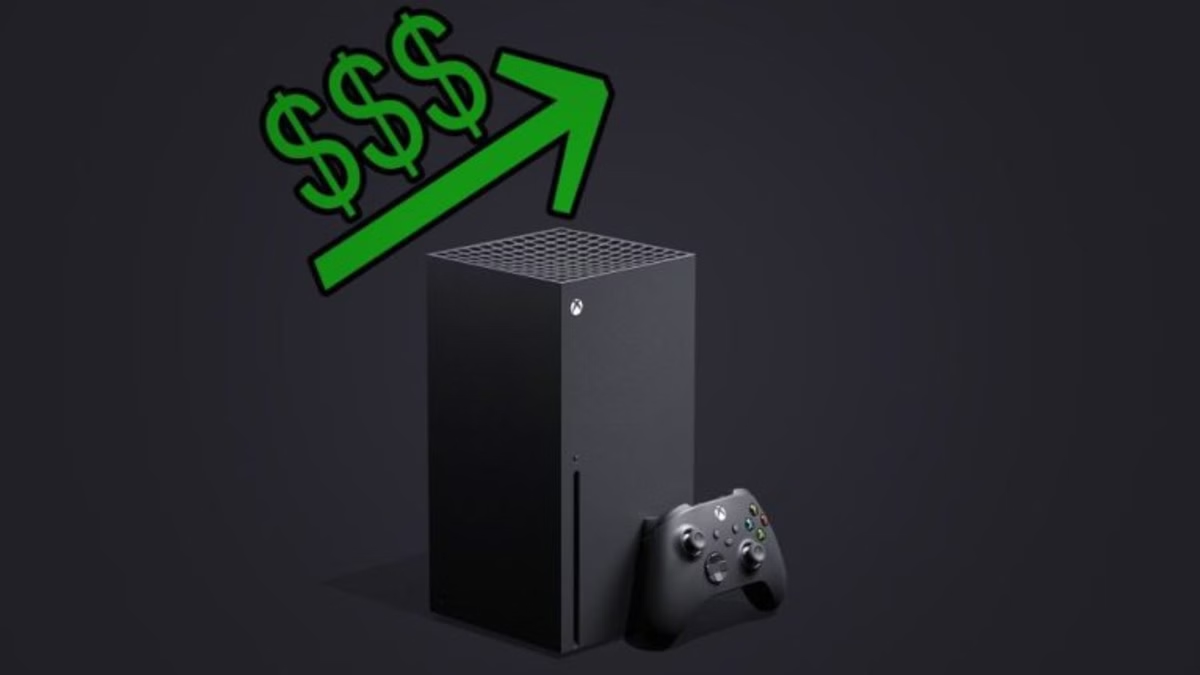
The Xbox Console Price Increase has officially taken effect across Europe and the United Kingdom, leaving gamers facing significantly higher costs for Microsoft’s latest gaming consoles. The updated pricing, effective from August 1, marks one of the largest price revisions in recent years, with some Xbox models becoming as much as €200 and £170 more expensive. The move follows Microsoft’s earlier announcement of global price adjustments and reflects rising hardware production costs affecting the gaming industry.
Microsoft Raises Xbox Prices Across Europe
The Xbox Console Price Increase has impacted every major Xbox Series S and Xbox Series X model sold in Europe.
Under the revised pricing structure:
- Xbox Series S 512GB now costs €499.99, previously €349.99.
- Xbox Series S 1TB has increased to €599.99 from €399.99.
- Xbox Series X Digital 1TB now sells for €749.99, up from €549.99.
- Xbox Series X 1TB is priced at €799.99, compared to its previous €599.99.
These increases range between €150 and €200, making Europe one of the most affected regions by Microsoft’s latest pricing strategy.
UK Gamers Also Face Higher Prices
Customers in the United Kingdom are also experiencing substantial increases.
The updated UK prices include:
- Xbox Series S 512GB: £429.99
- Xbox Series S 1TB: £519.99
- Xbox Series X Digital 1TB: £619.99
- Xbox Series X 1TB: £669.99
Compared to previous retail prices, the increases range from £130 to £170, adding a significant premium for buyers planning to purchase a new Xbox console.
Why Is Microsoft Increasing Prices?
Microsoft attributes the Xbox Console Price Increase to rising manufacturing and component costs.
One of the biggest challenges involves memory and storage hardware, which have become considerably more expensive over the past few years. According to Microsoft, storage component costs have increased multiple times, and additional price hikes are expected before the 2027 holiday shopping season.
Higher production expenses, global supply chain pressures, and increasing demand for advanced semiconductor technology have all contributed to these pricing decisions.
Global Gaming Industry Faces Rising Costs
Microsoft is not the only gaming company adjusting prices.
Earlier this year, Sony also increased PlayStation 5 prices in several international markets, while Nintendo revised prices for selected gaming products and accessories.
The gaming industry continues to experience inflationary pressures affecting manufacturing, shipping, and electronic components. As a result, console makers are passing part of these additional costs on to consumers.
This trend suggests that gaming hardware may continue becoming more expensive over the coming years.
Impact on Gamers
The higher prices could influence purchasing decisions for many gamers, particularly first-time console buyers.
For budget-conscious consumers, the Xbox Series S has traditionally served as an affordable entry point into Microsoft’s gaming ecosystem. However, after the latest adjustments, the console now costs considerably more than before.
Some players may choose to postpone upgrading, wait for promotional discounts, or consider purchasing refurbished consoles instead.
Others may shift toward cloud gaming or subscription services that require less investment in expensive hardware.
Xbox Still Offers Strong Value
Despite the higher prices, Microsoft continues to offer several advantages through its Xbox ecosystem.
Xbox Game Pass remains one of the company’s strongest selling points, providing subscribers access to hundreds of games through a monthly membership.
Cloud gaming capabilities, cross-platform compatibility, backward compatibility, and regular first-party game releases continue to make Xbox an attractive platform for many players.
For existing Xbox users already invested in Microsoft’s ecosystem, the value proposition extends beyond the hardware itself.
Storage Technology Is Becoming More Expensive
One of the major reasons behind the Xbox Console Price Increase is the rising cost of storage technology.
Modern gaming consoles rely on high-speed SSDs that significantly improve loading times and overall performance.
As game file sizes continue to grow, manufacturers require larger and faster storage solutions, increasing production costs.
Memory chips used in gaming consoles are also experiencing price increases due to strong global demand from artificial intelligence, cloud computing, smartphones, and enterprise data centers.
These trends affect nearly every electronics manufacturer worldwide.
What Buyers Should Consider
Consumers planning to purchase a new Xbox may want to compare prices across different retailers, especially during seasonal sales events.
Bundles including games, controllers, or Game Pass subscriptions may offer better overall value than purchasing the console alone.
Gamers should also consider whether the Series S or Series X better suits their needs based on performance expectations, storage requirements, and gaming habits.
Those who already own an Xbox console may find upgrading less urgent unless they specifically need additional storage or improved performance.
Industry analysts believe gaming hardware prices may remain elevated for the foreseeable future.
If manufacturing costs continue rising, future consoles and accessories could also become more expensive.
At the same time, companies like Microsoft are expected to continue investing in digital services, cloud gaming, and subscription platforms that generate recurring revenue beyond hardware sales.
Consumers may increasingly evaluate total ecosystem value rather than focusing solely on console pricing.
The Xbox Console Price Increase represents one of Microsoft’s most significant pricing adjustments in recent years, particularly for customers in Europe and the United Kingdom. While rising manufacturing, storage, and memory costs have largely driven these changes, the increases will undoubtedly affect purchasing decisions for many gamers.
Even with higher prices, Microsoft’s Xbox ecosystem remains competitive thanks to Game Pass, cloud gaming, and a strong library of games. However, buyers may become more selective as gaming hardware continues to grow more expensive in an increasingly competitive market.