As preparations for the annual Arbaeen pilgrimage gather pace, Iran and Iraq have taken an important step to strengthen border cooperation and ensure the safe movement of millions of pilgrims. The latest Arbaeen border security agreement reflects the shared commitment of both countries to improve security, streamline border operations, and facilitate one of the world’s largest religious gatherings.
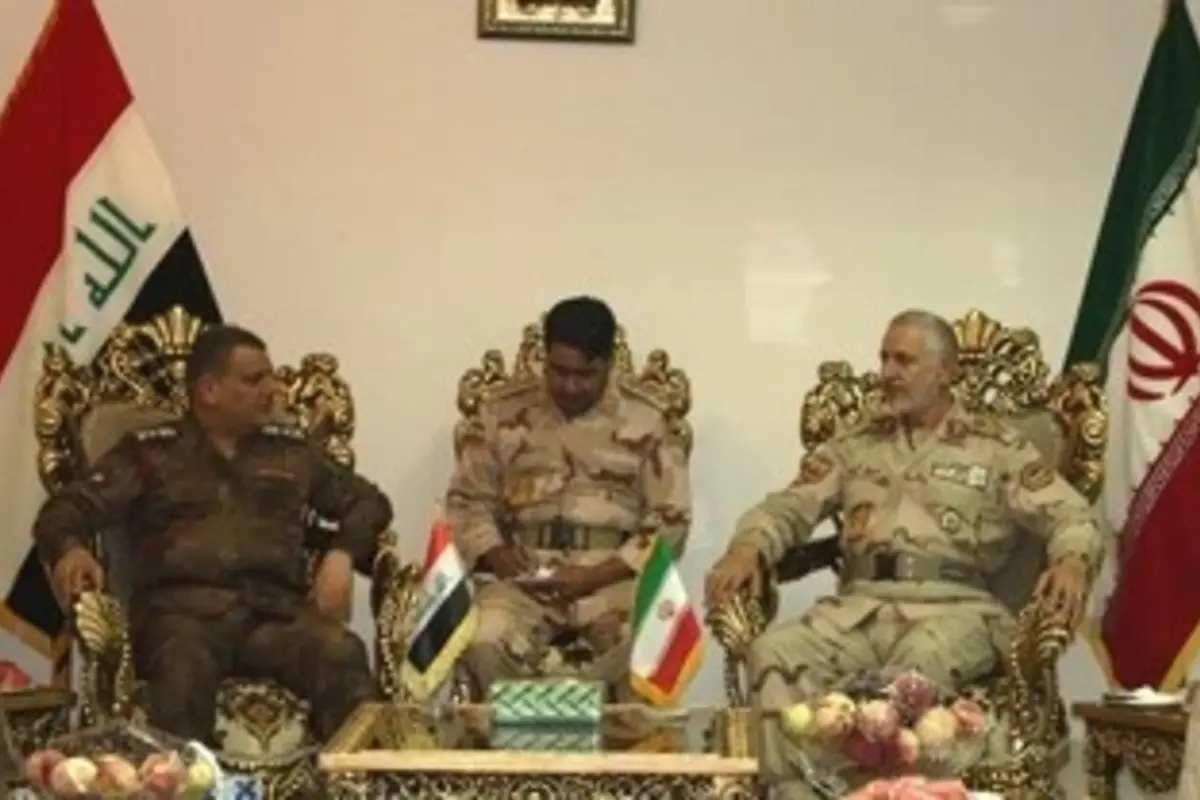
The agreement was finalized during a high-level joint border meeting held in Khanaqin between senior Iranian and Iraqi border security officials. Representatives from both countries discussed security challenges, infrastructure improvements, and measures designed to make the pilgrimage safer and more organized.
Joint Commitment to Stronger Border Security
The annual Arbaeen pilgrimage attracts millions of visitors traveling from Iran and other countries to Iraq to commemorate Imam Hussain (AS). Managing such a large movement of people requires close coordination between neighboring states.
During the meeting, Brigadier General Kiyasat Sepehri emphasized the importance of maintaining strict border discipline while improving cooperation between Iranian and Iraqi security agencies. He highlighted that effective coordination is essential for preventing security threats and ensuring the smooth passage of pilgrims.
Iran also called for enhanced intelligence sharing and continuous communication between border forces to respond quickly to any developing situation during the pilgrimage season.
Focus on Pilgrim Safety
One of the primary objectives of the agreement is to make travel easier and safer for millions of pilgrims expected to cross the border in the coming weeks.
Authorities from both countries agreed to improve coordination at official crossing points, reduce unnecessary delays, and strengthen crowd management systems. Better organization is expected to help minimize congestion while ensuring that security checks remain effective.
Officials also reviewed existing border infrastructure and discussed ways to improve facilities that support travelers during the busy pilgrimage period.
Enhanced Monitoring Along the Border
The discussions covered several important security measures designed to strengthen border protection.
Iran proposed closer monitoring of border regions through improved surveillance and intelligence coordination. Special attention will also be given to monitoring micro air vehicles (MAVs), which could pose security concerns during large public gatherings.
In addition, officials discussed monitoring construction activities near border areas to prevent unauthorized developments that could create security risks or disrupt border management operations.
These preventive measures are intended to improve overall situational awareness while ensuring that legitimate cross-border movement continues without interruption.
Joint Efforts Against Smuggling and Terrorism
Border security discussions extended beyond the pilgrimage itself.
Iranian officials stressed the need for stronger bilateral cooperation to combat cross-border smuggling and prevent terrorist infiltration. Both countries recognize that organized criminal networks and extremist groups can exploit periods of increased border activity.
By increasing intelligence sharing and conducting coordinated operations, Iran and Iraq aim to reduce illegal activities while protecting travelers and local communities.
The agreement reflects a broader strategy of addressing common security challenges through cooperation rather than isolated efforts.
Iraq Reaffirms Commitment to Cooperation
Major General Abd al-Sada Niroz Yassin welcomed the continued partnership between the two neighboring countries.
He emphasized that maintaining friendly relations and resolving border-related issues through dialogue remains a priority for Iraq. According to Iraqi officials, close cooperation between both nations is essential for ensuring regional stability and managing the large-scale logistics associated with the Arbaeen pilgrimage.
The Iraqi delegation expressed its commitment to maintaining regular communication with Iranian authorities throughout the pilgrimage period.
Memorandum of Cooperation Signed
The meeting concluded with both sides signing a memorandum of cooperation focused on strengthening border coordination.
The agreement establishes a framework for closer collaboration in several areas, including:
- Improved intelligence sharing.
- Better coordination between border security forces.
- Enhanced monitoring of border activities.
- Stronger efforts to prevent smuggling and illegal crossings.
- Safe and efficient movement of Arbaeen pilgrims.
The memorandum demonstrates both governments’ willingness to work together in addressing shared challenges while improving services for millions of religious visitors.
Importance of the Arbaeen Pilgrimage
The Arbaeen pilgrimage is considered one of the largest annual religious gatherings in the world, attracting millions of participants every year.
Because of the enormous number of visitors, both Iran and Iraq invest significant resources into transportation, security, healthcare, and border management. Effective planning helps reduce congestion, improve emergency response capabilities, and ensure that pilgrims can complete their journey safely.
Joint cooperation has become increasingly important as the scale of the pilgrimage continues to grow each year.
The latest Arbaeen border security agreement highlights the importance of regional cooperation in managing large international events. By strengthening intelligence sharing, improving surveillance, enhancing border infrastructure, and coordinating security operations, Iran and Iraq aim to provide a safer and more efficient experience for millions of pilgrims.
While security remains the top priority, both countries also recognize the importance of facilitating smooth travel and maintaining positive bilateral relations. The newly signed memorandum serves as another step toward stronger cooperation, ensuring that this year’s Arbaeen pilgrimage proceeds in an organized, secure, and peaceful manner.
As preparations continue, authorities from both nations are expected to remain in close contact, working together to address operational challenges while safeguarding one of the most significant religious events in the region.