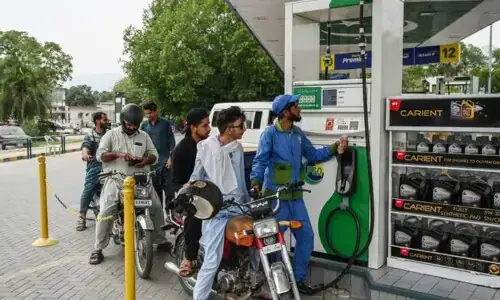
The Petrol Pump Strike Deferred announcement has brought relief to millions of motorists across Pakistan who were concerned about possible fuel shortages. After successful negotiations between the government and the All Pakistan Petroleum Pump Owners Association (APPPOA), the planned nationwide strike has been postponed for two weeks. The decision follows government assurances that the concerns of petroleum dealers will be addressed through further discussions.
Strike Call Postponed After Talks
The APPPOA had earlier announced a countrywide strike after negotiations with the government over dealer margins and the newly introduced daily fuel pricing mechanism failed to produce an agreement. The strike was expected to begin on Wednesday night, raising fears of disruptions in fuel supplies across the country.
However, after another round of discussions, both sides reached a temporary understanding. Petroleum Minister Ali Pervaiz Malik confirmed that the government had assured petroleum dealers that their concerns would be reviewed within the next two weeks, leading the association to suspend its strike plans.
The Petrol Pump Strike Deferred decision ensures that fuel stations will continue normal operations while both parties work toward a long-term solution.
Government Promises to Address Dealer Concerns
One of the key issues raised by petroleum retailers is the dealer margin they receive on fuel sales. Pump owners argue that the current margin is insufficient to cover increasing operational costs, making it difficult to run their businesses sustainably.
According to the petroleum minister, the government will hold consultations with all relevant stakeholders before preparing a summary for the federal cabinet regarding dealer margins.
The government believes that finding a balanced solution is necessary to protect both consumers and fuel retailers. This commitment played a significant role in the Petrol Pump Strike Deferred agreement.
Daily Fuel Pricing Under Review
Another major concern for petroleum retailers is the recently introduced daily fuel pricing mechanism.
The new system adjusts fuel prices according to changes in international oil markets instead of relying solely on periodic revisions. Retailers argued that frequent price changes could create operational challenges and increase uncertainty for businesses.
In response, the government agreed to review the mechanism after two weeks through consultations with representatives of the petroleum sector. Officials stated that feedback from stakeholders would be considered before making any long-term decisions.
This willingness to revisit the policy helped ease tensions and contributed to the Petrol Pump Strike Deferred outcome.
Regional Tensions Affect Global Oil Prices
Speaking during the press conference, Petroleum Minister Ali Pervaiz Malik highlighted the impact of regional geopolitical developments on energy markets.
He noted that rising tensions involving Iran and the United States have created uncertainty in global oil prices, forcing governments worldwide to closely monitor fuel costs.
According to the minister, Pakistan has already spent around Rs100 billion since February to reduce the burden of higher fuel prices on consumers. The government has also introduced subsidy measures aimed at protecting lower-income households from the effects of rising energy costs.
These international developments continue to influence Pakistan’s petroleum pricing decisions.
Greater Transparency for Consumers
The government also announced new measures to improve transparency in fuel pricing.
The Oil and Gas Regulatory Authority (OGRA) will now publish daily fuel prices on its official website along with a detailed price breakdown in Urdu. Officials believe this step will help consumers better understand how petroleum prices are calculated.
Providing accessible pricing information is expected to improve public awareness and reduce confusion whenever fuel prices change.
Relief for Motorists and Businesses
The postponement of the strike has provided immediate relief for transport companies, businesses, and ordinary citizens.
A nationwide shutdown of petrol pumps could have disrupted supply chains, affected public transport, delayed commercial deliveries, and created long queues at fuel stations. By reaching a temporary agreement, both the government and petroleum retailers have avoided a situation that could have negatively impacted economic activity.
Businesses that rely heavily on transportation can now continue operations without the uncertainty that often accompanies fuel supply disruptions.
What Happens Next?
Although the immediate crisis has been avoided, the discussions are far from over.
Over the next two weeks, government officials and representatives of the petroleum retailers will continue negotiations on dealer margins and the future of daily fuel pricing. If a mutually acceptable solution is reached, it could provide greater stability for both fuel retailers and consumers.
However, if negotiations fail to address the association’s concerns, the possibility of industrial action could return.
For now, both sides appear committed to dialogue rather than confrontation.
The Petrol Pump Strike Deferred decision is a positive development for Pakistan’s fuel sector and the broader economy. It prevents immediate disruptions while creating an opportunity for meaningful negotiations between the government and petroleum retailers.
As fuel prices continue to fluctuate due to international market conditions, cooperation between policymakers and industry stakeholders will remain essential. The coming weeks will determine whether lasting solutions can be achieved on dealer margins, pricing mechanisms, and market stability.
For consumers, the postponement means uninterrupted fuel availability, while businesses can continue operating without the fear of an immediate nationwide strike. The focus now shifts toward constructive dialogue that can balance the interests of retailers, the government, and the public.