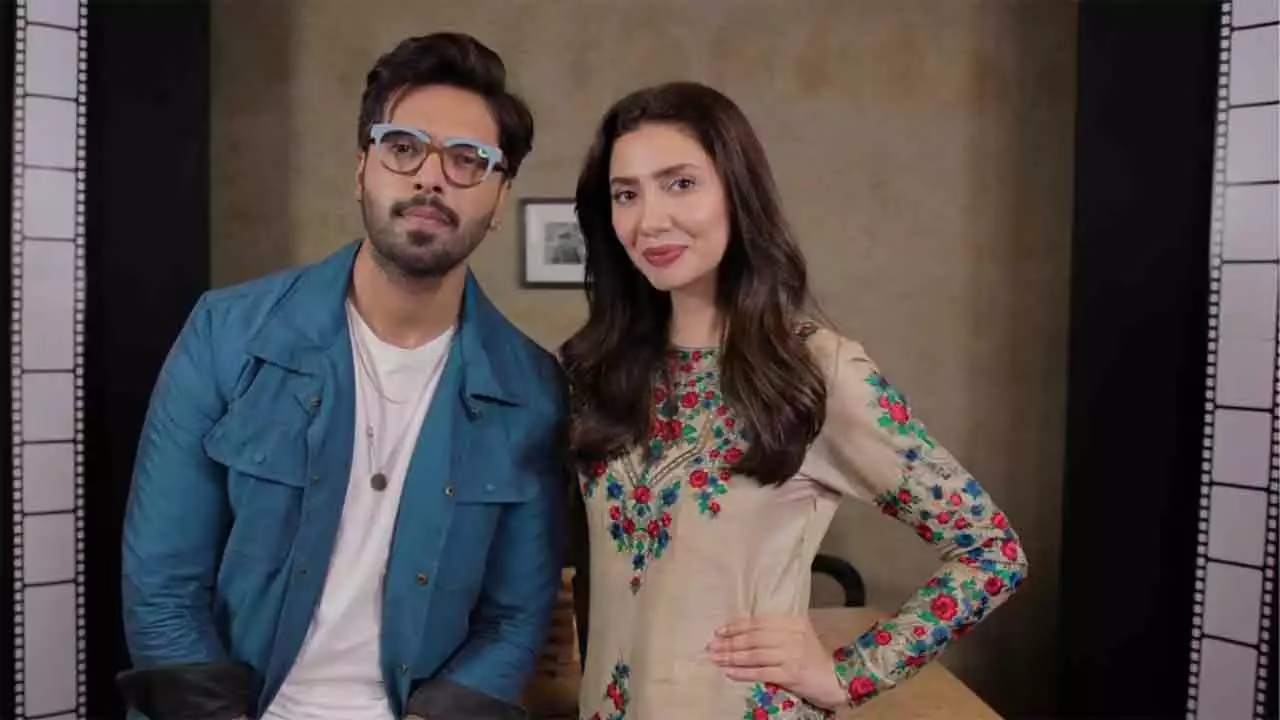
Veteran actress and filmmaker Sangeeta Naeema Butt became a trending topic after Sangeeta shared an unexpected behind-the-scenes story about her upcoming film Makho. During a recent interview, the legendary actress revealed that Naeema Butt was originally selected for an important role in the film but was later replaced following creative disagreements. Her candid remarks have sparked discussion across Pakistan’s entertainment industry, with fans eager to learn what happened during the casting process.
Sangeeta Shares the Untold Story
Sangeeta, one of Pakistan’s most respected actresses and directors, has spent nearly five decades in the entertainment industry. During her interview, she reflected on her long career and discussed several memorable experiences, including the production of Makho.
While talking about the film, she revealed that Naeema Butt had initially been offered a prominent role. However, according to Sangeeta, the collaboration did not continue because of differences over creative decisions.
The veteran filmmaker explained that she prefers to maintain complete control over her projects and expects actors to trust her vision once casting has been finalized.
Why the Casting Changed
According to Sangeeta, Naeema Butt suggested several changes during the early stages of the project. She claimed the actress gave opinions about casting choices and other production decisions that she believed should remain the responsibility of the director.
Sangeeta said she has always maintained a clear distinction between acting and directing. While she appreciates professional discussions, she believes the final creative authority rests with the director.
Rather than allowing disagreements to continue, Sangeeta decided it would be better to part ways professionally. She stated that she asked Naeema Butt to return the advance payment, which the actress reportedly did.
The director emphasized that the separation occurred before filming began, allowing both parties to move forward independently.
A Director’s Perspective
Throughout the interview, Sangeeta highlighted the importance of respecting creative leadership on film sets.
Having worked in Pakistan’s entertainment industry for nearly 50 years, she explained that filmmaking requires discipline, teamwork, and clear decision-making. In her view, too many conflicting opinions can complicate the production process and delay creative progress.
She also reflected on the work ethic during the earlier years of Pakistani cinema, saying actors from her generation generally focused on performing their assigned roles rather than influencing production decisions.
Her comments were presented as a comparison between different professional approaches rather than a personal criticism of younger artists.
Praise for Naeema Butt’s Talent
Despite the disagreement, Sangeeta acknowledged that Naeema Butt has established herself as a capable performer in Pakistan’s television industry.
She noted that the actress has delivered strong performances in drama serials and recognized her growing popularity among viewers.
However, Sangeeta maintained that professionalism on a film set requires every team member to understand and respect their individual responsibilities.
According to her, even talented performers must adapt to the creative structure established by the director.
Industry Reactions
The interview quickly gained attention across social media, where fans and entertainment observers began discussing Sangeeta’s remarks.
Some viewers supported the veteran filmmaker, arguing that directors should have complete authority over casting and creative decisions. They praised Sangeeta for sharing her perspective honestly and admired her decades of experience in the film industry.
Others expressed sympathy for Naeema Butt, suggesting that actors should also be allowed to share creative ideas when they believe those suggestions could improve a project.
As with many entertainment industry discussions, opinions remain divided, with audiences interpreting the situation from different viewpoints.
The Importance of Creative Collaboration
The incident highlights an important aspect of filmmaking: balancing collaboration with leadership.
Modern film productions often encourage actors, writers, and directors to exchange creative ideas during development. At the same time, every successful production requires a clear decision-maker who can guide the project toward completion.
Creative disagreements are common in cinema around the world and do not necessarily reflect personal conflicts. In many cases, professionals simply have different artistic visions.
When those visions cannot be aligned, production teams sometimes choose to move forward with alternative casting decisions.
Sangeeta’s Legacy in Pakistani Cinema
Sangeeta remains one of Pakistan’s most influential entertainment personalities. Over the decades, she has built a remarkable career as both an actress and director, contributing significantly to the country’s film industry.
Her experience gives her a unique perspective on how filmmaking has evolved over the years. Interviews like this provide audiences with rare behind-the-scenes insights into the challenges directors face while developing films.
Whether discussing classic cinema or modern productions, Sangeeta continues to be a respected voice whose opinions generate considerable public interest.
Although Naeema Butt ultimately did not become part of Makho, the film continues to attract attention as audiences look forward to its release. Casting changes are not unusual in the entertainment industry, and many successful films undergo multiple revisions before production begins.
The recent interview has simply offered fans a glimpse into one of those behind-the-scenes decisions.
The Sangeeta Naeema Butt discussion has sparked conversations about professionalism, creative freedom, and the relationship between actors and directors in Pakistan’s entertainment industry. While both artists continue pursuing their respective careers, the story serves as a reminder that filmmaking often involves difficult creative choices.
As Pakistani cinema continues to grow, open discussions about artistic collaboration and professional expectations will likely remain an important part of the industry’s evolution, encouraging both experienced filmmakers and emerging talent to work together while respecting each other’s roles.