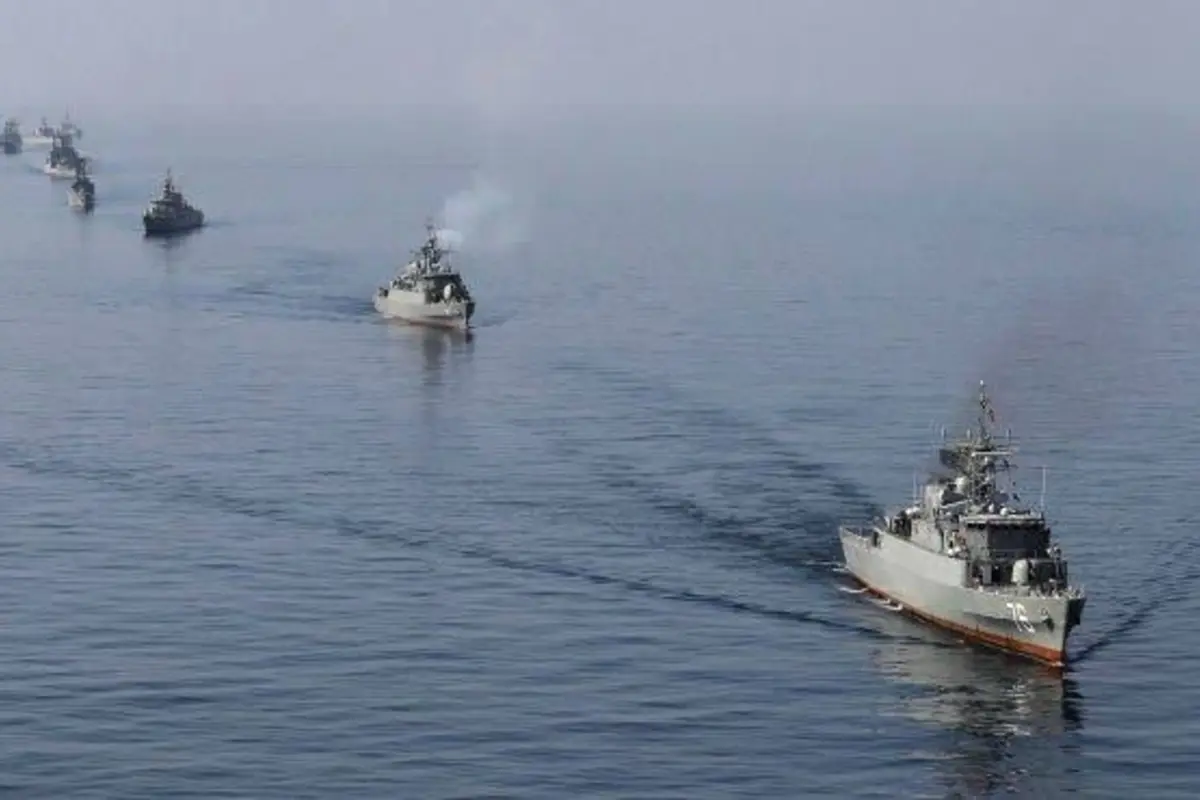
Houthis Naval Blockade has emerged as a major development in the Middle East after Yemen’s Ansar Allah movement announced plans to impose maritime restrictions targeting Saudi interests. Although details about the scope and implementation of the blockade remain limited, the announcement has attracted international attention because of its potential impact on regional security, global shipping routes, and economic stability. As tensions continue to rise, analysts are closely monitoring how this move could influence maritime trade and diplomatic relations across the region.
Houthis Announce Naval Blockade
The Ansar Allah movement, commonly known as the Houthis, announced that it intends to enforce a naval blockade against Saudi Arabia. According to media reports, the group stated that maritime restrictions would target Saudi-related interests, marking another escalation in the long-running conflict between the two sides.
At the time of the announcement, no comprehensive information was provided regarding how the blockade would be implemented or which shipping routes or vessels could be affected. Officials also have not released details about the duration or operational scope of the reported restrictions.
Despite the limited information, the announcement has immediately raised concerns among governments, shipping companies, and security experts.
Growing Regional Tensions
The Houthis Naval Blockade announcement comes during a period of heightened geopolitical tensions across the Middle East.
Over recent years, the region has witnessed multiple security challenges involving maritime routes, missile attacks, drone strikes, and broader regional rivalries. Any disruption to shipping lanes can have consequences that extend far beyond the countries directly involved.
The latest development adds another layer of uncertainty to an already complex regional security environment.
Governments and international organizations are expected to closely monitor developments to assess potential risks to commercial shipping and regional stability.
Why Maritime Security Matters
Maritime trade plays a critical role in the global economy.
The waters surrounding the Arabian Peninsula serve as major transit routes for international commerce, including the transportation of energy supplies, manufactured goods, and essential commodities.
Any restrictions affecting maritime movement could influence:
- International shipping schedules
- Energy transportation
- Global supply chains
- Insurance costs for vessels
- Regional trade operations
Because of these factors, maritime security remains a priority for governments and commercial shipping companies alike.
Possible Economic Impact
Although the full implications of the Houthis Naval Blockade remain uncertain, markets often react quickly to developments affecting important shipping corridors.
Any prolonged disruption could increase transportation costs and place additional pressure on supply chains already facing challenges from global economic uncertainty.
Shipping companies may also be required to evaluate alternative routes or implement additional security measures if risks increase.
Even without direct disruptions, uncertainty alone can influence freight rates, insurance premiums, and investor confidence.
Saudi Arabia’s Strategic Importance
Saudi Arabia remains one of the world’s largest energy producers and an important player in international trade.
Its ports, energy infrastructure, and shipping facilities play a significant role in supporting both regional and global markets.
Any reported maritime restrictions involving Saudi interests naturally attract international attention because of the country’s importance to global energy supplies and commercial trade.
As a result, developments affecting maritime security around Saudi Arabia are often closely monitored by governments, financial markets, and international organizations.
International Attention on the Region
The Middle East has long been regarded as one of the world’s most strategically important regions.
Several major international shipping routes pass through nearby waterways, making regional stability essential for uninterrupted global commerce.
The announcement of a Houthis Naval Blockade is therefore not viewed solely as a regional issue but as a development with broader international implications.
Global stakeholders will likely continue monitoring official statements and security updates before assessing the potential long-term impact.
Diplomatic Efforts Remain Important
Periods of heightened tension often increase the importance of diplomatic engagement.
Regional dialogue, international mediation, and confidence-building measures can help reduce misunderstandings and lower the risk of further escalation.
Many countries continue to support peaceful solutions that encourage stability while protecting international shipping and civilian infrastructure.
Diplomatic efforts remain one of the most effective tools for managing complex regional disputes.
Shipping Industry Watches Closely
Commercial shipping companies constantly evaluate geopolitical developments that may affect maritime operations.
Risk assessments typically include:
- Route security
- Port accessibility
- Insurance requirements
- Vessel safety
- Operational costs
If uncertainty continues, shipping operators may increase precautionary measures until the situation becomes clearer.
For now, many companies are expected to monitor official guidance before making operational changes.
Uncertainty Surrounds Implementation
One of the biggest questions surrounding the Houthis Naval Blockade is how it would actually be enforced.
At present, there is limited publicly available information regarding:
- Which vessels could be affected
- The geographical scope
- Enforcement mechanisms
- Duration of the restrictions
- Possible international responses
Until additional details emerge, much of the discussion remains based on potential scenarios rather than confirmed operational developments.
Future developments will largely depend on how regional stakeholders respond in the coming days and weeks.
Observers will be watching for:
- Official statements from Saudi Arabia
- Responses from international maritime organizations
- Security assessments
- Diplomatic initiatives
- Updates regarding commercial shipping operations
These factors will help determine whether the announcement results in significant operational changes or remains primarily a political statement.
The announcement of a Houthis Naval Blockade marks another important development in the evolving security landscape of the Middle East. While many operational details remain unclear, the declaration has already drawn international attention because of its potential implications for maritime security, regional stability, and global trade.
As governments, shipping companies, and international organizations continue monitoring the situation, diplomatic engagement and careful risk assessment will remain essential. Whether the reported blockade leads to significant disruptions or encourages renewed diplomatic efforts, its announcement highlights the ongoing importance of secure maritime routes in supporting both regional peace and the global economy.