Saudi Yemen Conflict has once again become a major concern in the Middle East as reports of renewed military action and cross-border attacks raise fears of a broader regional crisis. Recent developments have heightened tensions between Saudi Arabia and Yemen’s Houthi movement, with growing international attention focused on the potential consequences for regional stability, global security, and economic interests.
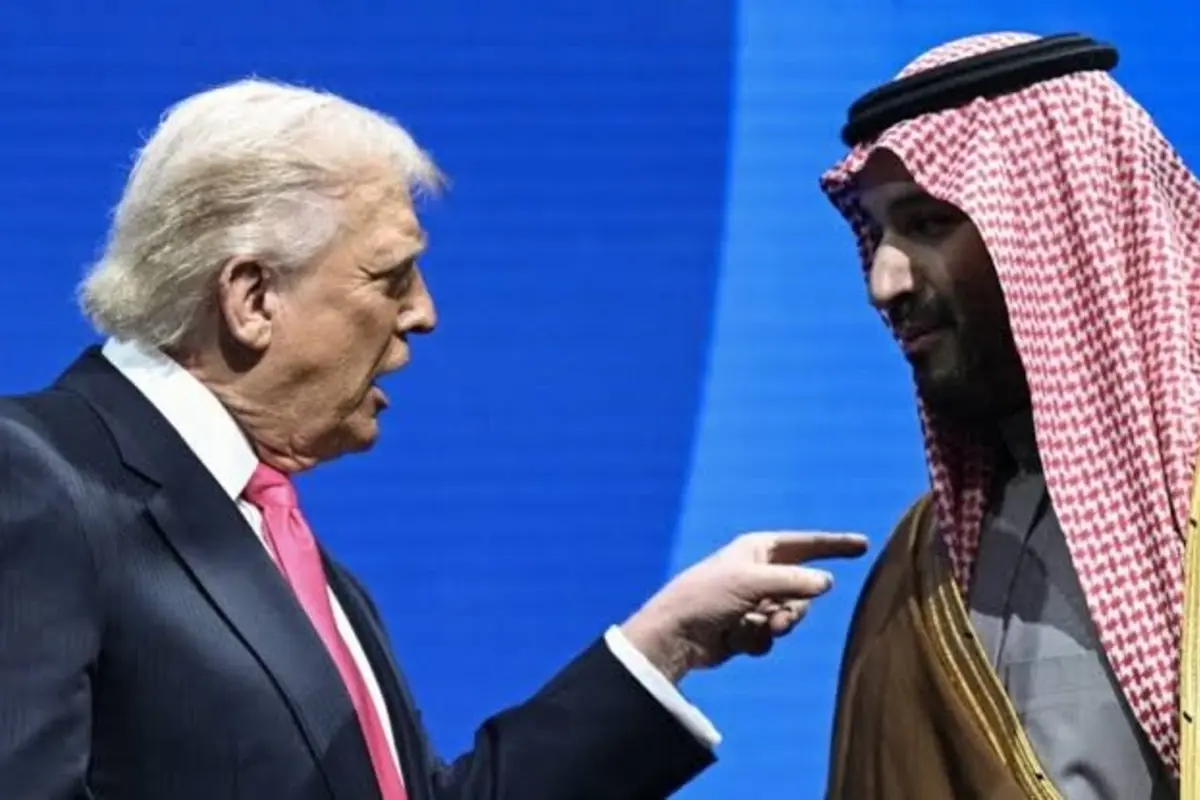
According to recent reports, Saudi Arabia sought diplomatic and military support from the United States before launching a new round of military operations against Houthi targets in Yemen. The reported consultations involved senior officials from both countries and reflected the strategic importance of their longstanding security partnership.
The latest escalation began after Saudi forces carried out airstrikes targeting Sanaa International Airport. In response, the Houthi movement reportedly launched ballistic missiles and drones toward Saudi territory, marking one of the most serious military exchanges since the 2022 ceasefire significantly reduced large-scale fighting.
The renewed Saudi Yemen Conflict has revived concerns that years of relative calm could give way to another prolonged period of instability. Regional analysts warn that continued military action could undermine ongoing diplomatic efforts while increasing humanitarian and economic challenges throughout the region.
The Houthis, officially known as Ansar Allah, emerged as a powerful political and military force in northern Yemen during the political unrest that followed the Arab Spring. In 2014, the group captured Yemen’s capital, Sanaa, leading to a Saudi-led military intervention in 2015.
Over the following years, the conflict evolved into one of the world’s most complex regional crises. The Houthis expanded their military capabilities by developing advanced missile and drone systems, which have been used to target strategic locations inside Saudi Arabia and, at times, the United Arab Emirates.
The prolonged Saudi Yemen Conflict has had devastating humanitarian consequences. Millions of civilians have faced food shortages, displacement, damaged infrastructure, and limited access to healthcare. International organizations have repeatedly described Yemen as one of the world’s most severe humanitarian emergencies.
A United Nations-mediated truce in 2022 brought a significant reduction in major hostilities, offering hope for a lasting political solution. Although sporadic clashes continued, the ceasefire allowed humanitarian aid to reach more communities and reduced cross-border military operations.
However, recent events suggest that those gains may now be under increasing pressure.
Reports indicate that Saudi officials expressed concern following the arrival of an Iranian aircraft at Sanaa International Airport, the first such landing in more than a decade. According to various reports, Saudi Arabia viewed the development as a potential security concern, while Iranian and Houthi officials presented different explanations regarding the purpose of the flight.
Claims that the aircraft transported military equipment and advisers have circulated, although these allegations have not been independently verified. The Houthis have rejected such accusations and warned against any future interference with flights into areas under their control.
The latest developments have further complicated the Saudi Yemen Conflict, particularly given broader regional tensions involving Iran, the United States, and several Gulf countries. Security experts believe that any escalation in Yemen could have consequences extending well beyond its borders.
Commercial aviation has also become an area of concern. Following recent military exchanges, the Houthis reportedly warned international airlines about operating in Saudi airspace while restrictions remained in place around Sanaa Airport. Such warnings have increased concerns regarding civilian air travel and regional transportation security.
Beyond military considerations, the conflict carries significant economic implications. The Gulf region remains one of the world’s most important energy-producing areas, and any increase in instability can influence global oil markets, international trade routes, and investor confidence.
Countries across the region continue to emphasize the importance of diplomacy and restraint. Many governments have called for dialogue aimed at preventing further escalation and encouraging peaceful political solutions rather than prolonged military confrontation.
Pakistan has also expressed concern over the evolving regional situation and emphasized the importance of maintaining peace and stability. Pakistani officials have consistently supported diplomatic engagement as the preferred approach for resolving disputes while cautioning against actions that could further increase geopolitical tensions.
The ongoing Saudi Yemen Conflict demonstrates how interconnected regional security has become. Military developments involving one country can quickly affect neighboring states, international shipping, energy markets, and global diplomatic relations.
Experts argue that long-term peace will require sustained negotiations involving all relevant stakeholders. Military operations may address immediate security concerns, but lasting stability depends on political dialogue, confidence-building measures, and comprehensive agreements that address the underlying causes of the conflict.
International organizations continue encouraging humanitarian assistance alongside diplomatic initiatives. Protecting civilians, restoring essential services, and supporting reconstruction remain vital components of any future peace process.
As regional dynamics continue evolving, the Saudi Yemen Conflict remains one of the Middle East’s most closely watched security challenges. While recent military exchanges have raised concerns about renewed instability, continued diplomatic engagement offers the best opportunity to prevent further escalation. Achieving lasting peace will require cooperation among regional powers, international partners, and all parties directly involved in the conflict to safeguard regional security, economic stability, and the well-being of millions affected by years of violence.