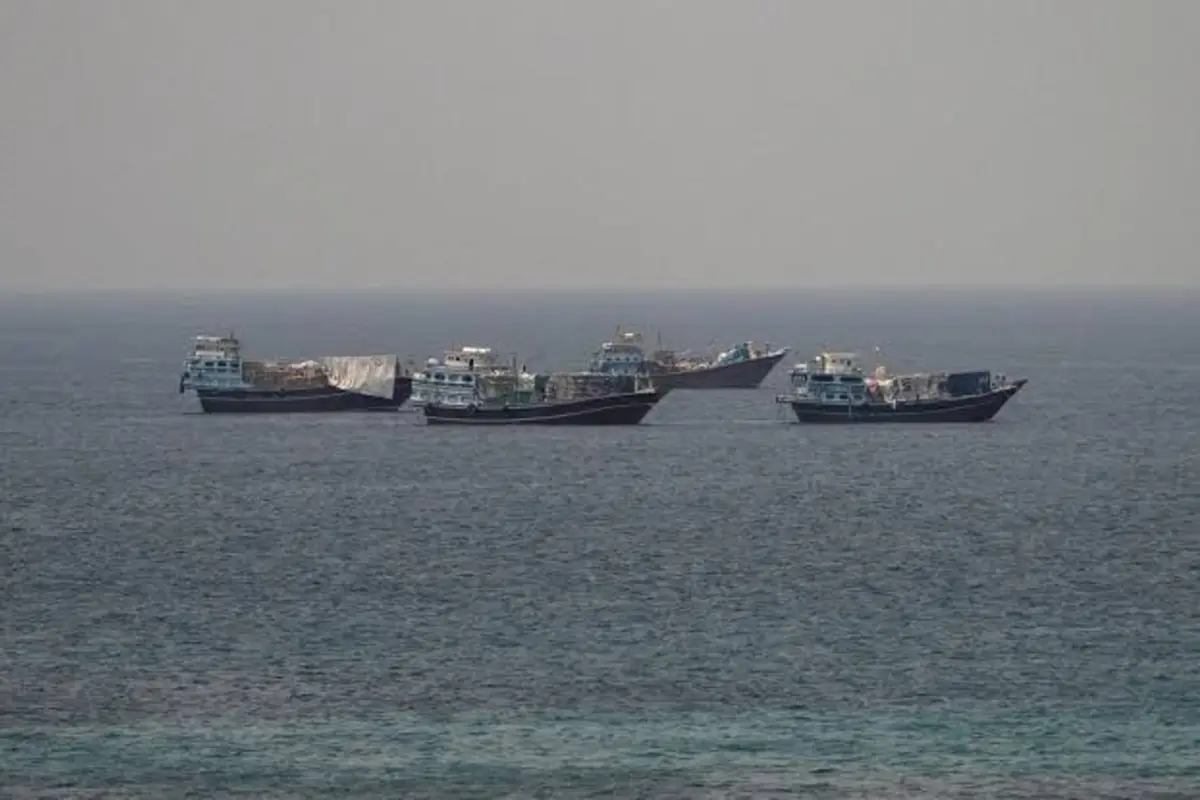
The Iran Fishermen Repatriation process has officially begun after dozens of Iranian fishermen detained by the United Arab Emirates (UAE) Coast Guard started returning home. According to the Iranian embassy in Abu Dhabi, the fishermen were taken into custody after their vessels reportedly drifted into Emirati territorial waters due to GPS and navigation disruptions. The coordinated return of the detained individuals marks an important humanitarian step and reflects ongoing diplomatic cooperation between Iran and the UAE.
The first group of fishermen has already completed their journey back to Iran. Officials confirmed that 14 fishermen returned aboard the vessel Aria, arriving safely through Bastak Port. Their return represents the beginning of a broader repatriation effort involving a total of 55 Iranian fishermen who had been detained earlier this year.
Iranian authorities also announced that another group of 11 fishermen is expected to return soon. They will travel by air from Dubai to Mashhad after receiving the necessary travel documents and completing the required administrative procedures. Officials from both countries continue working together to ensure the remaining fishermen can return home safely.
The Iran Fishermen Repatriation effort follows several months of diplomatic engagement between Iranian and Emirati authorities. The Iranian embassy stated that the repatriation process is being carried out in close coordination with UAE officials, highlighting the importance of communication and cooperation in resolving humanitarian matters involving citizens of both countries.
Most of the detained fishermen come from Iran’s southern provinces of Hormozgan and Sistan and Baluchestan. These coastal regions rely heavily on fishing as a primary source of income, with many families depending on daily fishing activities for their livelihoods. Maritime work in the Persian Gulf is often challenging due to changing weather conditions, heavy commercial traffic, and the need for accurate navigation systems.
According to Iranian officials, the fishermen were detained during March and April after GPS and vessel-tracking systems reportedly experienced disruptions. These navigation problems allegedly caused their boats to unintentionally cross into Emirati waters, where they were intercepted by the UAE Coast Guard.
The situation highlights the growing importance of reliable maritime navigation technology. Modern fishing vessels depend heavily on Global Positioning System (GPS) equipment to determine their location, navigate safely, and avoid crossing international maritime boundaries. When navigation systems malfunction or experience interference, crews may unintentionally enter restricted or foreign waters without realizing it.
The Iran Fishermen Repatriation case also underscores the importance of clearly defined maritime borders and effective communication between neighboring coastal states. Maritime boundaries are closely monitored to protect national sovereignty, fishing rights, and maritime security. Coast guards are responsible for enforcing these boundaries while ensuring that incidents involving civilian fishermen are handled through appropriate legal and diplomatic channels.
Humanitarian considerations remain particularly important in such situations. Fishermen are often working under difficult conditions and may encounter technical problems beyond their control. When navigation failures occur, diplomatic cooperation can play a key role in resolving incidents peacefully while ensuring the safe return of those involved.
The ongoing repatriation process also reflects improving practical cooperation between Iran and the UAE on consular matters. Despite political differences that have existed at various times, both countries continue to engage on issues affecting their citizens, particularly in areas involving humanitarian concerns and maritime safety.
For the families of the detained fishermen, the return of their loved ones brings significant relief after months of uncertainty. Many fishing communities depend on experienced fishermen not only for household income but also for supporting local economies through seafood production and trade. Their safe return allows families to reunite and gradually resume normal life.
The Iran Fishermen Repatriation process also highlights broader concerns regarding maritime safety in busy regional waterways. Increased investment in navigation technology, reliable vessel-tracking systems, and improved communication between maritime authorities can help reduce similar incidents in the future. Strengthening these systems benefits fishermen while also supporting regional security and safe maritime operations.
Experts often recommend that fishing crews receive ongoing navigation training and ensure that onboard equipment is regularly maintained and updated. Reliable GPS systems, backup navigation methods, and emergency communication devices can significantly reduce the risk of accidental border crossings caused by technical failures.
As the remaining fishermen continue returning home, cooperation between diplomatic missions and maritime authorities will remain essential. Successful coordination demonstrates how dialogue and practical problem-solving can help resolve cross-border incidents without unnecessary escalation.
The Iran Fishermen Repatriation effort serves as an example of how humanitarian issues can be addressed through constructive diplomacy and mutual cooperation. While maritime boundary enforcement remains important for all coastal nations, protecting the welfare of civilian fishermen is equally vital. The safe return of those detained offers hope to their families and reinforces the value of continued communication between neighboring countries. Looking ahead, stronger maritime coordination and improved navigation systems may help prevent similar incidents, supporting safer fishing operations and fostering greater regional cooperation across shared waters.