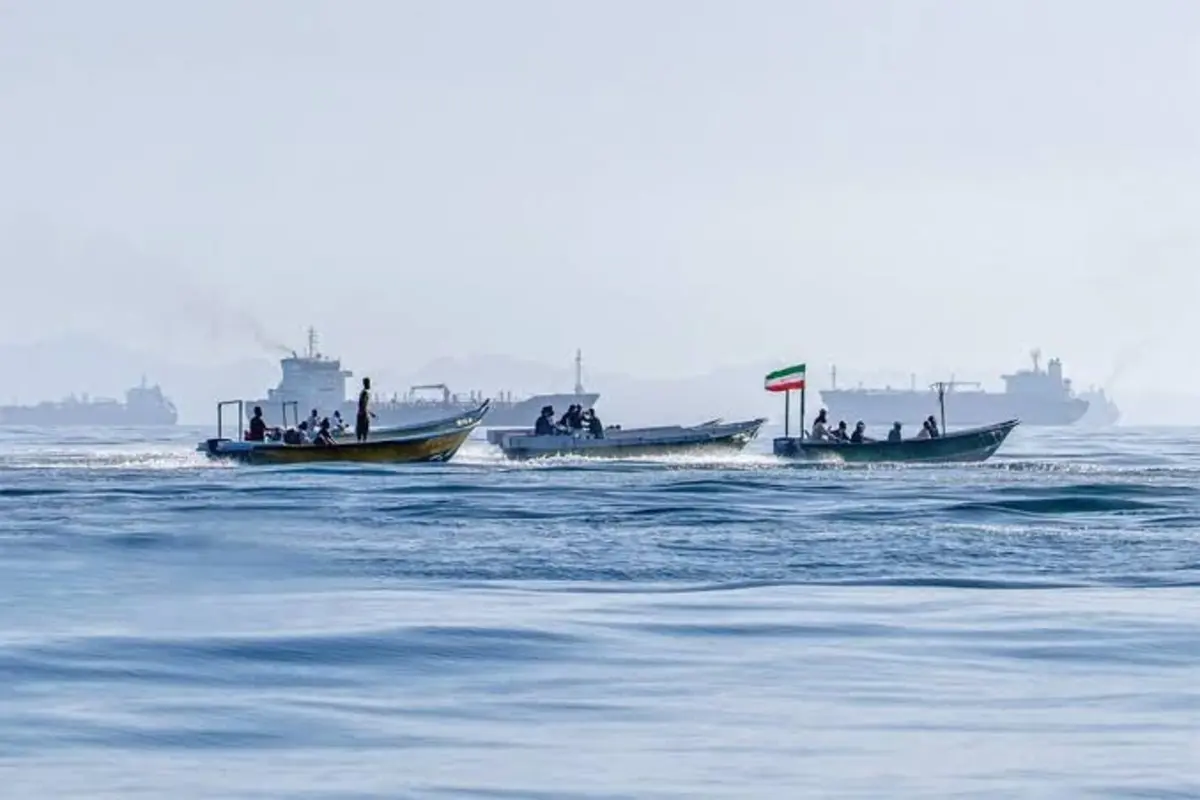
The IRGC Strait of Hormuz warning has drawn international attention after Iran’s Islamic Revolution Guards Corps (IRGC) Navy cautioned against any attempt by the United States to establish independent maritime routes or escort commercial vessels through the strategic waterway. Iranian officials argue that such actions could undermine existing regional security arrangements and increase tensions in one of the world’s most important shipping corridors.
Why the Strait of Hormuz Matters
The Strait of Hormuz is one of the most strategically significant waterways in the world. It connects the Persian Gulf with the Gulf of Oman and the Arabian Sea, making it a vital route for international energy exports.
A substantial portion of the world’s crude oil and liquefied natural gas passes through this narrow passage every day. Any disruption to shipping in the area can affect global energy markets, transportation costs, and international trade.
Because of its economic importance, the Strait of Hormuz has long remained at the center of geopolitical discussions involving regional and global powers.
Iran’s Latest Position
The IRGC Strait of Hormuz warning came after reports suggesting that the United States was considering alternative maritime routes through the southern section of the strait while providing naval escorts for commercial vessels.
In response, the IRGC Navy stated that foreign military forces should not play a role in managing navigation within the waterway. Iranian officials emphasized that regional countries should remain responsible for maintaining maritime security without outside military involvement.
According to the statement, any unilateral action that changes existing navigation arrangements could create unnecessary instability.
Concerns Over Maritime Security
Iran argues that regional cooperation offers the most effective approach to maintaining safe shipping lanes.
Officials believe that introducing additional foreign military operations could complicate existing security mechanisms rather than improve them.
The IRGC Strait of Hormuz warning emphasized that interference in shipping routes or security operations could negatively impact maritime stability and affect countries relying on uninterrupted commercial traffic.
Iran maintains that preserving regional coordination remains essential for ensuring safe navigation.
Strategic Importance for Global Trade
The Strait of Hormuz is not only important for countries in the Middle East but also for major economies worldwide.
Energy-importing nations across Asia, Europe, and other regions depend heavily on oil and gas shipments passing through the waterway.
Any increase in regional tensions often leads to concerns about possible disruptions in supply chains, rising fuel prices, and increased shipping insurance costs.
As a result, developments involving the Strait are closely monitored by governments, shipping companies, and global financial markets.
The Debate Over Foreign Military Presence
One of the key issues highlighted by the IRGC Strait of Hormuz warning is the role of foreign naval forces in regional waters.
Iran has consistently argued that security responsibilities should remain with countries located in the region.
Meanwhile, the United States and several of its allies have maintained naval operations in the area for years, stating that their presence helps ensure freedom of navigation and protects international shipping from potential threats.
These differing approaches continue to shape discussions about maritime security in the Gulf region.
Regional Stability at Stake
Maintaining stability in the Strait of Hormuz remains a shared interest for many countries regardless of political differences.
Even temporary disruptions could have widespread economic consequences by delaying shipments and increasing transportation expenses.
Energy markets often react quickly to news involving the waterway because uncertainty can influence oil prices and investor confidence.
For this reason, diplomatic communication and crisis management remain essential whenever tensions rise.
Economic Impact of Shipping Disruptions
Global trade relies heavily on predictable shipping routes.
If commercial vessels face uncertainty while crossing the Strait of Hormuz, freight costs may increase significantly due to higher insurance premiums and longer transportation routes.
Energy companies, importers, exporters, and consumers could all experience financial effects from prolonged instability.
The IRGC Strait of Hormuz warning therefore carries significance beyond regional politics because it also affects broader international economic interests.
Importance of Diplomatic Solutions
Many international observers continue to encourage dialogue among all parties involved.
Diplomatic engagement remains one of the most effective ways to reduce misunderstandings and prevent unnecessary escalation in strategically sensitive regions.
Open communication between regional governments and international stakeholders can help address security concerns while protecting commercial shipping.
Peaceful negotiations are generally viewed as preferable to military confrontation, particularly in areas critical to global commerce.
Maritime Security and International Law
International maritime law supports the safe movement of commercial vessels through international waterways.
Countries bordering strategic shipping routes also have responsibilities related to maritime safety, environmental protection, and navigation management.
Balancing national security interests with international shipping rights remains one of the ongoing challenges in regions such as the Strait of Hormuz.
Future discussions are likely to focus on finding practical solutions that satisfy both regional security requirements and international commercial needs.
The IRGC Strait of Hormuz warning reflects continuing tensions over maritime security in one of the world’s busiest energy corridors.
Although no immediate operational changes have been confirmed, the statements underscore how sensitive the situation remains.
Governments, shipping companies, and international organizations will likely continue monitoring developments closely while encouraging diplomatic efforts to maintain safe navigation.
The future stability of the Strait of Hormuz will depend on continued dialogue, responsible decision-making, and cooperation among regional and international stakeholders.
The IRGC Strait of Hormuz warning highlights the ongoing debate surrounding maritime security, foreign military presence, and regional cooperation in one of the world’s most strategically important waterways. As global energy supplies and international trade rely heavily on uninterrupted shipping through the Strait of Hormuz, any increase in tensions naturally attracts worldwide attention.
While differing viewpoints remain regarding the best approach to ensuring maritime security, maintaining open communication and pursuing diplomatic solutions will be essential for protecting regional stability and safeguarding global commerce. The Strait of Hormuz will continue to play a crucial role in international trade, making cooperation and peaceful engagement increasingly important in the years ahead.