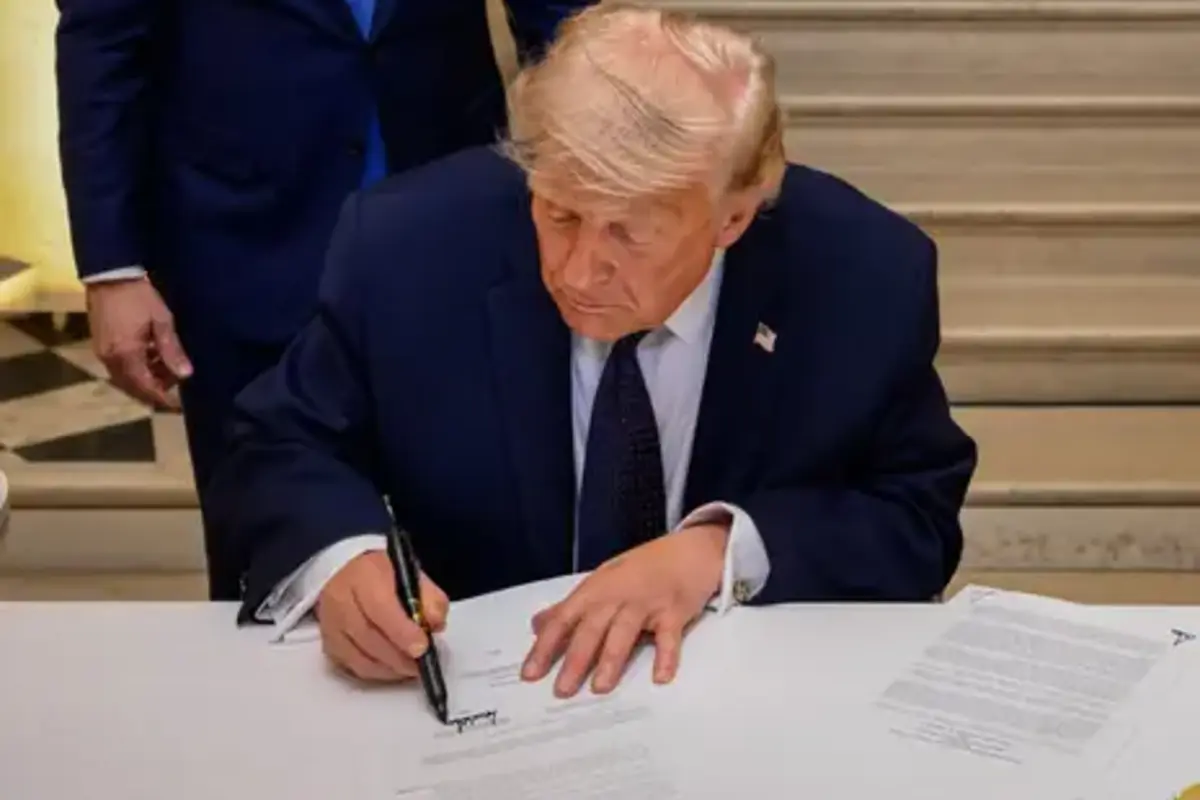
The Iran Nuclear Agreement is once again at the center of global attention after U.S. President Donald Trump announced that Iran has agreed to long-term, high-level inspections of its nuclear facilities. The reported understanding between Washington and Tehran marks a potentially important step toward reducing tensions, improving transparency, and strengthening diplomatic relations in a region that has experienced years of instability.
According to Trump, the new framework includes extensive monitoring of Iran’s nuclear activities, commitments regarding freedom of navigation in the Strait of Hormuz, and the controlled release of funds through sanctions relief. These developments could have significant implications not only for the Middle East but also for global energy markets and international trade.
A New Chapter in U.S.-Iran Relations
The latest Iran Nuclear Agreement comes after months of diplomatic engagement aimed at easing hostilities and finding common ground on key security issues. Relations between the United States and Iran have often been marked by political disagreements, economic sanctions, and concerns over nuclear development.
The reported agreement suggests that both sides are willing to pursue dialogue rather than confrontation. While many details remain subject to further negotiations and implementation, the announcement has generated cautious optimism among diplomats and international observers.
The agreement reflects a broader effort to create a more stable environment in a region where geopolitical tensions have frequently affected global markets and international security.
Nuclear Inspections and Transparency
One of the most significant elements of the Iran Nuclear Agreement is Iran’s reported willingness to allow long-term and high-level inspections of its nuclear facilities.
International monitoring is considered a key component of any nuclear-related agreement because it helps build confidence among participating countries. Inspection mechanisms are designed to verify compliance, promote transparency, and reduce uncertainty regarding nuclear activities.
Supporters of the agreement argue that enhanced inspections could lower the risk of misunderstandings and contribute to a more predictable security environment. Greater transparency may also encourage broader diplomatic cooperation between regional and global powers.
For policymakers, verification measures are often viewed as essential tools for maintaining trust and ensuring that commitments are honored over time.
The Importance of the Strait of Hormuz
Another major component of the agreement involves maritime security in the Strait of Hormuz. This strategic waterway is one of the world’s most important energy routes, handling a significant share of global oil exports.
Under the reported terms of the Iran Nuclear Agreement, Iran has agreed to maintain free navigation through the strait, while the United States has indicated that it will not pursue additional naval blockades.
This commitment is particularly important because disruptions in the Strait of Hormuz can have immediate effects on energy prices, shipping costs, and global supply chains.
Businesses and governments around the world closely monitor developments in this region because stable shipping routes are critical to international commerce.
Humanitarian Relief and Economic Impact
The agreement also includes provisions related to sanctions relief. According to Trump, funds released under the arrangement will be placed in a monitored escrow account and used primarily for humanitarian purposes.
These resources are expected to support essential needs such as food, medicine, and healthcare services. By focusing on humanitarian assistance, the arrangement aims to address economic challenges faced by ordinary citizens while maintaining oversight and accountability.
The economic dimension of the Iran Nuclear Agreement could also contribute to broader stability by reducing financial pressures and encouraging constructive engagement between nations.
Improved economic conditions often create opportunities for cooperation, investment, and development that benefit both regional and international stakeholders.
Potential Benefits for Regional Stability
The Middle East has experienced numerous political and security challenges over the past several decades. Conflicts, sanctions, and diplomatic disputes have often contributed to uncertainty and economic disruption.
Many analysts believe the Iran Nuclear Agreement could help reduce some of these tensions by providing a structured framework for dialogue and cooperation.
If implemented successfully, the agreement may encourage additional diplomatic initiatives involving other countries in the region. It could also support efforts to strengthen economic partnerships and improve communication between governments.
While no single agreement can resolve every challenge, diplomatic progress often creates momentum for further discussions and confidence-building measures.
Challenges Ahead
Despite the positive reactions from some quarters, the agreement still faces important challenges. Successful implementation will require continued cooperation, verification, and political commitment from all parties involved.
Past agreements have demonstrated that long-term success depends not only on signing documents but also on consistent follow-through and mutual trust. Any disagreements regarding inspections, sanctions, or regional security issues could affect progress.
As a result, international observers will closely watch how the provisions of the agreement are implemented in the coming months.
The Iran Nuclear Agreement represents a potentially significant development in international diplomacy. By focusing on nuclear transparency, maritime security, and humanitarian assistance, the framework seeks to address some of the most sensitive issues affecting relations between Iran and the United States.
While challenges remain, the agreement offers an opportunity to reduce tensions, support economic stability, and encourage constructive dialogue. If both sides fulfill their commitments, the arrangement could become an important step toward a more stable and cooperative regional environment.
Policymakers, businesses, and global markets will continue monitoring developments as the next phase of implementation unfolds.