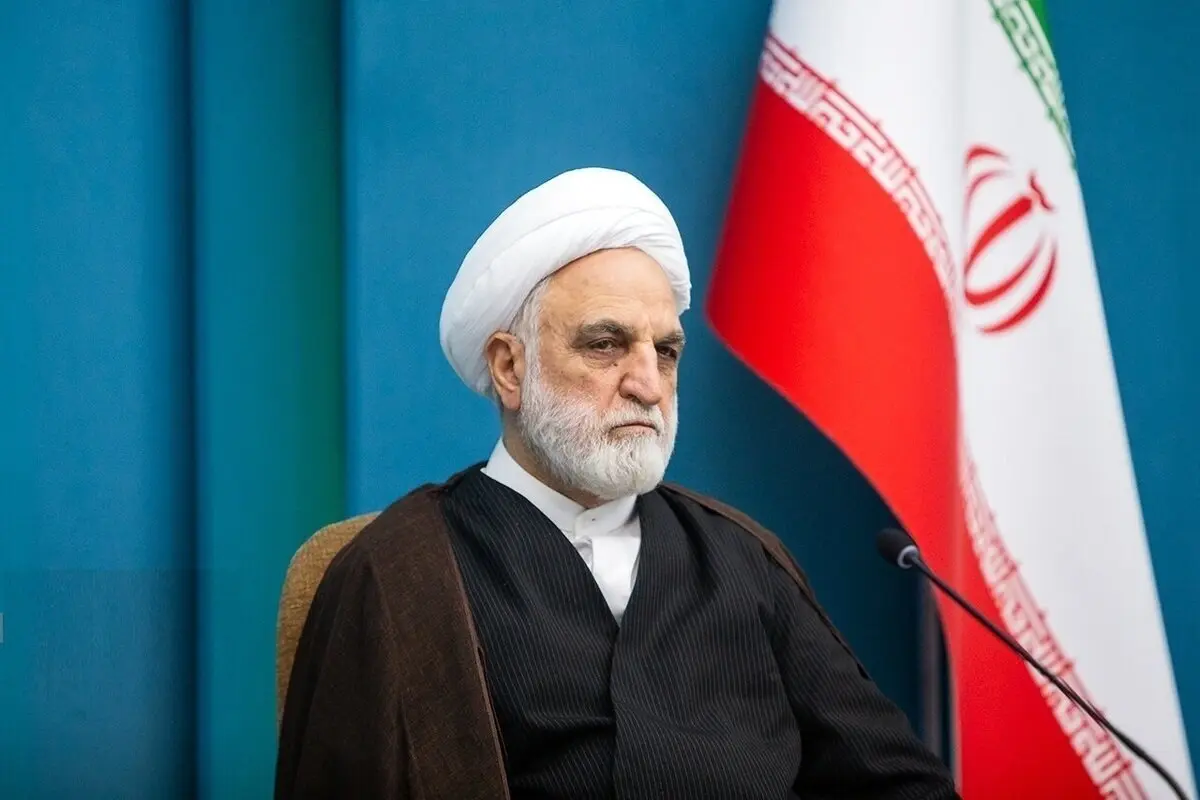
The recently announced Iran-US Agreement has emerged as a significant development in efforts to reduce tensions in the Middle East. While the memorandum of understanding (MoU) between Iran and the United States aims to halt hostilities and create a pathway toward stability, statements from Iranian officials indicate that deep mistrust remains between the two countries.
Iran’s Judiciary Chief, Gholamhossein Mohseni Ejei, recently emphasized that Tehran remains prepared to defend itself if either the United States or Israel fails to honor the commitments outlined in the agreement. His remarks highlight the fragile nature of the current diplomatic progress and underline the challenges that lie ahead for long-term peace.
A New Step Toward De-Escalation
The Iran-US Agreement was introduced after months of heightened tensions and diplomatic efforts involving regional and international stakeholders. The agreement is intended to reduce the risk of further military confrontation while creating an environment where broader discussions can take place.
For many observers, the announcement represents a rare moment of cooperation between two nations whose relationship has been marked by decades of political disputes, sanctions, and regional conflicts.
Although details of the agreement have not been fully disclosed, the primary objective appears to be preventing further escalation and opening channels for continued dialogue.
Diplomatic analysts believe that even a temporary reduction in tensions can provide valuable opportunities for negotiation and confidence-building measures.
Iran’s Position on the Agreement
Despite agreeing to the memorandum, Iranian leaders have made it clear that they remain cautious about the intentions of their adversaries.
Speaking in Tehran, Mohseni Ejei stated that Iran accepted the arrangement to stop what it described as ongoing aggression but would continue to maintain a high level of readiness.
His comments reflected a broader sentiment within Iran’s leadership that agreements alone are not enough to guarantee security.
The Iran-US Agreement may represent progress on paper, but Iranian officials continue to emphasize vigilance and preparedness. They argue that trust must be earned through actions rather than promises.
This cautious approach is rooted in a long history of disputes and disagreements that have shaped relations between Tehran and Washington for decades.
The Challenge of Building Trust
One of the biggest obstacles facing the Iran-US Agreement is the lack of mutual trust.
Political tensions between the two countries have persisted for generations, influenced by sanctions, regional conflicts, military confrontations, and disagreements over strategic policies.
As a result, even when diplomatic breakthroughs occur, skepticism often remains on both sides.
Iranian officials have repeatedly expressed concerns that commitments may not be fully implemented. Similarly, American policymakers have often questioned Iran’s intentions regarding regional security and international obligations.
This environment makes the implementation of any agreement particularly challenging.
Successful diplomacy requires not only signed documents but also consistent actions that demonstrate commitment to shared objectives.
Regional Impact of the Agreement
The significance of the Iran-US Agreement extends beyond the two countries directly involved.
The Middle East remains one of the world’s most strategically important regions, and any reduction in tensions can have positive effects on neighboring countries and global markets.
Regional stability is closely linked to energy supplies, trade routes, and international security. Investors, governments, and businesses often monitor developments between Iran and the United States because of their potential influence on oil prices and economic conditions worldwide.
A successful agreement could encourage broader diplomatic engagement and reduce the likelihood of military confrontations that might disrupt regional stability.
However, experts caution that the path forward remains uncertain and will require sustained commitment from all parties involved.
International Reactions
Many international observers have welcomed efforts aimed at reducing hostilities and promoting dialogue.
Countries around the world generally support diplomatic solutions over military conflict, especially in regions where instability can have global consequences.
The Iran-US Agreement has therefore been viewed as a potentially positive development that could create opportunities for future negotiations on other important issues.
International organizations and diplomatic partners are expected to closely monitor the implementation process to assess whether commitments are being fulfilled.
The success or failure of the agreement may influence future diplomatic initiatives involving not only Iran and the United States but also other regional stakeholders.
What Comes Next?
The coming weeks and months will be critical for determining the effectiveness of the Iran-US Agreement.
Both sides will face pressure to demonstrate that they are committed to the terms of the memorandum and willing to avoid actions that could undermine progress.
Political analysts note that confidence-building measures will be essential. Small steps that show respect for agreed commitments can help create a foundation for broader cooperation in the future.
At the same time, any perceived violation could quickly reignite tensions and damage the fragile progress achieved through diplomacy.
For this reason, international attention remains focused on how the agreement will be implemented and whether it can withstand the challenges posed by longstanding mistrust.
The Iran-US Agreement represents an important diplomatic effort to reduce tensions and prevent further conflict in a region that has experienced significant instability in recent years. While the memorandum offers hope for a more peaceful future, statements from Iranian officials demonstrate that concerns about trust and compliance remain central to the discussion.
The agreement’s ultimate success will depend on the willingness of all parties to honor their commitments and prioritize diplomacy over confrontation. If implemented effectively, it could contribute to greater regional stability and open the door to future dialogue. However, continued vigilance and careful management will be necessary to ensure that this opportunity for peace is not lost.