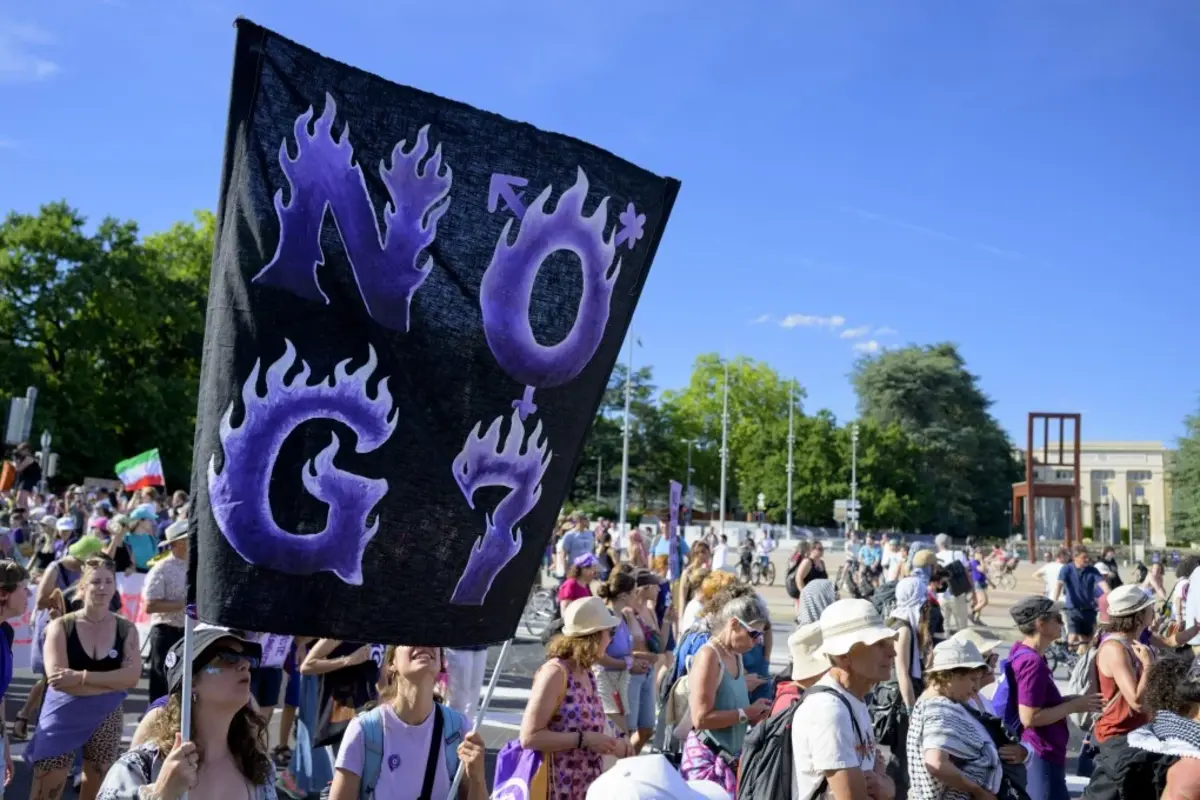
The Geneva Peace Protest is expected to attract significant international attention as citizens, human rights advocates, and civil society organizations prepare to gather in Switzerland to voice their concerns over global conflicts, military interventions, and rising geopolitical tensions. The planned demonstration aims to promote peace, diplomacy, and dialogue while urging world leaders to prioritize conflict resolution over confrontation.
The event comes at a time when international relations remain under intense scrutiny. Activists from various countries have reportedly joined efforts to organize a peaceful demonstration focused on highlighting the humanitarian impact of wars and military actions around the world. Organizers say their primary goal is to encourage governments to seek diplomatic solutions and prevent further escalation of international disputes.
A Growing Global Movement
The upcoming Geneva Peace Protest reflects a broader trend of public engagement in international affairs. Across the world, citizens are becoming increasingly vocal about issues related to armed conflicts, humanitarian crises, and global security.
Human rights organizations, peace groups, student movements, and community associations have reportedly supported the initiative. Many participants believe that public demonstrations can serve as an important platform for expressing concerns about the consequences of war on civilian populations.
Supporters argue that peaceful gatherings allow people from different backgrounds to unite around a common objective: promoting stability, human rights, and international cooperation.
Connection to the G7 Summit
The planned protest coincides with discussions involving leaders of the Group of Seven (G7), which includes the United States, the United Kingdom, Canada, France, Germany, Italy, and Japan. Leaders from other nations are also expected to engage in discussions surrounding economic, security, and global policy matters.
As world leaders gather to address major international challenges, the Geneva Peace Protest seeks to remind policymakers that public opinion plays an important role in shaping international discourse. Demonstrators hope their message will encourage greater attention to diplomatic solutions and peaceful engagement between nations.
Political analysts note that large international gatherings often become focal points for public demonstrations because they provide an opportunity for activists to raise awareness about issues that may otherwise receive limited attention.
Lessons from Previous Demonstrations
Swiss authorities are reportedly taking precautions to ensure public safety during the event. Concerns stem partly from historical incidents in which demonstrations associated with international summits led to disruptions and property damage.
However, organizers have repeatedly emphasized that the Geneva Peace Protest is intended to remain peaceful and focused on constructive dialogue. Human rights advocates argue that the right to peaceful assembly is a fundamental democratic principle that allows citizens to express their views responsibly.
Many observers believe that peaceful demonstrations can contribute positively to public debate when conducted within legal frameworks and with respect for public order.
The Role of Human Rights Activists
Human rights organizations have long played a significant role in drawing attention to humanitarian issues. Through campaigns, petitions, and public events, activists seek to influence policy discussions and advocate for vulnerable populations affected by conflict.
The Geneva Peace Protest is expected to feature messages emphasizing civilian protection, international law, and peaceful conflict resolution. Organizers reportedly plan to present petitions calling for greater efforts to reduce tensions and avoid further military confrontations.
Supporters believe that highlighting humanitarian concerns can encourage governments to consider the broader consequences of political and military decisions.
Public Response and International Interest
Interest in the demonstration has extended beyond Switzerland. News of the planned gathering has generated discussions on social media platforms and among international advocacy networks.
Many participants view the event as an opportunity to express solidarity with communities affected by conflict. Others see it as a chance to encourage world leaders to strengthen diplomatic engagement and international cooperation.
At the same time, opinions remain divided. While supporters praise the initiative as an important expression of democratic participation, critics question the effectiveness of public demonstrations in influencing foreign policy decisions.
Despite differing perspectives, the event underscores the growing public interest in international peace and security issues.
Why Peaceful Dialogue Matters
In an increasingly interconnected world, conflicts often have consequences that extend far beyond national borders. Economic disruptions, migration challenges, humanitarian emergencies, and regional instability can affect multiple countries simultaneously.
Advocates behind the Geneva Peace Protest argue that dialogue, negotiation, and diplomacy remain the most sustainable tools for addressing complex international disputes. They believe that encouraging communication between nations can help reduce tensions and create opportunities for long-term stability.
Many experts agree that while disagreements between countries are inevitable, peaceful engagement offers the best path toward lasting solutions.
The Geneva Peace Protest represents a significant moment for citizens and organizations seeking to promote peace, human rights, and diplomatic solutions to global challenges. As international leaders continue discussions on security and foreign policy, demonstrators hope their voices will contribute to broader conversations about conflict prevention and international cooperation.
Whether viewed as a symbolic gesture or a meaningful platform for advocacy, the protest highlights the enduring importance of public participation in shaping discussions about peace and global stability. In a world facing numerous challenges, calls for dialogue and understanding remain as relevant as ever.