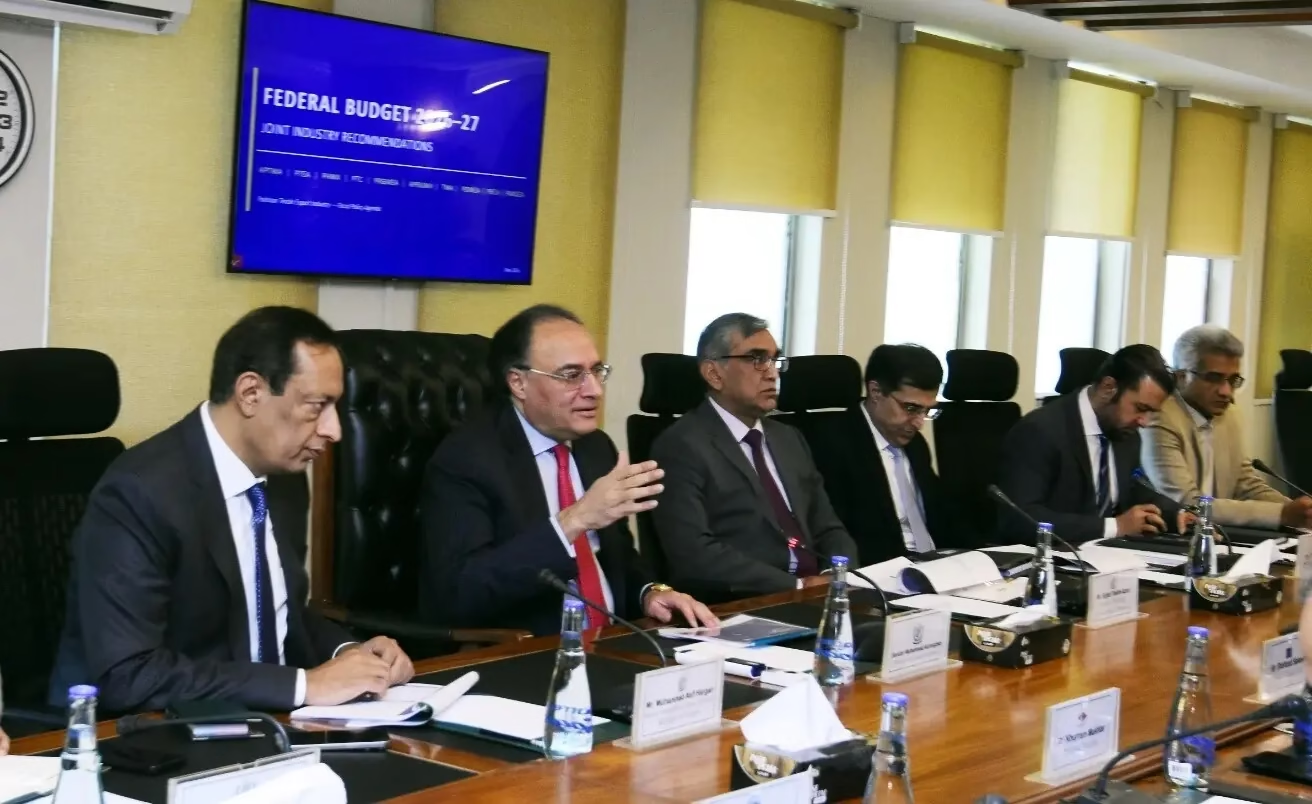
Muhammad Aurangzeb held an important meeting with leading industry stakeholders to discuss the upcoming budget, focusing heavily on reforms for export-driven industries. The discussions around the Pakistan textile sector budget 2026 reforms highlighted the government’s intent to strengthen competitiveness, reduce production costs, and support long-term industrial growth in Pakistan.
The meeting brought together representatives from major textile associations, exporters, chambers, and industrial groups who presented detailed proposals for the Federal Budget 2026–27. Their recommendations centered on improving the business environment, enhancing export performance, and ensuring long-term sustainability of the country’s largest manufacturing sector.
The Pakistan textile sector budget 2026 reforms discussions focused on several key areas, including taxation reforms, energy pricing, liquidity challenges, export facilitation, and industrial modernization. Industry leaders stressed that without structural changes, the sector could struggle to remain competitive in global markets where regional competitors continue to benefit from lower production costs and aggressive policy incentives.
A major concern raised by the delegation was the rising cost of production. Textile exporters argued that high energy tariffs, complex tax procedures, and delayed refund mechanisms have placed significant pressure on cash flows. These issues, they said, limit their ability to invest in modernization and reduce competitiveness in international markets.
During the Pakistan textile sector budget 2026 reforms dialogue, stakeholders also emphasized the importance of improving liquidity management for exporters. They highlighted that timely tax refunds and streamlined financial processes are essential for maintaining operational stability and encouraging reinvestment in the industry.
Another key recommendation was the need for a more predictable and stable policy environment. Business leaders stressed that frequent policy changes create uncertainty, making it difficult for exporters to plan long-term investments. A consistent framework, they argued, would help attract both domestic and foreign investment into the sector.
The delegation also called for modernization of the textile industry through technology upgrades and innovation. They proposed incentives for automation, digitalization, and value-added manufacturing to shift Pakistan’s textile exports from basic products to higher-value goods. This transition is seen as essential for improving profit margins and expanding global market share.
Energy affordability remained one of the most discussed issues in the Pakistan textile sector budget 2026 reforms meeting. Industry representatives urged the government to rationalize electricity and gas tariffs to align them with regional competitors. They argued that high energy costs remain one of the biggest barriers to export growth.
The stakeholders further stressed the importance of ease of doing business reforms. They recommended reducing regulatory burdens, simplifying compliance procedures, and improving coordination between government departments. According to them, such measures would significantly improve efficiency and reduce operational delays.
The textile sector also highlighted the need for export facilitation policies that support small and medium enterprises (SMEs). SMEs play a crucial role in Pakistan’s textile supply chain, and better access to financing, training, and export opportunities could help them expand their contribution to the economy.
During the Pakistan textile sector budget 2026 reforms discussion, it was noted that strengthening the textile industry could have wide-ranging economic benefits. Increased exports would generate foreign exchange, support job creation, and contribute to overall fiscal stability. The sector is already one of the largest employers in the country, making its performance critical for economic growth.
Finance Minister Muhammad Aurangzeb appreciated the detailed input provided by the industry and reaffirmed the government’s commitment to ongoing consultation. He emphasized that economic policymaking should be based on continuous engagement rather than limited pre-budget discussions.
He also highlighted the government’s efforts to promote transparency and documentation through digital monitoring systems. These systems have already been introduced in several sectors, including sugar, cement, beverages, and tobacco, as part of broader reforms aimed at improving revenue collection and reducing inefficiencies.
Aurangzeb invited the textile sector to collaborate on implementing similar digital monitoring mechanisms. He stated that technology-driven systems could improve transparency, ensure fair competition, and strengthen overall governance in the industrial sector.
Some textile representatives acknowledged the importance of transparency and agreed to continue discussions with government authorities. However, they also emphasized that any new systems must consider the complex structure of the textile supply chain to ensure smooth implementation.
The Pakistan textile sector budget 2026 reforms meeting was attended by key industry leaders representing multiple associations and trade bodies. Their unified presentation reflected a strong demand for structural reforms that can support long-term industrial growth.
The discussions around the Pakistan textile sector budget 2026 reforms reflect a critical moment for Pakistan’s export economy. With global competition increasing, both the government and industry appear aligned on the need for reforms that enhance competitiveness, reduce costs, and promote sustainable growth. The outcome of these proposals in the upcoming budget will play a key role in shaping the future direction of Pakistan’s textile industry.