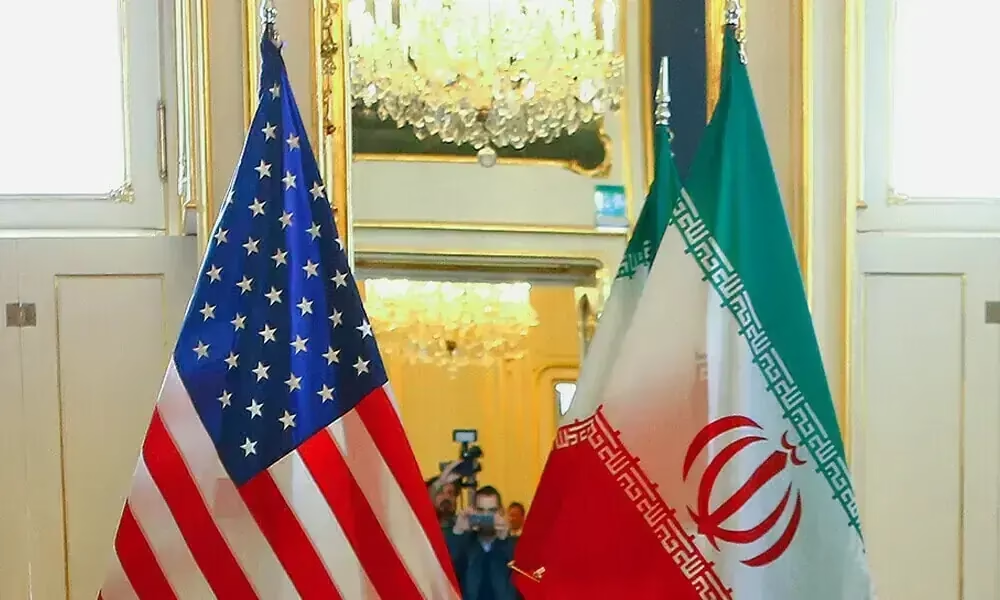
Pakistan is emerging as a key diplomatic bridge in the ongoing tensions between United States and Iran, with reports suggesting that backdoor negotiations could soon resume in Islamabad. The latest developments in the Pakistan-Iran US talks indicate that all sides are exploring a temporary understanding that may open the door for broader peace negotiations and reduce tensions in the region.
According to recent reports, mediators are working on a one-page memorandum of understanding containing 14 points that could serve as the basis for formal discussions. The proposed agreement would initially create a one-month negotiation period, with the possibility of extension if progress is achieved. Although officials from Washington and Tehran have not publicly confirmed the details, diplomatic sources suggest that serious efforts are underway behind closed doors.
The growing importance of the Pakistan-Iran US talks highlights Islamabad’s evolving role in regional diplomacy. Pakistan has historically maintained relations with both Iran and the United States, allowing it to serve as a neutral channel for communication during periods of crisis. Hosting negotiations in Islamabad also signals trust from both sides at a time when direct engagement remains difficult.
One of the major issues expected to dominate the negotiations is Iran’s nuclear program. The United States continues to demand limitations on uranium enrichment, while Iran insists on meaningful sanctions relief before making major concessions. Reports suggest that negotiators are discussing several technical options, including the possible transfer of Iran’s highly enriched uranium stockpiles to another country as part of a future settlement.
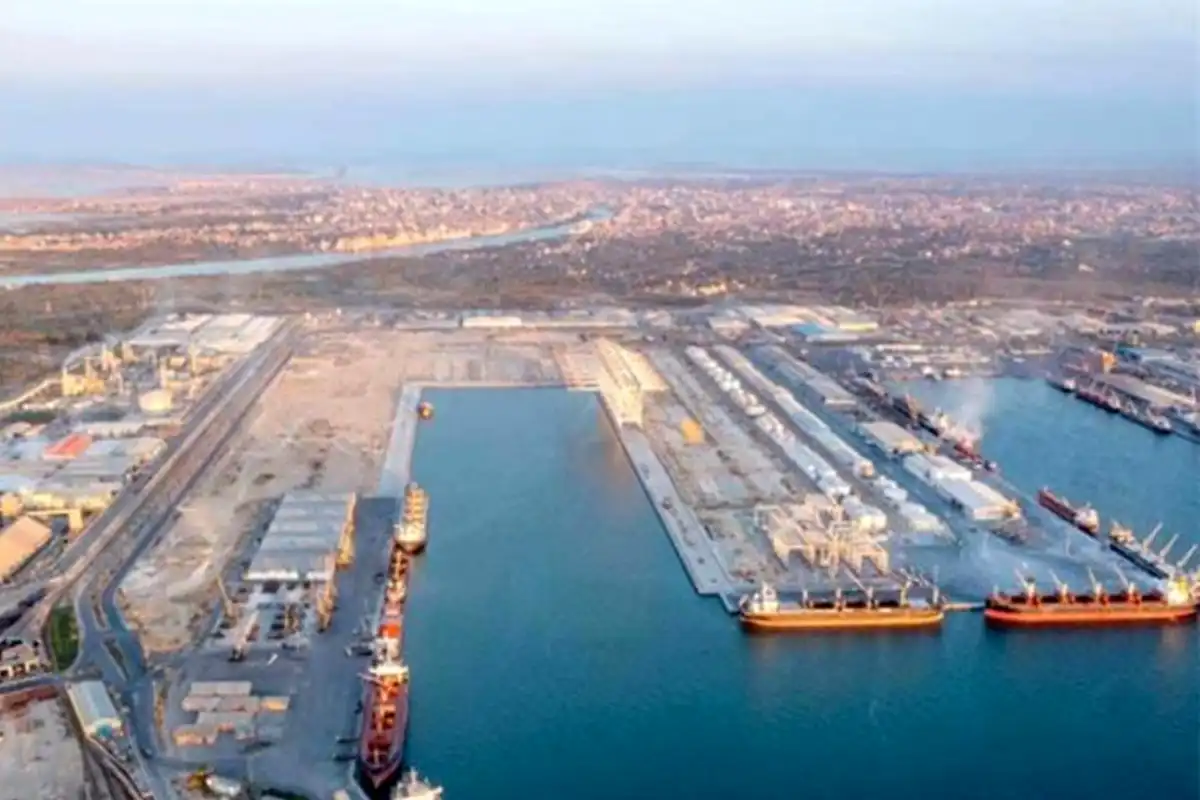
The Pakistan-Iran US talks are also expected to address economic and maritime concerns, particularly the situation in the Strait of Hormuz. The strategic waterway is one of the world’s most important oil shipping routes, and recent instability has raised fears of disruptions to global energy supplies. Tensions increased sharply after military strikes and retaliatory attacks earlier this year affected regional shipping activity and increased uncertainty in international markets.
Under the reported draft framework, Iran may consider easing restrictions and reducing pressure in the Strait of Hormuz in exchange for phased relief on sanctions targeting Iranian ports and trade. Such an arrangement could provide short-term economic breathing space for Tehran while giving Washington an opportunity to stabilize the region without immediate escalation.
Analysts believe the Pakistan-Iran US talks could become a significant diplomatic breakthrough if both sides show flexibility. The current environment remains fragile, and deep mistrust still exists between Tehran and Washington. However, the willingness to continue indirect dialogue suggests that neither side wants a prolonged military confrontation or further economic instability.
Pakistan’s involvement has also attracted international attention because of its strategic location and diplomatic connections. Islamabad has often positioned itself as a supporter of regional stability, and its role in facilitating communication may strengthen its standing in global diplomacy. By helping both countries maintain dialogue, Pakistan could reduce the risk of further escalation in the Middle East.
At the same time, several obstacles remain unresolved. The issue of sanctions relief continues to be one of the biggest challenges in negotiations. Iran seeks broader economic guarantees and access to international markets, while the United States wants stronger commitments regarding nuclear activities and regional security concerns. Without compromise on these issues, even temporary agreements may struggle to survive.
Regional security concerns are expected to remain central throughout the discussions. Beyond nuclear matters, negotiators may address maritime safety, military tensions, and economic restrictions affecting neighboring countries. The outcome of the Pakistan-Iran US talks could influence not only bilateral relations but also the wider geopolitical balance across the Middle East and South Asia.
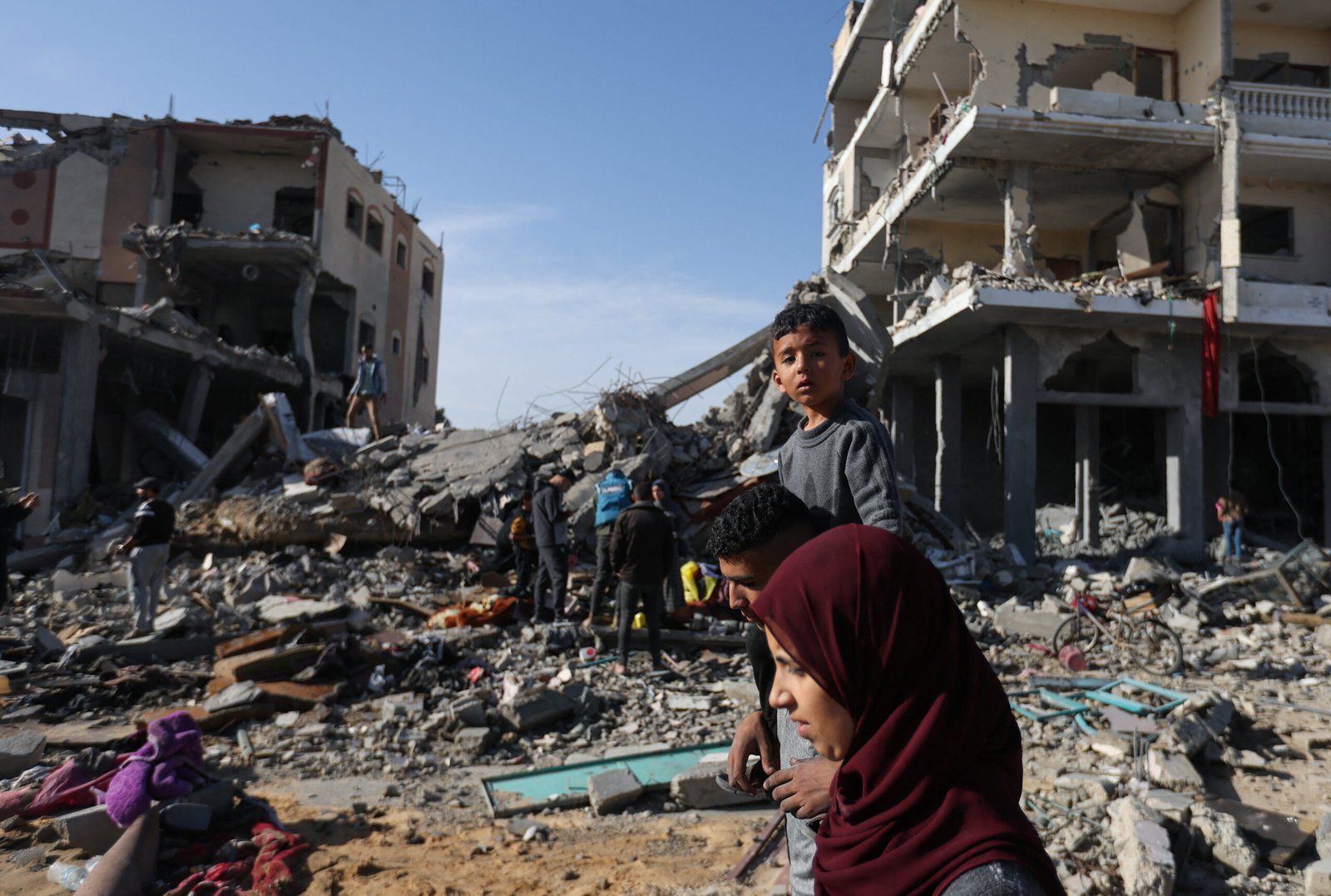
Experts argue that diplomacy remains the only realistic path forward. Military escalation would likely damage regional economies, disrupt energy supplies, and deepen humanitarian concerns. A successful negotiation process, even if limited in scope at first, could create opportunities for longer-term stability and renewed international cooperation.
The coming weeks may prove critical as mediators continue efforts to finalize the proposed framework. If talks resume successfully in Islamabad, it could mark an important step toward reducing hostility between Iran and the United States. While uncertainty remains, the renewed momentum behind the Pakistan-Iran US talks shows that diplomacy still has a chance to prevent further conflict and encourage constructive engagement between the two longtime rivals.